RSS

 Plaid Shirts, Checkerboards, and Bird Food

Lancewood

Nectandra coriacea (Ocotea coriacea)

Lauraceae

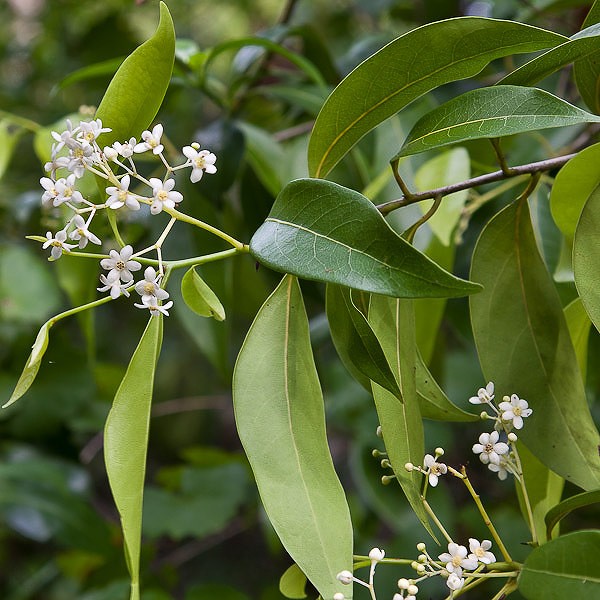
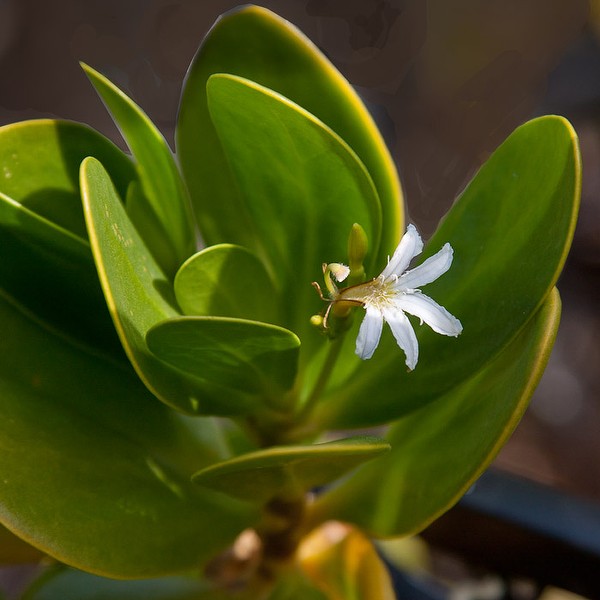
Today John and George were not just taking an idle nature stroll.  We scouted images for our upcoming refurbished online course on Native Plants, visiting two neighboring hammocks near Stuart:  Twin Rivers Park and Rocky Point Hammock Park.  Species diversity makes those two small refuges living plant museums. Lancewood perfumed the air from its small white flowers asking to be today’s featured species.  Or at least to lead the parade.

Lancewood blossoms.  (Today's photos mostly by John Bradford, although some of the red and black photos below are from our older collections and who took what is forgotten.)

Lancewood blossoms. (Today’s photos mostly by John Bradford, although some of the red and black photos below are from our older collections and who took what is forgotten.)


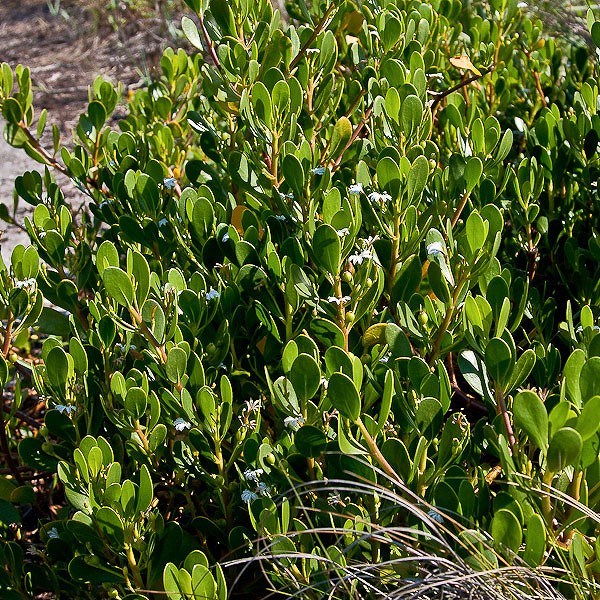
Lancewood is a small tree or shrub in the Cinnamon Family, resembling its disease-suffering cousin Red Bay (Persea borbonia).  Red Bay leaves are grayish and usually hairy (or not) beneath instead of green and hairless, and Red Bay foliage stinks nasty when crushed as opposed to a gentle fragrance from smashed Lancewood.  Lancewood ranges from South Florida down through the Caribbean Basin.   Because I occasionally make primitive archery equipment, or used to, it interested me although perhaps not you, that prehistoric Floridians carved archery bows from the wood.  Few species are good for that.

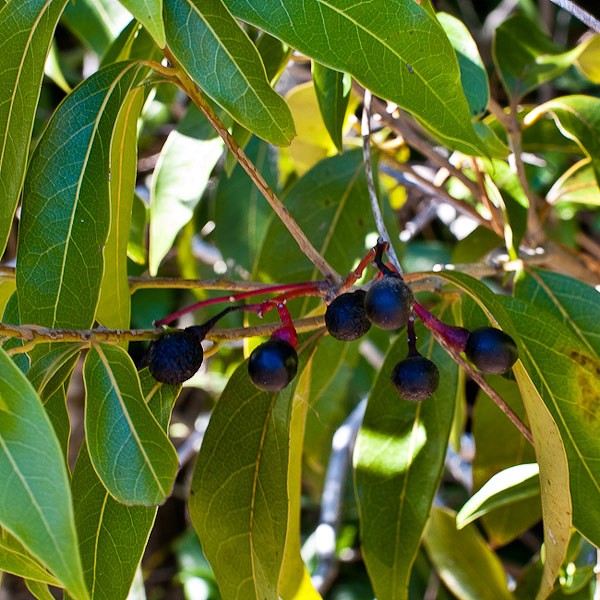
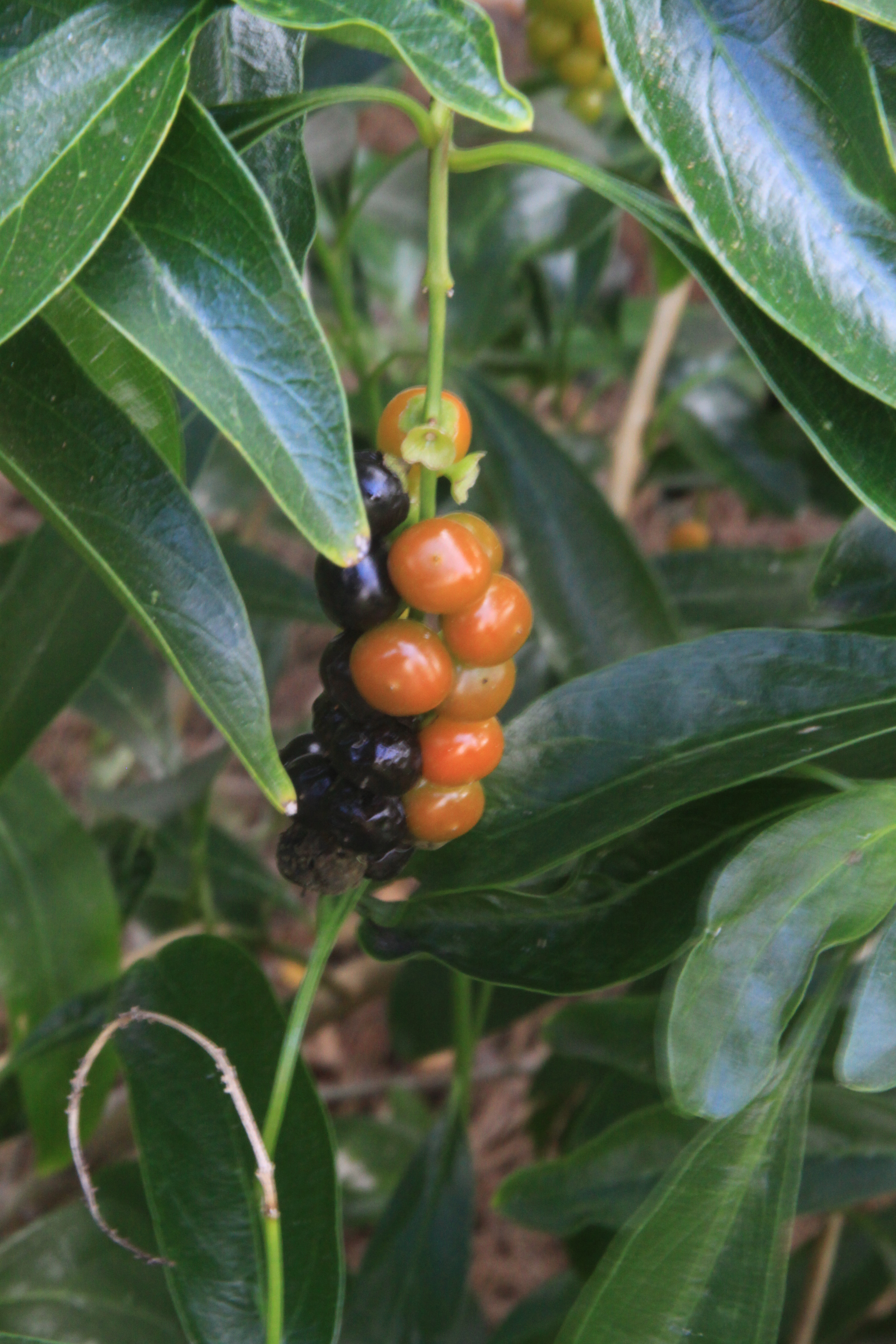
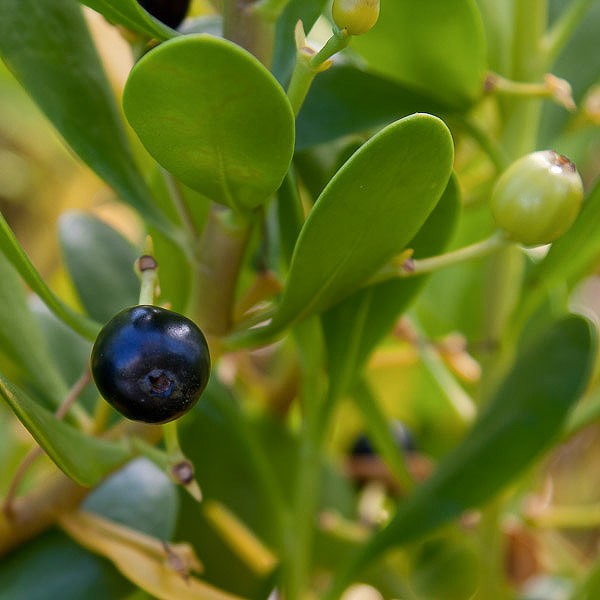
Lancewood fruits on a red "golf tee."

Lancewood fruits on a red “golf tee.”


What Lancewood brought to mind today, although too early for fruits, was its blackish fruit sitting like a tiny golfball on a reddish tee.  This is one of many examples of a pervasive theme in the plant world—fruits and seeds distributed by birds often are compositions in red and black.  The colors can be on different organs depending on the species: variably on fruits, on stalks, or on seeds.  For instance, in pokeweed the berries are black fruits on red stalks.  CLICK  Flowers pollinated by birds are often red too, but this is fruit day.

The world is too full of red-black birdophilic combos to go crazy listing them.  A quick search through our dusty photo collections turned up enough examples to make the point based on local wild species.  If the search were expanded to garden species or to species in other regions we’d be at it all day.  Some pleasing Google-able examples beyond the scope of here and now include the fruits/seeds of some Clerodendrums,  Ochna, and Peonies.

Now please enjoy a little black and red:

blackredelmer


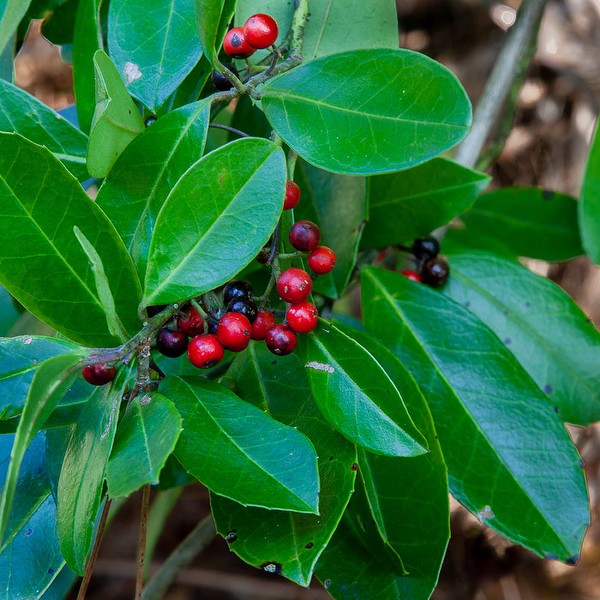
Dahoon Holly.  In many species the red-black combo comes from ripe and unripe fruits.

Dahoon Holly. In many species the red-black combo comes from ripe and unripe fruits.

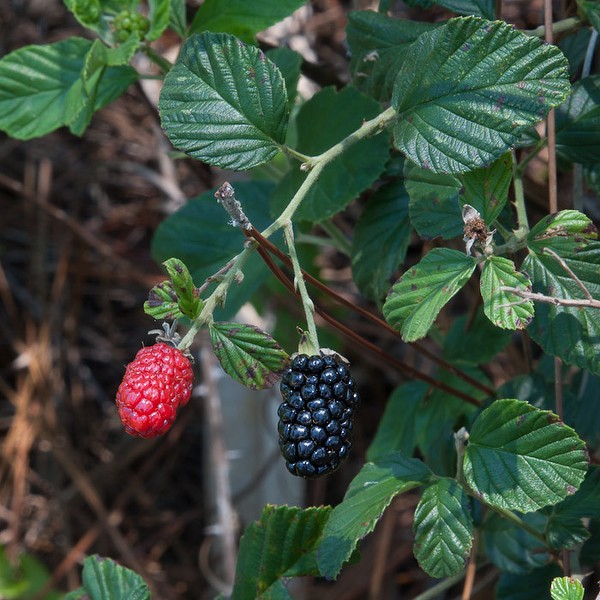
Rubus cuneifolius, unripe and ripe

Rubus cuneifolius, unripe and ripe

Fiddlewood mixed colors

Fiddlewood mixed colors

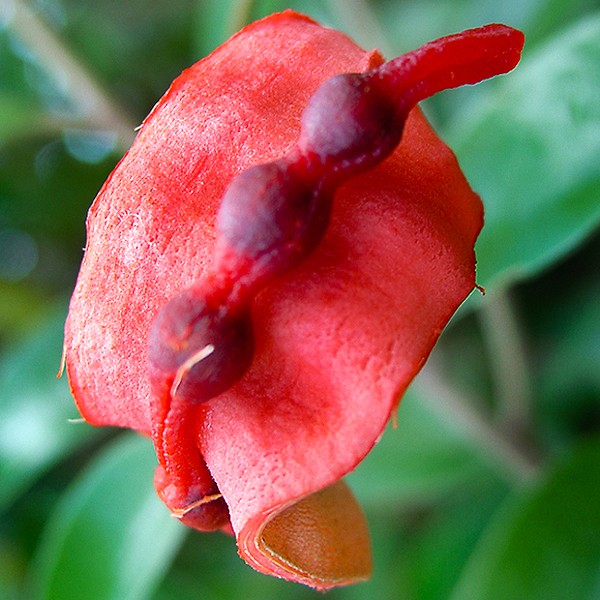
Jamaica Caper. The red inner lining of the pod is a backdrop to black seeds.

Jamaica Caper. The red inner lining of the pod is a backdrop to black seeds.

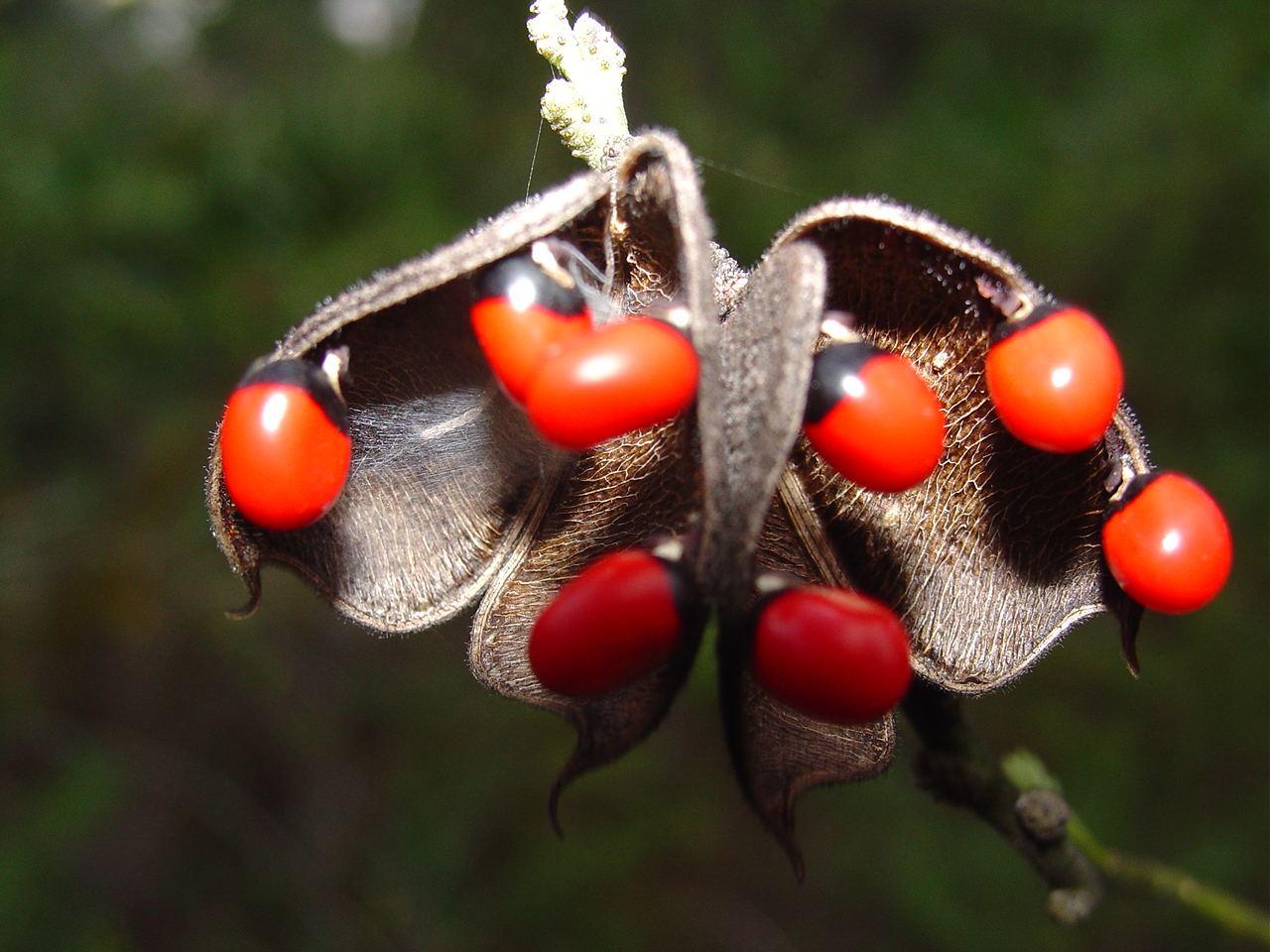
In Rosary Pea, an introduced vine, the seeds are bicolored red and black.

In Rosary Pea, an introduced vine, the seeds are bicolored red and black.


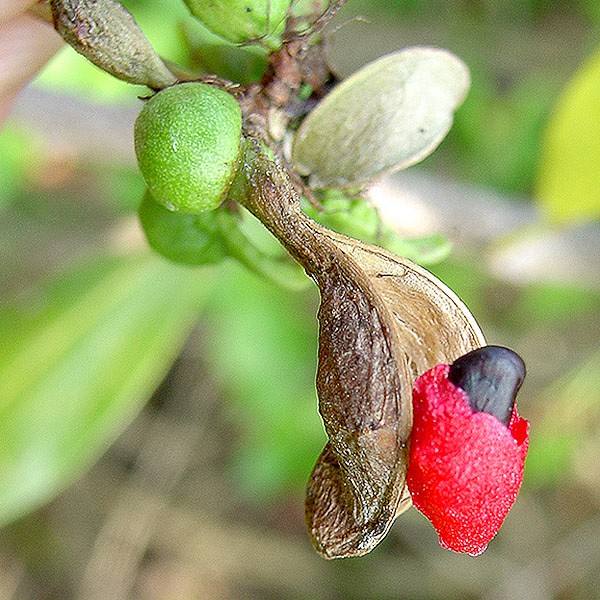
In Blackbead the seed is black with a red partial cloak (called an aril).

In Blackbead the seed is black with a red partial cloak (called an aril).


Hope you enjoyed our visit today.

Hope you enjoyed our visit today.


14 Comments

Posted by on May 30, 2014 in Lancewood, Uncategorized


Tags: , , ,

Stick This in Your Hat and Smoke It

Pipestems, Bogbuttons, Hatpins

Eriocaulon, Syngonanthus, Lachnocaulon

Eriocaulaceae
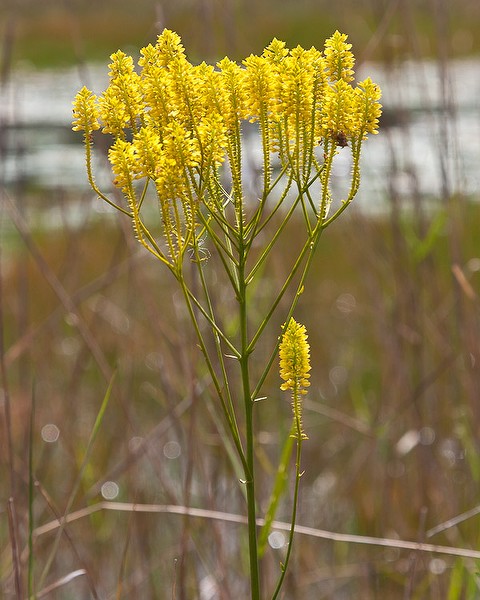
Polygala cymosa was all yellowed-up today (all photos today by John Bradford)

Polygala cymosa was all yellowed-up today (all photos today by John Bradford)


Today under a cloudless sky John and George risked heat exhaustion humping the camera gear required for John’s photo magic down the West Jupiter Wetland Trail near Jupiter, Florida.  It is May and the wet pine savannas and depression ponds are showplaces for the charismatic megaflora:  (pink) Tuberous Grasspink Orchid, (pinker) Bartram’s Rosegentian, Giant White Top Sedges, (white) Sunnybells, (yellow) Colicroot, (yellow) Xyris species, (red) Lanceleaf Milkweed, and the rainbow array of all the Milkwort species.  And wildlife too—a sweaty deer observed us twice, and we passed by a mud turtle laying eggs with turtle-glee in the warm mud.
Eriocaulon compressum. Soft head, rounded bractlets beneath.  All Eriocaulons have rectangular air chambers in the leaf and root.

Eriocaulon compressum. Soft head, rounded bractlets beneath. All Eriocaulons have rectangular air chambers in the leaf and root.

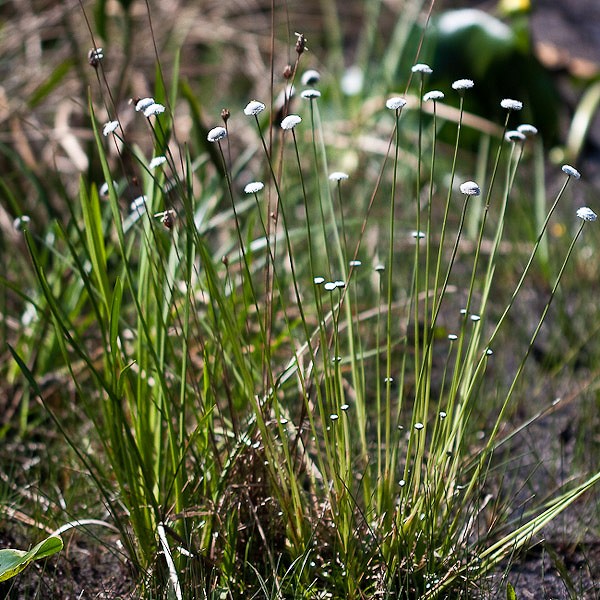
So many flowers!  So little time (before heat exhaustion)!  Let’s go with one of the most curious choices:  the species complex variably known as Pipestems, Bogbuttons, and Hatpins.  It is seldom a purpose of our blog to sort out individual species in a related complex, although help with that is added below as a boring appendix for motivated readers.  Within our usual radius of bioactivity, we’re talking about approximately seven lookalike species.  Anyone who wants to apply the various English names pseudo-precisely to individual species is, in my humble opinion, nuts, as most observers see pretty much one “look.”  An uncommon arbitrary common name has low value.

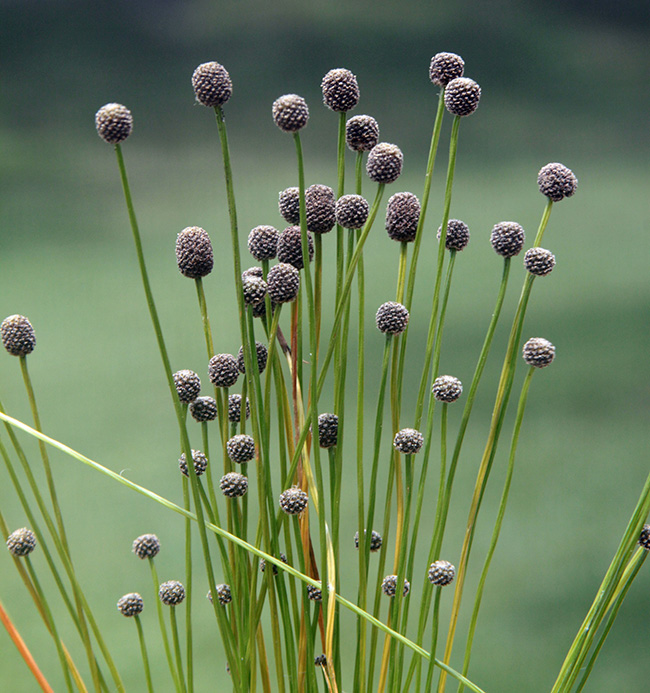
These plants have one of the most sophisticated streamlined looks in the savanna—they look stylish and minimalist like something designed by Apple, the I-Wort.  There are three basic components to the design: 1) a usually white or off-white button on top, 2) a leafless stalk holding the button aloft, and 3) a starburst rosette of tough leaves radiating at ground level from the base of the stalk.
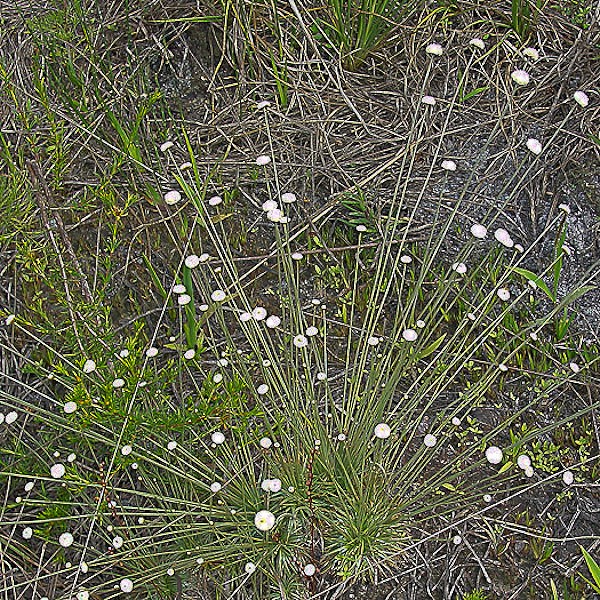
Syngonanthus flavidulus.  The heads have a golden glow beneath, and flower stalk has gland-tipped hairs.

Syngonanthus flavidulus. The heads have a golden glow beneath, and flower stalk has gland-tipped hairs.

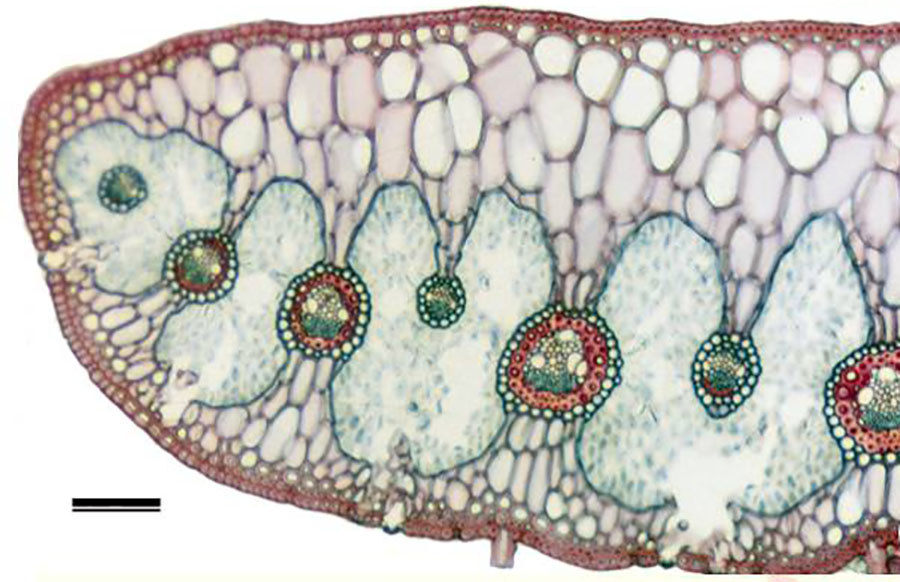
To start at the bottom, the leaves are works of art.  The photo below of a Brazilian Eriocaulaceae by botanist Marcelo Trovó Lopes de Oliveira is elegant.  The photo shows a microscopic cross section of the leaf, that is, a slice, like a slice of salami at Publix.  Here is an indestructible leaf for all occasions.  There’s a tough outer skin made of thick-walled (red) cells covering the photosynthetic layer immediately beneath.  Then comes the good part, with sort of a science fiction cavern look:  vast hollow chambers in the middle of the leaf, with the leaf veins passing though the chambers suspended on one or two narrow vertical braces.   The veins each have their own protective (red) sheath resembling insulation on a wire, and are cushioned, insulated, and air-conditioned from passing fire or beast, and no doubt most importantly blazing sun and heat.  If the plants are inundated or covered by sediments, the leaves have their own ventilation tunnels. Some are so submersion-tolerant as to be aquarium plants. CLICK Look toward the bottom middle of each air chamber—there’s a little tunnel leading to the intake valves, the stomata on the bottoms of the leaves.  They almost seem “engineered.”
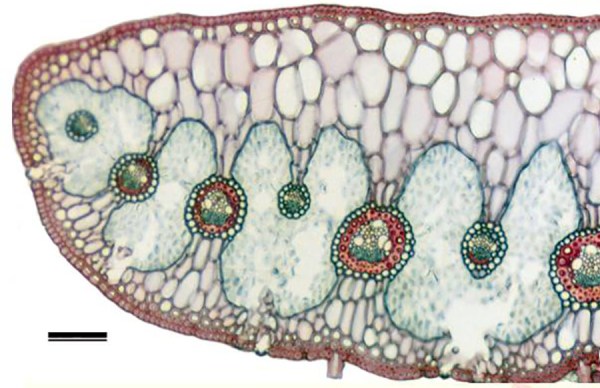
Eriocaulaceae leaf "slice." Microscope view.  Photo credit in text.

Eriocaulaceae leaf “slice.” Microscope view. Photo credit in text.

Now  climb like an ant up the flowering stalk at the center of the plant to the little white button.  That is not a single flower, but rather the Monocot equivalent of the many-tiny-flowered head in the Aster Family.  Beautiful convergent evolution!—two unrelated families “invented” the same flower heads.  And why pack a hundred flowers into a single head resembling a single flower?  Answer (I think):  one insect pollinator visit pollinated 100 flowers instead of just one.  Incidentally, in today’s plants the flowers are mixed male and female in the same heads.

There seem to be indications in the literature of Eriocaulaceae being wind-pollinated.  I (along with most observers) doubt that, at least as being of primary importance, as the flower heads are eye-catchingly attractive, have no apparent wind-pollination adaptations, and most importantly, have glands in the flowers interpretable as nectaries.  The Internet is rich in photos of Pipewort heads with insect visitors.  Here is one of many CLICK.

Although not documented in the U.S., at least one species in Brazil has flower heads able to close up at night, and/or in response to humidity changes.  And speaking of Brazil,  a couple species serve commercially as everlasting cut flowers, which can be dyed in pretty hues, and for their tough wiry stems as “Brazilian Golden Grass.”   Brazilian golden grass is Syngonanthus nitens CLICK.   Visit also CLICK AGAIN.    Whether this heavy harvest is “good” sustainable tropical production, or too destructive remains to be seen, and may depend in part on ecological studies aimed at enhancing the yield.

————————————————————————————————————————————-


Quick and Dirty (and Localized) Identification Guide to Pipestems, Bogbuttons, and Hatpins in our Blog-o-Sphere

(Remember, I’m not even going to try to associate specific English names with individual species…that would be too contrived.)

Eriocaulon

The larger individuals are species of Eriocaulon, mostly Eriocaulon decangulare (2 feet tall, hard flower heads, pointed bracts on the bottoms of the heads) and Eriocaulon compressum (1/2-2’ tall, soft flower head, the bracts rounded).  A third local Eriocaulon is less common, less conspicuous, and less easy to identify.  Eriocaulon ravenalii is usually shorter then about 8 inches, its heads are grayish (vs. bright white), and  small (under 4 mm wide).  This species is confusingly similar tothose below, but it has a giveaway Eriocaulon characteristic:  small cube-shaped or rectangular chambers in the leaves and roots.

Syngonanthus

We have one species of Syngonanthus and its is easy to distinguish:]]]  usually smaller than Eriocaulon, the stalk has glandular hairs, and the button is golden-yellowish beneath.

Lachnocaulon

There are multiple species of Lachnocaulon in Florida.  These are usually the smallest Eriocaulaceae to see locally, but they can overlap in size with Eriocaulon ravenalii or Syngonanthus.    Lachnocaulon species have dark, branched roots, and usually (with important exception, see below)  hairy stalks.   Unlike Syngonantus, the stalk hairs are not tipped with glands.  In our area, three species are particularly likely to cross your path, literally.  The most common, it seems,  is Lachnocaulon anceps.  Its flower heads are fairly globe-shaped, 4-9 mm across, and white or nearly white.  Annoyingly similar is Lachnocaulon minus, which on average is smaller (with overlap), usually has the hairs on the stalk pointing upward (vs. mixed), and has a smaller (4 mm) flower head a dingy brownish color.   A third species, again similar, is Lachnocaulon beyrichyanum.  Its flower head color varies, and is in the size range of L. minus,  from which L. beyrichyanum differs easily by having hairless (or nearly so) flower stalks.  Lachnocaulon engleri has chcolate-brown heads longer then broad, and hairless or nearly hairless stalks. Good luck!
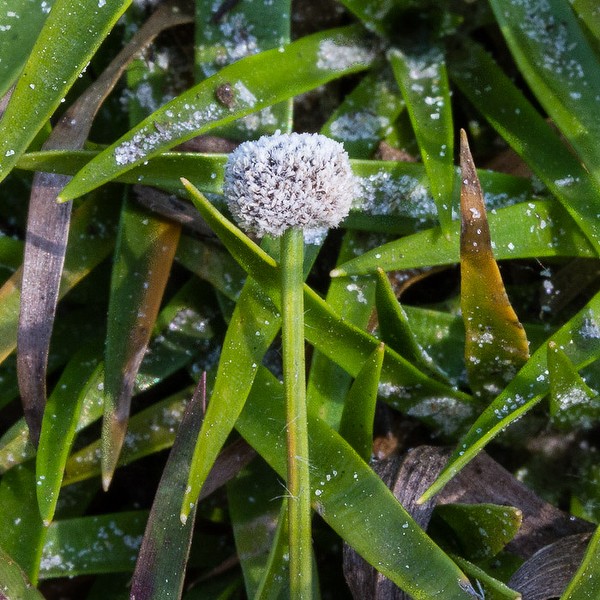
Lachnocaulon anceps.  White head.  Bigger then other local Lachnocaulon species. Disorganized hairs on stalk.

Lachnocaulon anceps. White head. Bigger then other local Lachnocaulon species. Disorganized hairs on stalk.
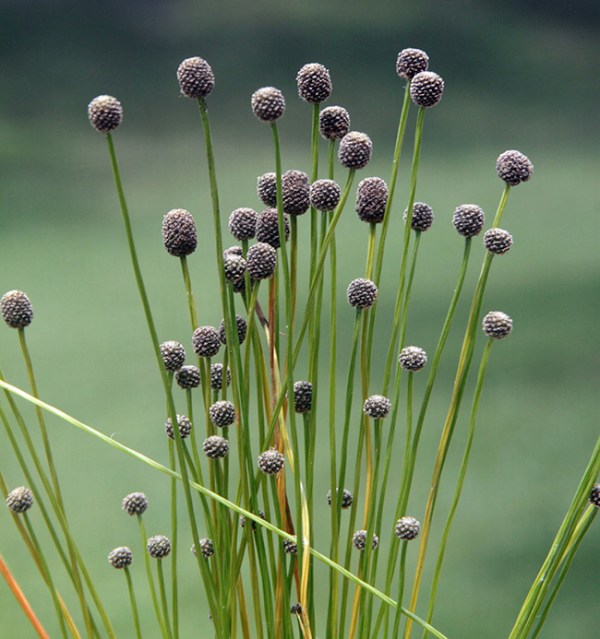
Lachnocaulon engleri.   The stalks are bare, and the elongate heads are chocolate.

Lachnocaulon engleri. The stalks are bare, and the elongate heads are chocolate.

 
10 Comments

Posted by on May 23, 2014 in Bogbutton, Hatpin, Pipestem


Tags: , , , , , ,

Inkberry

Inkberry

Scaevola plumieri

Goodeniaceae

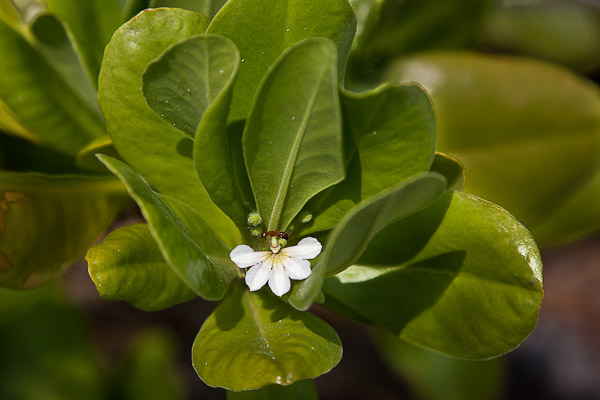
John and George traipsed the dunes on Hutchinson Island near Jensen Beach this overcast morning.  All the beach and dune species were alive with fragrance and color:  Baybean, Beach Sunflower, Coughbush (Ernodea), Railroad Vine, Sea Rocket, Spanish Bayonets, White Indigoberry perfumed like its cousin Gardenia, and more.  One of the showier showoffs was Inkberry,  Scaevola plumieri, a low sprawling shrub of low seaside dunes.

Inkberry on the dunes. All photos today by John Bradford.

Inkberry on the dunes. All photos today by John Bradford.


What’s it doing here!? The vast majority of the 90 species of Scaevola are Australian, with just two species dispersed widely.  An Australian Scaevola encountered in Florida is the garden flower known as Fanflower, Scaevola aemula, and its hybrid derivatives.   We’ll leave Fanflower and it cultivars  to the garden blogs.

Inkberry flower

Inkberry flower

The two widely dispersed species are our own native Scaevola plumieri around the tropical Atlantic from Florida through the Caribbean to Africa, and into the Indian Ocean on Sri Lanka where it reappeared recently after decades of presumed extinction.  The fleshy purple-black inky fruits seem to owe their transoceanic dispersal to flotation and to sea birds.   The lopsided split flowers remind me of Lobelias.

Inky inkberry

Inky inkberry

The other widespread species, Scaevola sericea (aka S taccada), prefers the tropical Pacific, including Hawaii where it is native and important in landscaping.  Scaevola taccada meets S. plumieri in the Indian Ocean.

And the two meet again in Florida where S. taccada (Beach Naupaka) is an invasive exotic escaped probably from landscaping.  It fruits are white, as opposed to the black Inkberries, and its leaves are curled as opposed to the flat leaf blades in Inkberry    Fruits of Beach Naupaka reportedly last at least a year in seawater.

Beach Naupaka, the invasive exotic species, with curled leaves.

Beach Naupaka, the invasive exotic species, with curled leaves.

How plants get their names is always fun to know, especially when rooted in drama.  Scaevola flowers look like half is missing, as I might after removal of an arm.  The original Scaevola (Latin left-handed) was a Roman originally named Gaius Mucius sentenced to death by the nasty Etruscan invaders around 600 BC.  To show a little contempt of court, Gaius thrust his right hand impudently into flames.  Ouch!  And he went down in history as the world’s first famous southpaw.

You may experience a burning sensation

You may experience a burning sensation

 
20 Comments

Posted by on May 16, 2014 in Inkberry


Tags: ,

Come Eat My Pollen, Breed in My Chamber, Says the Arum to the Fly

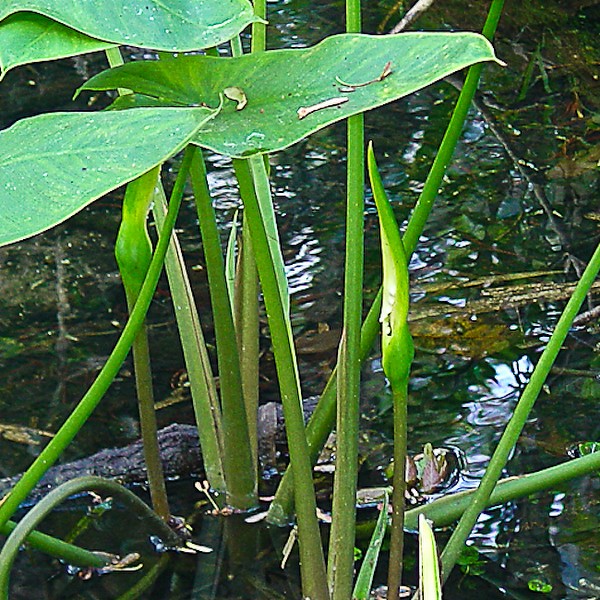
Arrow Arum

Peltandra virginica

Araceae

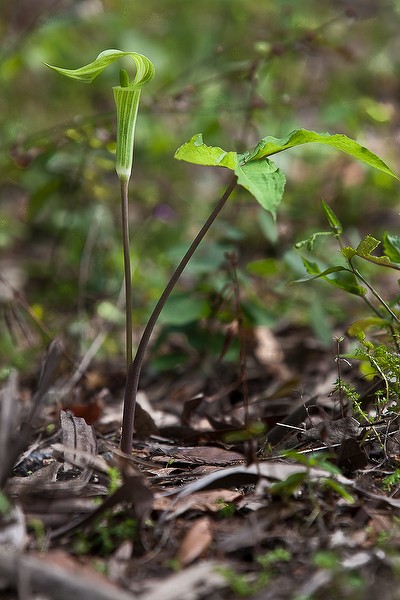
Calendar events prevented John and George’s usual Friday field trip this week, although my son Evan accompanied me to a swampy visit yesterday.  In the Realm of Squishy Shoes abide members of the Aroid Family, the Araceae.    Anyone who has ever attended a wedding reception knows this plant family from the centerpieces with Anthuriums and Calla Lilies.  Gardeners know their Araceae, including Aglaonemas, Alocasias,  Amorphophallus, Caladiums, Colocasias, Dumbcanes,  Monsteras, Philodendrons, Pothos, and more.  Although these plants are mostly toxic, hungry readers may think of Ceriman, Dasheen, Malanga Root, and Taro.  Wildflower buffs favor Golden Clubs and Jack-in-the-Pulpit.  You may be saying by now, oh yes, the plants with a spike inflorescence (the spadix) that looks like a possum tail, associated with a specialized leaf (the spathe).  Or maybe you did not say that.  The spadix is covered with tiny flowers, usually female (fruit-producing) flowers toward the base and male (pollen-producing) flowers toward the top above the female flowers.  Those bumps on the spadix are individual flowers.

Jack is the spadix. The pulpit is the spathe.  All photos today by John Bradford.

Jack is the spadix. The pulpit is the spathe. All photos today by John Bradford.

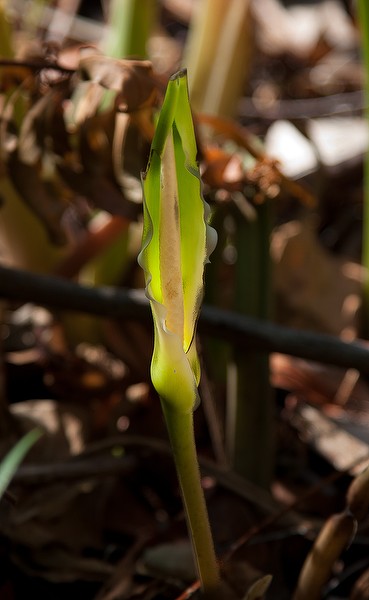
Arrow-Arum is a wetland resident around here, and is widespread from Hudson Bay to Tijuana.  Despite almost certain poisonous contents, Native Americans probably used parts of the plant as a starchy staple in some places.  The leaves look like arrowheads, and the flower-bearing units in the shade of the leaves are the standard Aroid spathe-spadix combo.  The Arrow Arum spathe wraps tightly around the spadix.  The female flowers on the base of the spadix are wrapped a deep dark chamber formed by the base of the spathe.  The male flowers on the more-exposed upper portion of the spadix open well after the female flowers.  Remember that, it’s important.  The spadix is functionally female and pollen-receptive before it becomes male and pollen-producing.

The spathe, with spadix enclosed, is the pointy object right of center.

The spathe, with spadix enclosed, is the pointy object right of center.

And here is why:  the reproductive cycle of the Arum, progressing from the floral bud phase through the female flower phase and on to the male flower phase, sets the behavioral agenda for the Arum’s chief pollinator.  The remarkable dance between Arrow Arum and its pollinator fly Elachiptera formosa came to light in the 1990s thanks to botanist Joseph Patt and collaborators.

(For a photo of a  little Arrow Arum fly see http://bugguide.net/node/view/878136/bgpage.  Note that the fly in that photo is labeled Elachiptera costata.  I do not know if that identification reflects an error for E. formosa, or if  the two fly names are synonyms (unlikely), or if more than one species of Elachiptera visits.)

[Added post-posting.  John caught the fly in the act.  See his Trail to the River.  Nice Bobcat there too.]

To continue the story:  As the spathe and spadix mature, two main fragrances come forth.  Call them Fragrance A and Fragrance B.  Fragrance A smells like a sweet floral perfume, whereas Fragrance B is musky.  During the Arum’s floral bud stage, A and B come forth roughly equally mixed.  As maturation progresses to the floral female phase, the Fragrance A/B ratio shifts in favor of B.  Then later as the floral male phase arrives, fragrance production becomes almost 100% Fragrance B.  In short, as the spathe and spadix mature the fragrance balance shifts from about 50-50 A/B to almost all Fragrance B.

Spathe and spadix.  Male region of spadix exposed.  Female region at the base of the spadix, the spathe wrapped around.

Spathe and spadix. Male region of spadix exposed. Female region at the base of the spadix, the spathe wrapped around.

The fly responds to these perfume ratios as follows:

When Fragrances A and B are roughly equal (floral bud stage), female flies enter the hollow spathe basal chamber and lay eggs among the immature female flower buds.

Subsequently, as the fragrance balance shifts to more B than A (as the female flowers mature), the flies continue to visit but lay fewer eggs.  Fly visitation at this female-flower stage is critical.  The receptive female flowers require pollen brushing off of the fly visitors, even if the insects quit laying eggs.

And later still, as the fragrance balance tips to almost 100% Fragrance B (as the male flowers open to release pollen),  the flies continue coming, but something has changed…they are not laying eggs or dropping off pollen; now they feed.   They eat some of the newly produced pollen, then fly away carrying uneaten pollen on their bodies to a different Arum to drop off pollen, completing their service to our plant.

The beauty of it all is that the Arum orchestrates the fly’s life cycle to serve its own reproductive cycle.  And the fly does okay too: getting a brood chamber as well as a cafeteria.

What becomes of the fly larvae hatching from those eggs we left among the female flowers?  The maggots mature as the spathe and spadix mature.  The larvae presumably hatch in the decaying remains of the spadix.  They probably depart their childhood Arum nursery with a load of pollen stuck to their bodies in service to their botanical masters cradle to grave.


6 Comments

Posted by on May 10, 2014 in Arrow Arum


Tags: ,

The Smallest Flower You Ever Will See, Sprawling on the Mud, is Manatee

Manatee Mudflower, that is

Micranthemum  glomeratum (aka Hemianthus glomeratus)

Linderniaceae (Traditionally placed in Scrophulariaceae)


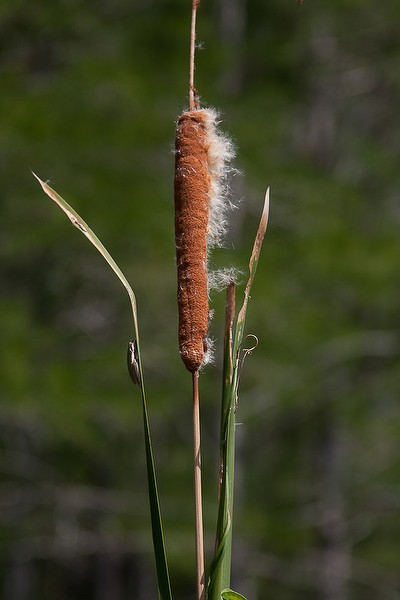
Cattail (by John Bradford)

Cattail (by John Bradford)


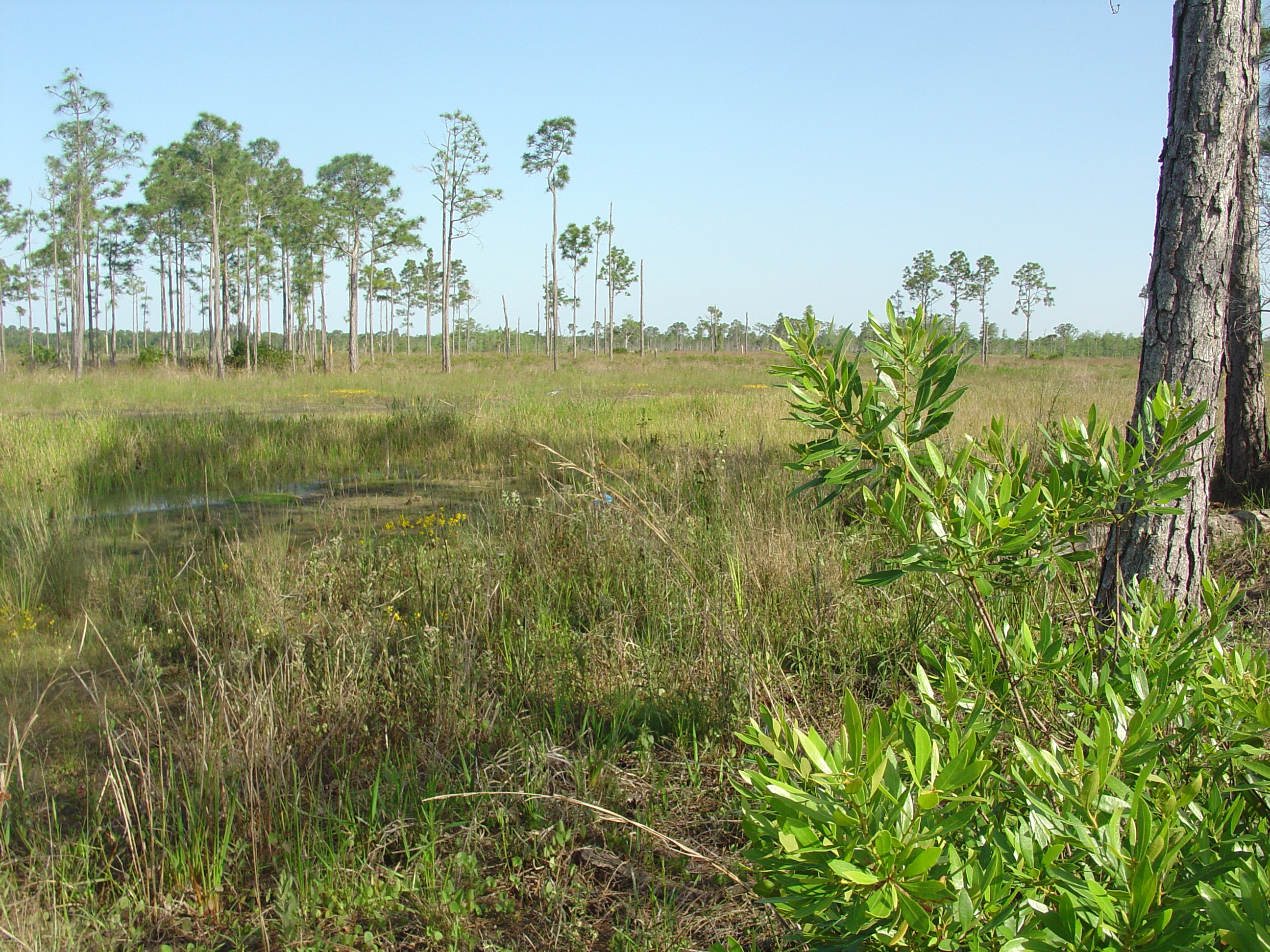
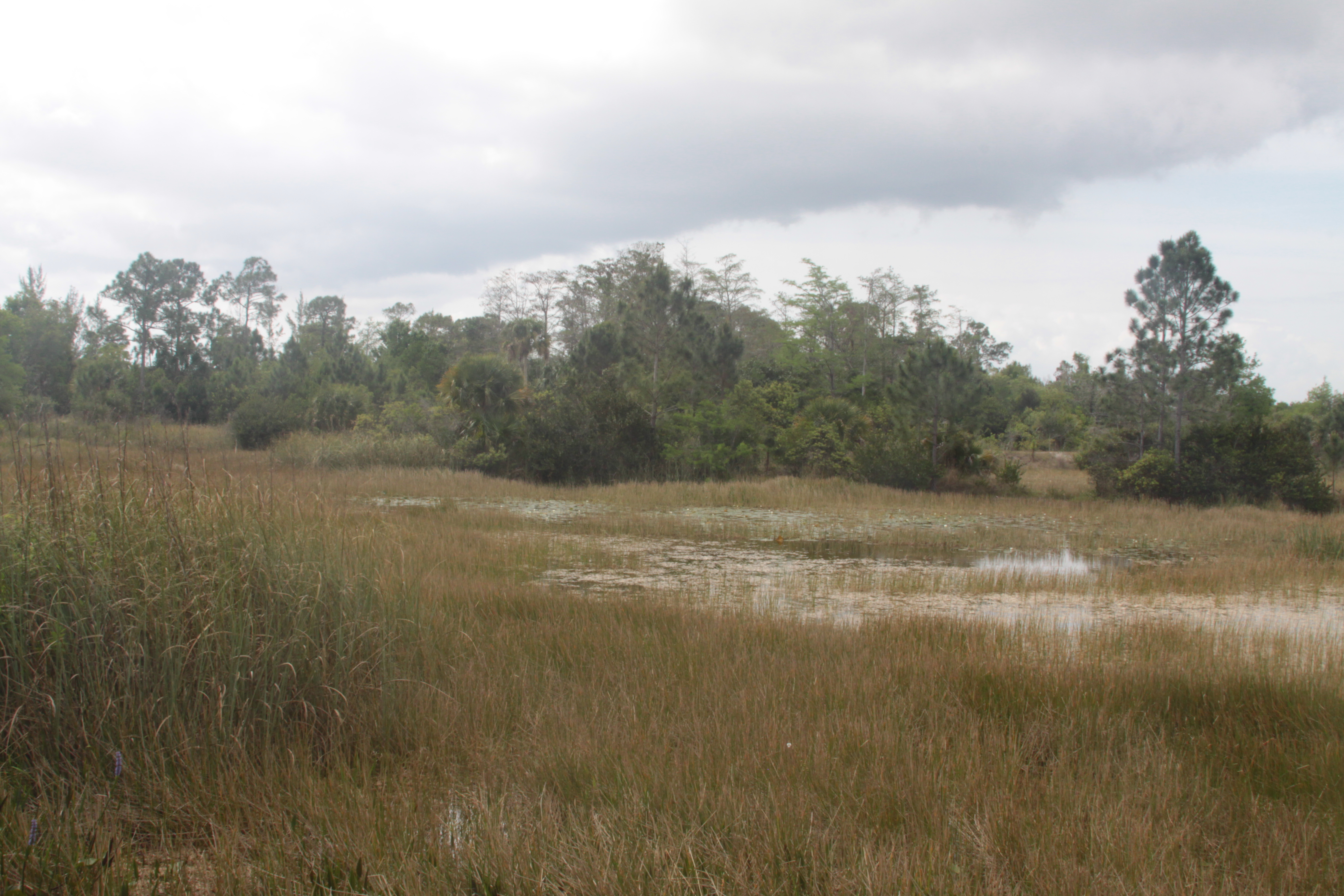
John and George worked indoors today, but no loss, we’ll now cyber-visit the new Pine Glades Natural Area off of Indiantown Rd. The area is vast, wet, and nearly treeless, a grass and sedge-lovers playground.  CLICK


Pine Glades

Pine Glades


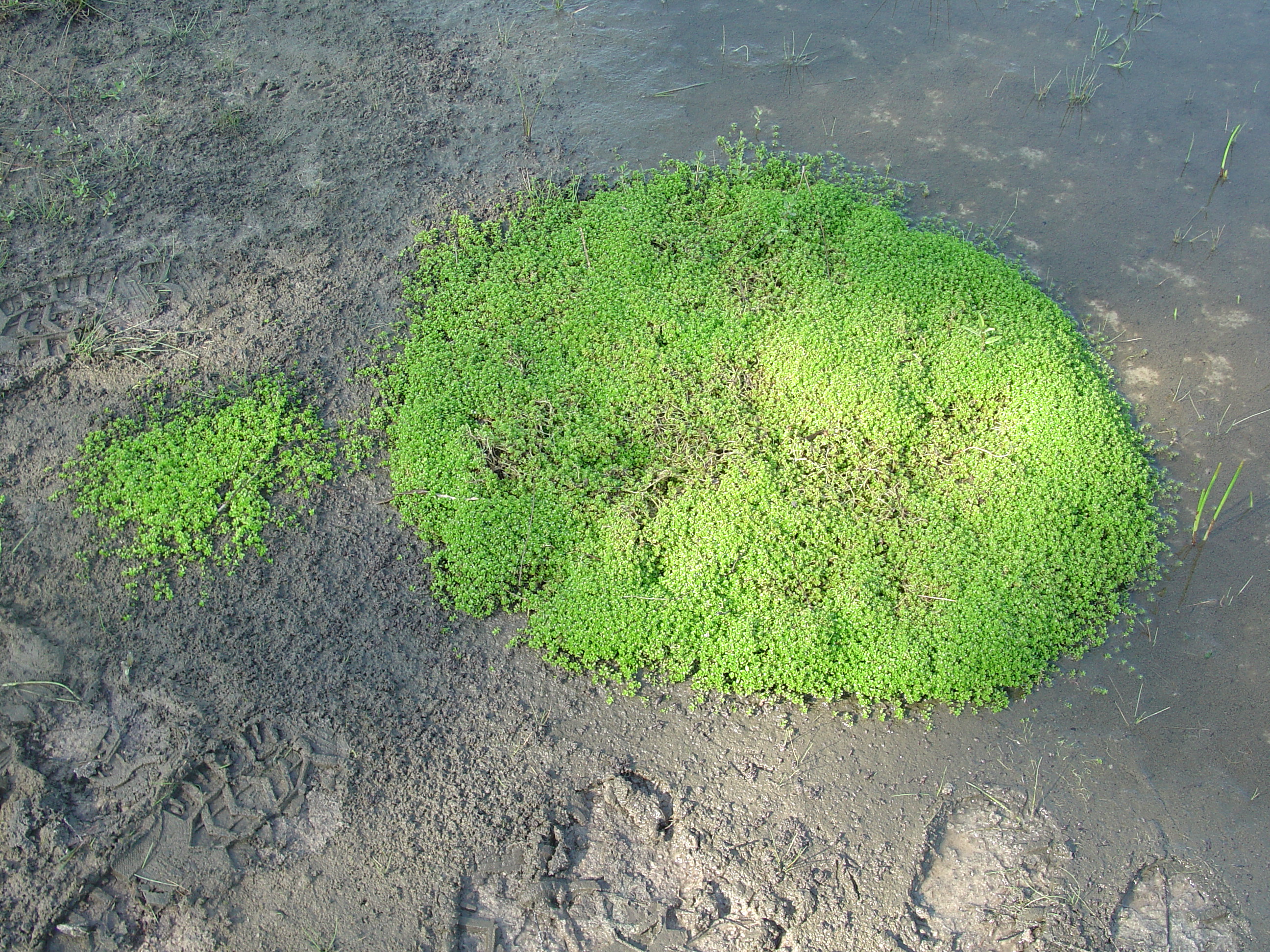
Had to check it out on a hot afternoon, and the most remarkable species there was the smallest;  it looks like a pretty mat of moss, spawning small satellite mats alongside itself. The plant is on gloppy mud laid bare by temporarily receded water in a shallow slough.

DSC08395


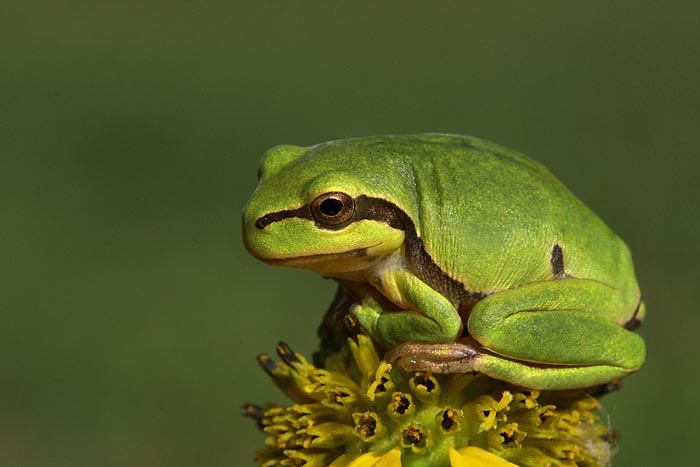
Your shoes will get soggy as you observe the plant, as the frogs observe you.

Pogo (by JB)

Pogo (by JB)


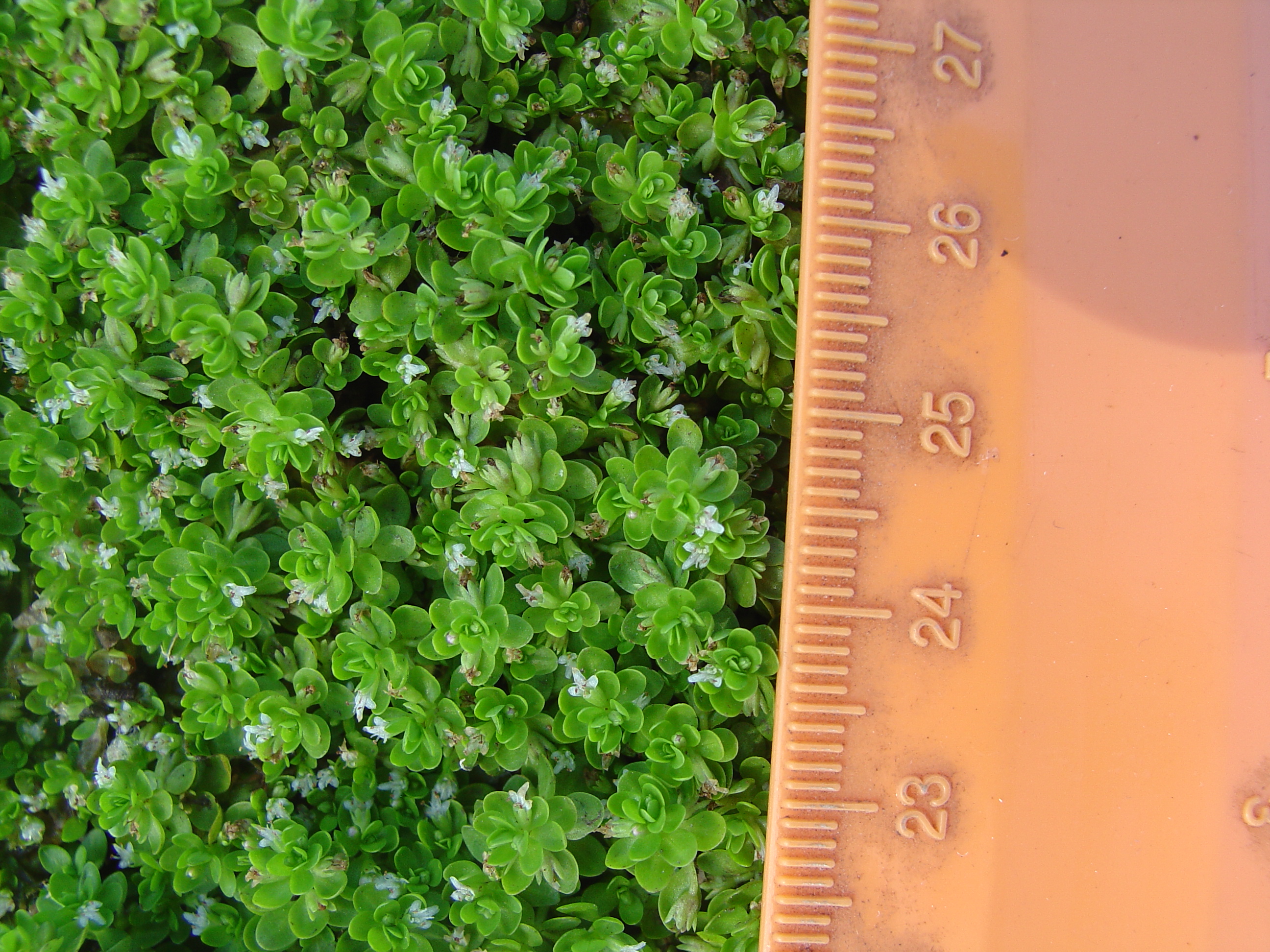
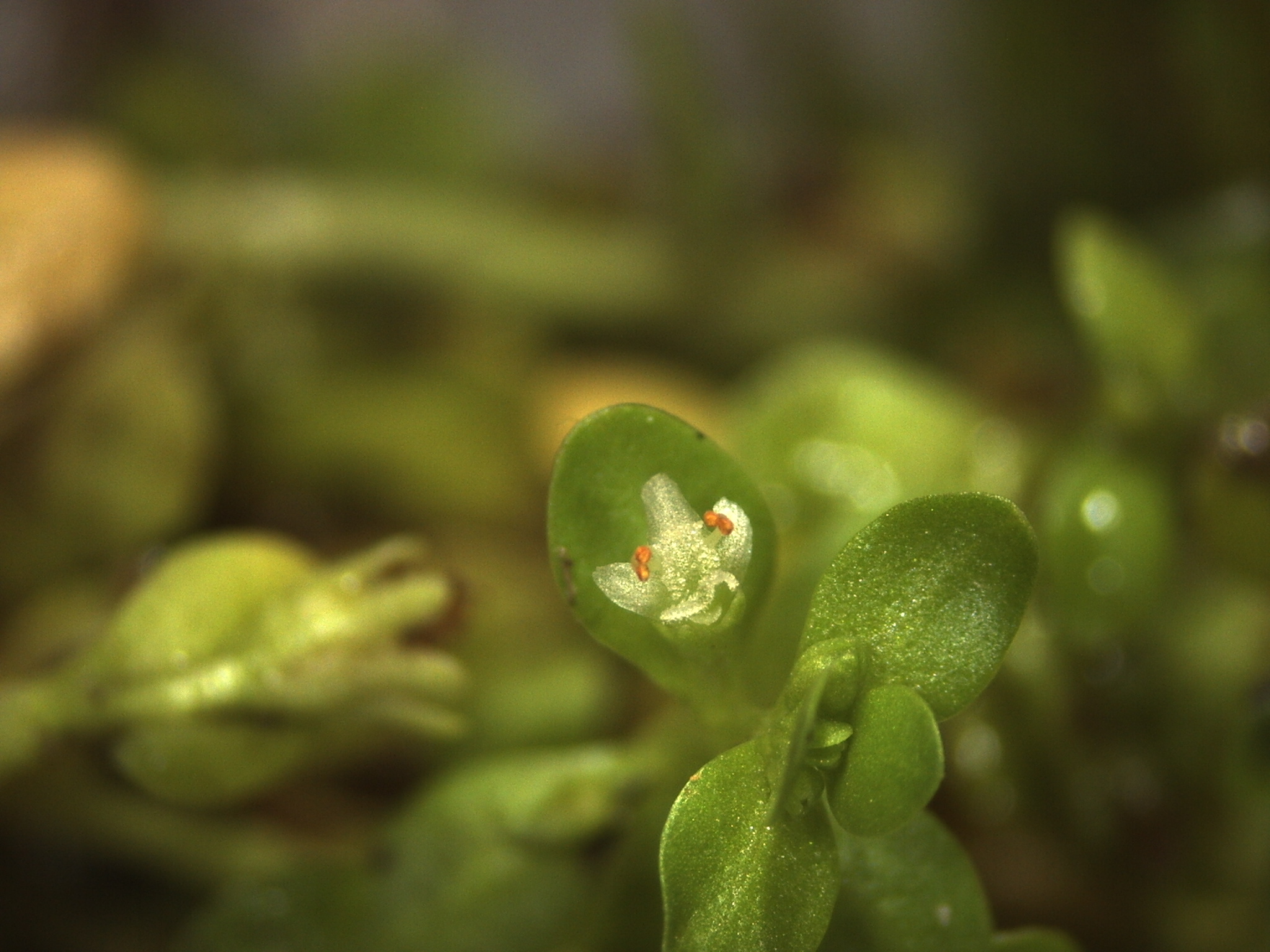
Look more closely—that’s no moss, it has flowers.   You sure?  Or is that just white sand sprinkled on the foliage?  Really really small flowers,  1.5 mm across. What in the world pollinates those?    If anyone knows, it is not apparent on the Internet.   Botanist Francis Pennell, who studied the species and its relatives before I was born, took a stab at it:   “The pollination of the minute white flowers is unknown; it may be by small Diptera, or possibly is largely by selfing.”

Micranthemum close best

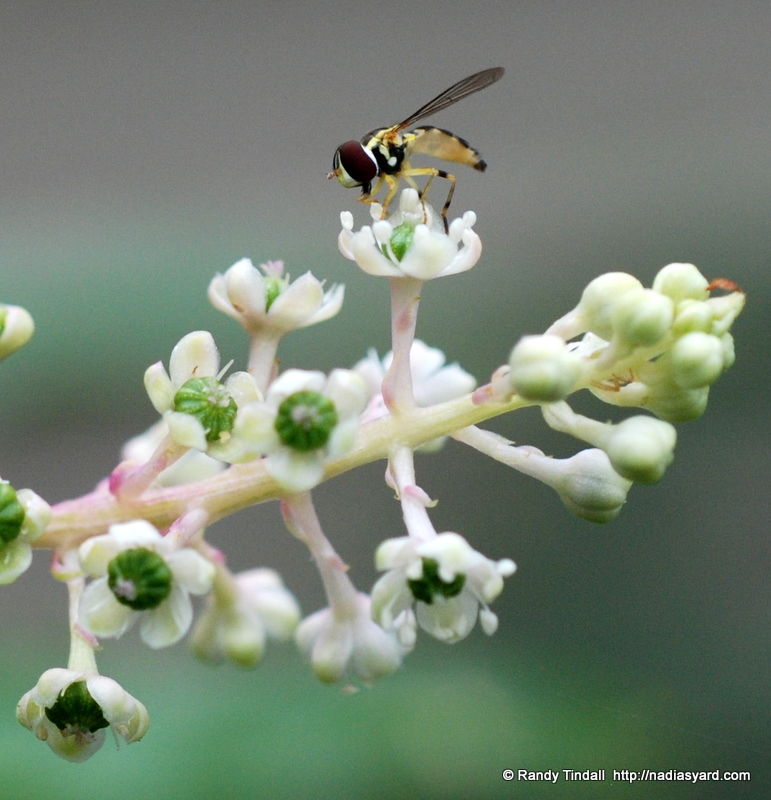
Small Diptera?   Diptera are more or less flies.  It would take a mighty small Dipteran to service a flower the size of a grain of sand.  Is that plausible?  Actually yes, many small flies are pollinators, including so-called Hover Flies, aka Syrphid Flies.  Little white flowers attract Syrphids, some species are minute, and the pollinator need not enter the flower, as the anthers and stigma protrude to greet any visitor probing or even walking on the surface of the leafy mat.  Here is a Syrphid on a small Pokeweed flower CLICK   Of course there exist additional potential pollinators: itsy bitsy bees, ants, thrips, mosquitoes, wasps, micropixies, or nobody.  Nobody brings us to selfing.

By selfing, Pennell meant self-pollination inside the flower with no insect help.  That makes sense in a species prone to colonize exposed mud and reproduce before the Good Lord’s willing and the creek does rise.  (But then again, the species enjoys submersion, as elaborated below.)  Partial self-pollination or a similar condition is reported, vaguely,  in Micranthemum, including in the curious closely related Micranthemum micranthemoides from the mid-Atlantic states, where it may now be extinct.  Guess we’ll never know about that species’s repro-habits, unless it turns up around New Jersey or if long-buried seeds, if it made seeds,  sprout from disturbed mud.

Manatee Mudflower, microscope view. Flower is 1.5 mm across.

Manatee Mudflower, microscope view. Flower is 1.5 mm across.

You might not think Micranthemum micranthemoides is a goner if you have an aquarium.  Plants sold as “Micranthemum micranthemoides” are in the aquarium trade.  The identity of that plant is almost certainly in error, the fishtank species being in fact M. glomeratum.  I put some in my own aquarium, where so far it is happy.

In short, I don’t know how Mantatee Mudflower reproduces; it is an inviting topic of study, especially given the unusual size of the flowers.  You can be sure this mud-bank species gets around plenty as stem pieces break off and float away or tangle on birds, gators, turtles, and other swimmers.  Maybe even manatees.  Oh one more thing, the name is not exactly for the animal, rather, the species was discovered in Manatee, Florida.

 
8 Comments

Posted by on May 2, 2014 in Manatee Mudflower


Tags: , ,

Fern Gamete-o-fights

Cinnamon Fern

Osmunda cinnamomea

Osmundaceae

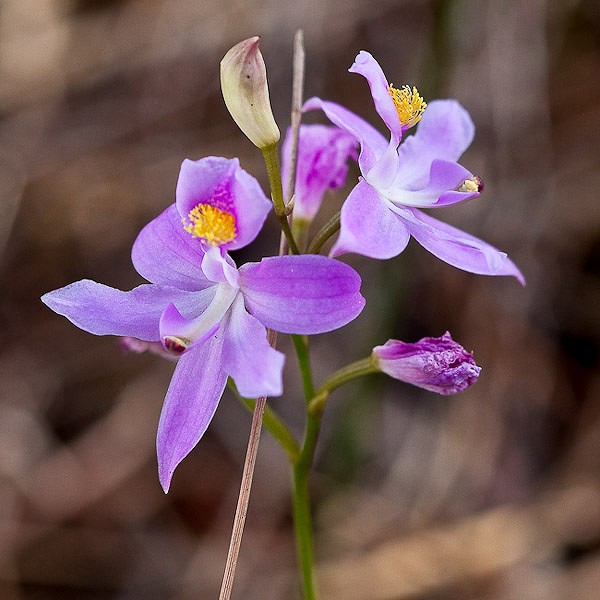
John and George used today for curriculum development and missed getting into the great blue yonder, but George’s Native Plants class Thursday seized the day in Jonathan Dickinson State Park to savor a dairy display of Milkworts, Elliott’s Milkpeas,  and Butterworts mixed with the best crop of Grasspink Orchids (Calopogon species) I’ve ever seen there.  High in the old dead pine tree near the Loxahatchee River a young osprey pondered humans from a safe perch.

Grasspink Orchid (by John Bradford)

Grasspink Orchid (by John Bradford)

One of the standout species in Jonathan Dickinson Park is Cinnamon Fern, an old friend from earlier times in Michigan and Massachusetts.  Partly because of their wind-blown spores, ferns often have broad distributions, in this case from the Arctic Circle across the Equator to southern South America, and from the U.K. (cultivated?) through Siberia to Japan.  Fairly impressive!   And we wonder why it is often impossible to specify if a fern is “native” to a given locale.

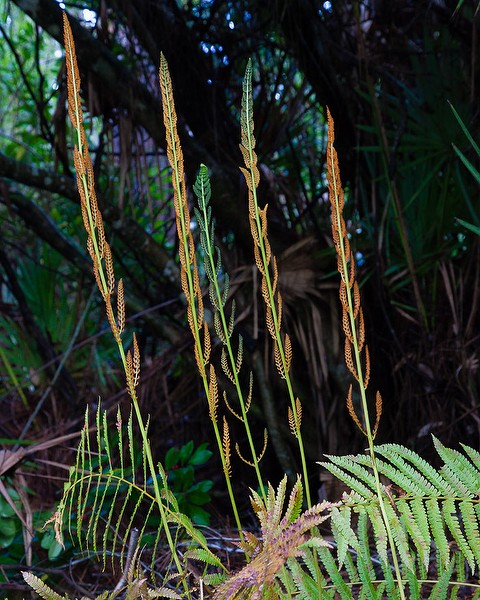
Cinnamon Fern with cinnamon sticks bearing spores (JB)

Cinnamon Fern with cinnamon sticks bearing spores (JB)

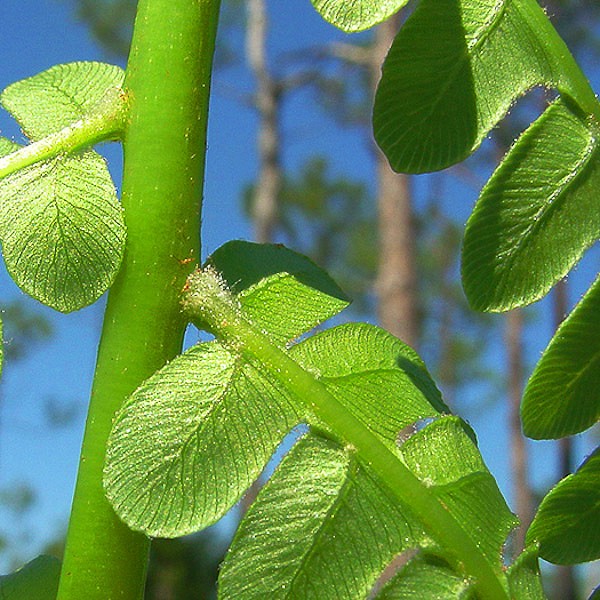
This is one pretty fern, popular in the garden as in the wild.  The fronds stand about 2-3 feet tall in a tuft resembling a badminton birdie, and the cinnamon-colored spores form on giant vertical  cinnamon sticks.  Unsure of the identification?  Peep where the leaflets join the main leaf stalk; there’s a telltale tuft of tomentum.

Cinnamon Fern hair tufts (JB)

Cinnamon Fern hair tufts (JB)

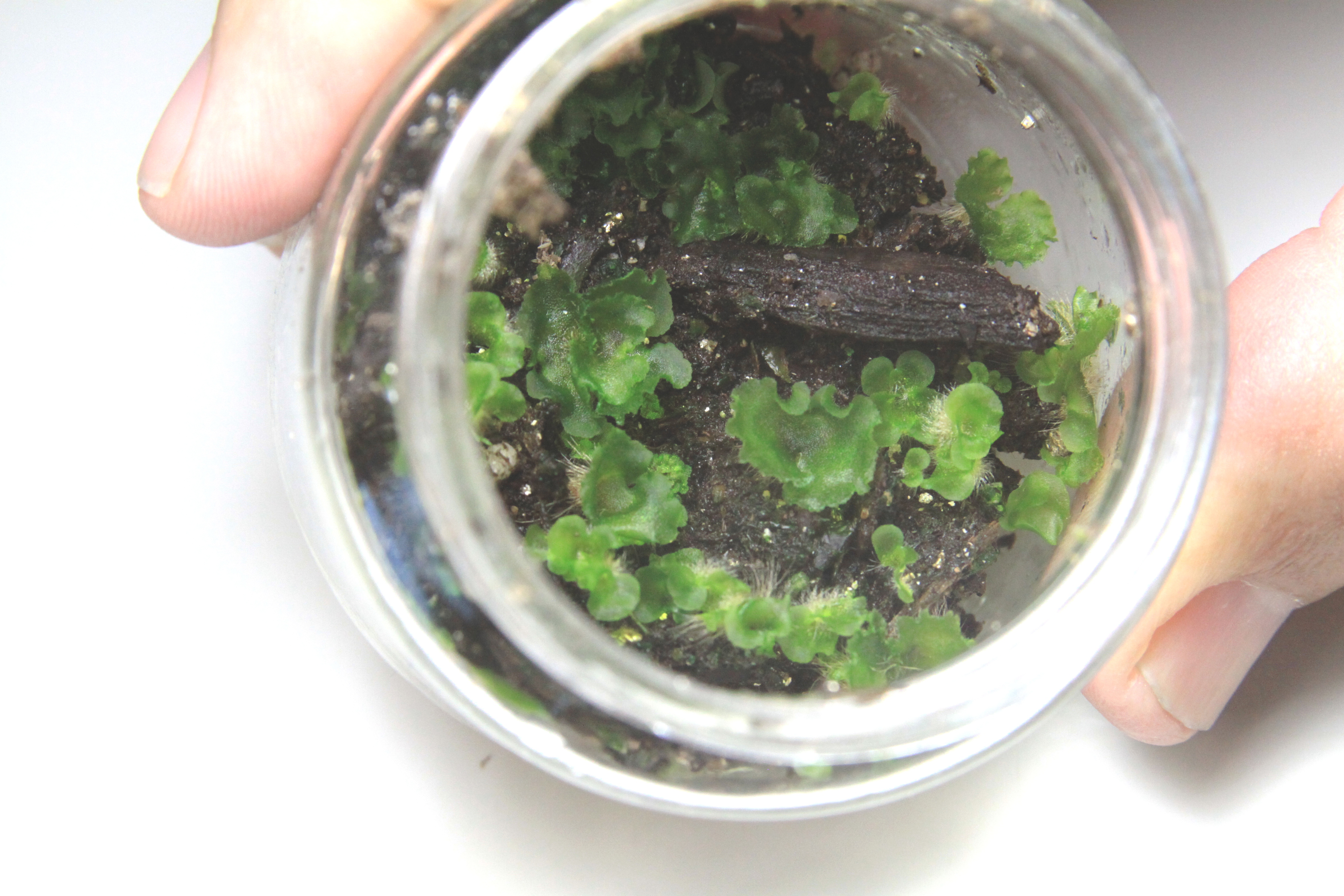
Now a quick lesson on seed plants and ferns.  Most land plants protect their most tender reproductive phase within a seed. But ferns have no seeds.  Instead, their spores germinate, not directly into a new fern, but rather into a tiny tender plant the size of your pinkie fingernail or smaller, called a gametophyte (gam-EET-oh-fight).  The gametophyte makes the eggs and sperms required to regenerate the mature fern plant we all recognize.  The gametophyte is tiny, moisture-dependent, sun-averse, and oh-so-exposed and fragile.   But hold on—not that tender and fragile.   Cinnamon Fern puts the fight in gameto-fight.

Fern gametophytes. Friends or foes? (by Evan Rogers)

Fern gametophytes. Friends or foes? (by Evan Rogers)

Ferns compete like beasts in the jungle.  And the best way to smite your ferny foe is to strike when it is young and tender.  In short, go for the gametophyte!  It’s bloody combat down there in mud.  Recent research in the American Fern Journal showed Cinnamon Fern gametophytes get along dandy with other Cinnamon Fern youngsters, but if you mix them with gametophytes of a different species, somebody gets hurt.  When you combine Cinnamon Fern gametophytes with those of another species, the competitor suffers a dramatic setback, even if all you do is water the competitor with water where Cinnamon Fern babies have been.  Poison!  But don’t start a fight if you can’t take a bloody nose—turns out the other species returns fire, giving our friend Cinnamon Fern a setback of its own.

Plant your spores and place your bets!

 
10 Comments

Posted by on April 25, 2014 in Cinnamon Fern


Tags: , ,

Mother Nature’s Hormone Therapy


When April’s here and meadows wide

Once more with spring’s sweet growths are pied

I close each book, drop each pursuit,

And past the brook, no longer mute,

I joyous roam the countryside.  (Jessie Redmon Fauset)


[Are there deformed frogs in the brook?]


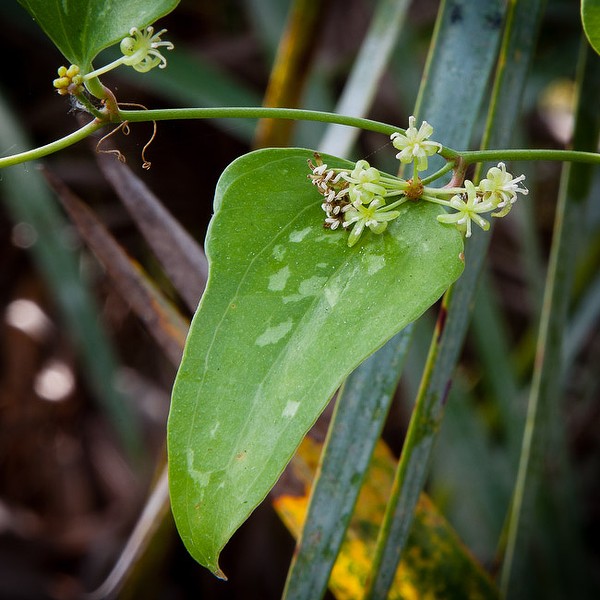
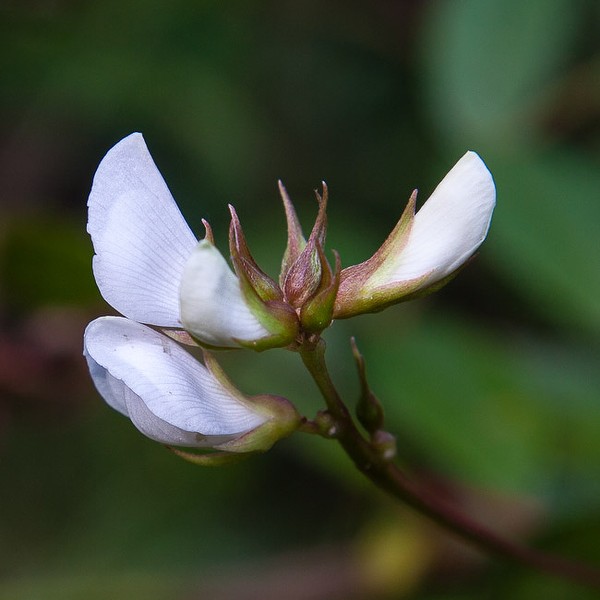
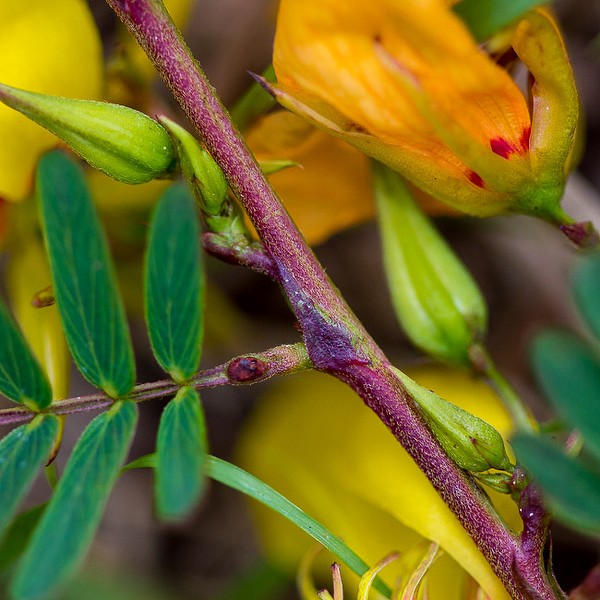
Today’s roamed countryside was the Kiplinger Natural Area on Kanner Highway in Stuart, a bundle of habitat diversity tucked into a small package—weedy meadow, brook with baby gator, mangrove swamp, river bank, low pine woods, and marsh.   The usually modest Gallberry was having its 15 minutes of fame with millions of white flowers abuzz with happy bees.  White Pinebarren Aster (Oclemena reticulata) and Elliott’s Milkpea (Galactia elliottii) splashed more white into nature’s garden.  Rabbit Bells (Crotalaria rotundifolia) were at their yellow best, and Smilax reached out with tender new tendrils and its yellow-green “lily” blossoms.

Galactia elliottii (All photos today by John Bradford)

Galactia elliottii (All photos today by John Bradford)

We’ll zoom in (again) on Smilax as an example of plants able to make compounds, phytoestrogens,  that mimic or interfere with mammalian estrogen hormones and related functions.  A lot of natural and unnatural chemicals do that. The “Silent Spring of the 90s,” increasing public awareness of environmental estrogens, was “Our Stolen Future,” 1997 by Theo Colborn and collaborators.

Smilax

Smilax

There are things to worry about in the estrogen endocrine-disrupting realm.

Thing 1:  Natural botanical “phytoestrogens” can impact animals, including humans for better or worse, an observation not lost on diet- and herbal-conscious writers.   When we talk of artificial estrogens, we’re not merely talking about potentially feminized males (although possible, as in the famous “teenie weenies” on Lake Apopka gators),  but also fundamental developmental disruption and cancers, especially breast cancers.  Hormonal  activity and the altered gene control of cancers are no doubt intertwined.  As two examples of dietary plant-derived phytoestrogenic booboos, A) multiple post-menopausal women have suffered uterine ailments apparently from high consumption of soy products (legumes can be high in phytoestrogens).   And B) a man developed breast cancer after six years of herbal remedies rich in phytoestrogens.

Some observers suspect that traditional plant medicines for reproductive complaints often tend to involve phytoestrogens or similar endocrine-active compounds.  After all, the first birth control pills came indirectly from yams.   And that brings us back to Smilax.

Smilax is a popular trail nibble and as a genus serves worldwide in traditional medicines including several hormonally related problems, including menstrual  complaints, perimenopausal symptoms (for which it is promoted), impotence, prostate enlargement, childbirth, and psoriasis, which has a hormonal connection.   Smilax is a much-touted source of hormonally active compounds..

(Disclaimers:  I am using the term “phytoestrogen” broadly to include compounds that mimic estrogens, or that impact directly or indirectly regulation of the mammalian estrogen-related system.  Also, Smilax has traditional non-reproductive uses too, and of course human history is loaded with attempts to alleviate reproductive ailments.)

Moving on to additional worrisome things:

Thing 2.  My colleague Maura Merkal last week shared a  report on pesticides in South Florida waters:  “Ambient Pesticide Monitoring Network:  1992-2007” (linked below).  Here is a fun fact from the report:  The chlorinated agricultural and lawn-grass herbicide Atrazine turned up at every sampling location.   Did I mention, every sampling location in our general area.   1517 detections.
Crummy, but how does it tie to Smilax?   We’re getting there.  A recent issue of the New Yorker Magazine (Feb. 10 2014)  recounted an epic battle between  University of California researcher Dr. Tyrone Hayes and the manufacturer of Atrazine.   The rub grew out of Dr. Haye’s research conclusions that a profitable herbicide is an estrogen-related source of developmental deformities in amphibians, or let’s call them canaries in the water.

To comfort ourselves we may say, sure there’s Atrazine in all the water, but optimists and vested interests claim the effects are not proven, and the concentrations are low.  (It was not “proven” that cigarettes cause lung cancer.)  There’s been a loud  “Hayes is nuts”  reaction to his research, including assertions that the results can’t be replicated and that his alarm is debunked.  But there are also independent indications that Hayes is not nuts, and there is evidence of human damage from Atrazine in the water.  It would be an understatement to call this dispute controversial.   Interested persons can conduct their own Google research on this remarkable dustup.   (Readers interested in a broad history of inconvenient research in relation to economic interests might enjoy David Michaels’s “Doubt is Their Product.”)

Thing 3.  Now let’s worry that no matter how hormonally pernicious Atrazine may or may not be, there are a lot of additional estrogen-interfering chemicals in the air and water.  Addiitonal estrogen-related compounds haunt the Ambient Pesticide study.  And even if Atrazine is in “low” concentrations now, we’re adding more and more, and what about combined effects of mixed estrogen mimics?  That brings us to worrisome thing #4.

Thing 4:  According to Our Stolen Future and other sources, hormonally-related chemicals can work in astoundingly low concentrations exponentially below what we tend to talk about in terms of toxicity thresholds, such as killing water-fleas.  (“Didn’t kill the fleas, so I guess we’re safe” does not comfort me.)   Hormones and their mimics seem to have chronic effects at levels of parts per billion, or, yikes, even parts per trillion.  But admittedly all very general and murky.
To  return to native plants, why would a natural organic plant be so crass as to make hormonally -interfering compounds?   Plants able to sabotage their herbivores’ baby-making don’t get gobbled.  Human case in point:  Cottonseed oil, containing phytoestrogens, is touted as a potential male oral contraceptive.  Turns out couples in regions heavy on dietary cottonseed oil have trouble making babies.

Are Dr. Hayes and his supporters correct?   As the detractors say, there is no “proof,”  but the fear of Dollarweed in my lawn ranks below my fear of impaired aquatic ecosystems, deformed babies, and adolescent cancers.


Notes:

Ambient Pesticide report

More on Dr. Hayes, Atrazine,  and the New  Yorker article

More on Atrazine and people:

Digest this before scarfing down herbal remedies 

Interesting blog on phytoestrogens

New  Yorker article

 
15 Comments

Posted by on April 19, 2014 in Uncategorized


Partridge Peas and Ambivalent Bees

Partridge Peas

Chamaecrista fasciculata

Caesalpiniaceae

Okeeheelee Nature Center is in Okeeheelee Park near the Florida Turnpike in West Palm Beach.  CLICK   The 2.5 miles of trails criss-cross through dry pine woods interspersed with ponds and marshy areas, a pleasing natural reserve in the middle of our urban area.  So John and I went there today with cameras in hand.

Okeeheelee

Okeeheelee

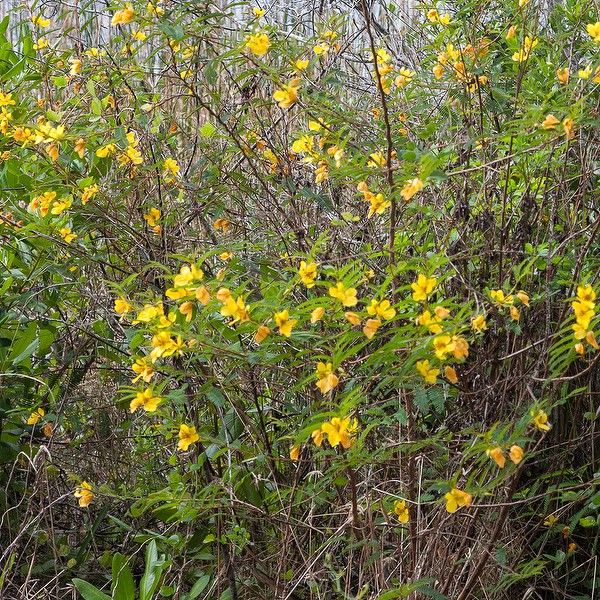
Each time and place has one standout species.  Yesterday it was Partridge Pea in splendid flower over the river and through the woods.   Looks misleadingly a little like a fern, well, sorta.  More like Sensitive Plant but no, and not that sensitive.  Resembles a Cassia plenty, and has historically been classified as one.  A little weedy, Partridge Pea is adaptable and variable, basically an annual or slightly woody subshrub with ferny compound leaves, butter-yellow flowers, and flat pea pod fruits.  It’s everywhere, especially dryish disturbed sites, but sometimes where it is moist, in the sun or under the understory—-you can’t miss it.  Recently burned places are good places to look.   The species ranges from Florida across most of eastern and central North America.

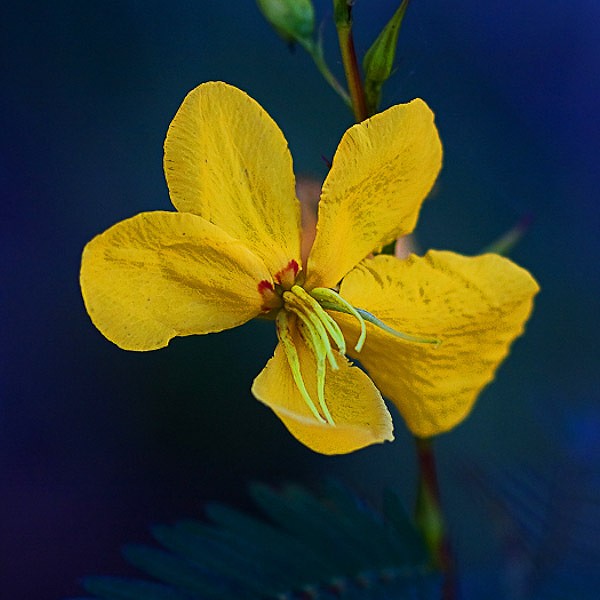
Partridge Pea (by JB)

Partridge Pea (by JB)

This is one of many local species equipped with foliar nectaries to feed ants.  Look on the stalks of those compound leaves for a little nectar gland on each leaf.  The plant feeds ants, and the ants provide Security Services.  Lots of plants and ants symbiose; on the same outing we saw similar glands on the leaf stalks on Bracken Fern, on a Senna at the Visitor Center, on Caesarweed, and on Cocoplum.

The gland is near the base of the leaf-stalk (JB)

The gland is near the base of the leaf-stalk (JB)

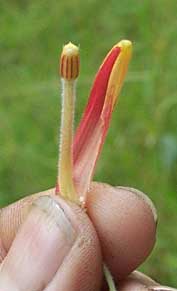
The flowers are open just one day.  Pollination is exclusively by bees, and then only those whose “buzz” has the correct frequency to cause the pollen to puff out of pores at the anther tips.  The stamens (pollen-producing organs) are of two lengths, the shorter ones feeding pollen to the bee, and the longer ones depositing pollen onto it.

This photo (by JB) shows the short stamens and the longer ones.

This photo (by JB) shows the short stamens and the longer ones.  The single structure angled to the right is the (female) style.  Note how the style is angled to the right, and read on.


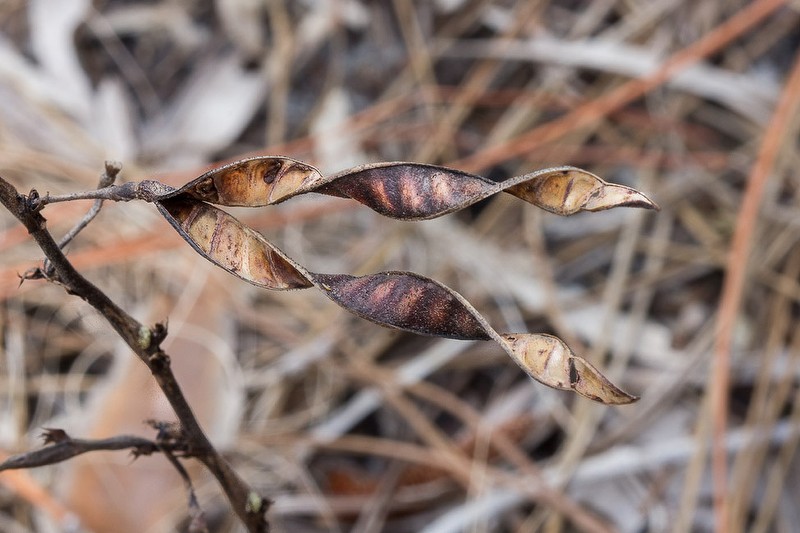
Researchers examining Chamaecrista using electron microscopes have found the stigma (pollen-receiving organ) to be in a small cavity covered in hairs, and to require the “right” buzz for pollen reception.   Preliminary indications (or conjectures) are of a liquid in the cavity that “comes forth” when buzzed properly, able then to snatch the pollen in glue.  (This glue resembles the pollination droplet characteristic of “primitive” seed plants.) The wrong bug carrying the wrong pollen isn’t going to contaminate these very exclusive flowers.

Oddly, buzz flowers tend to have the flowers in an alternating “mirror image” left-right-oriented sequence.  Looking at the flower face-on, the styles (and possibly stamens) are either bent to the left or right.  This link CLICK shows the right-face, left-face, right-face etc. alternation of the skewed flowers.  Check also the link in the notes below.

The alternation pattern is called enantiostyly (ee-NANT-ee-oh-style-ee) and is known in varied unrelated plants.  In at least some species, the left-skew, right-skew pattern is under the control of a single gene, functioning as a toggle.  What enantiostyly is all about is a little controversial, and possibly more than one benefit, and is a matter of current research.   For a short explanation, pollen placement and removal on the bee is precise, and the bilateral application increases efficiency by addressing both sides of the bee.

————————————————————————————————————–

Notes:  Another nice link showing the left- right- skewed flowers: CLICK

Even the opening pods have a mirror-image thing going on (JB).

Even the opening pods have a mirror-image thing going on (JB).


6 Comments

Posted by on April 12, 2014 in Partridge Pea


Tags: , ,

Glade Lobelia

Glade Lobelia

Lobelia glandulosa

Campanulaceae (Lobeliaceae)


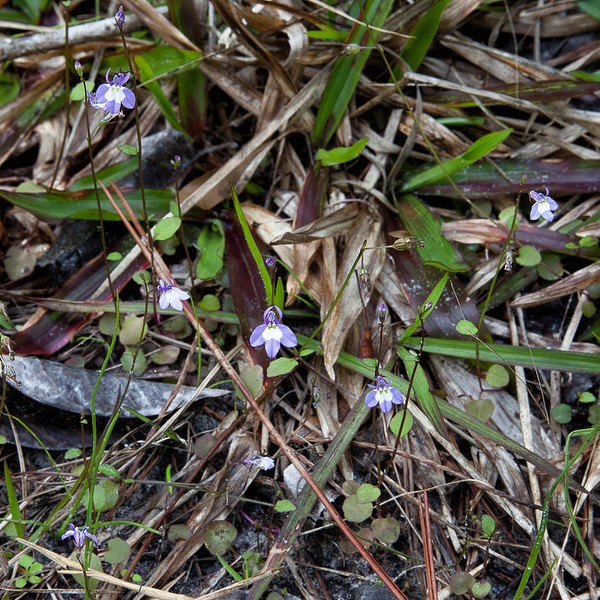
Lobelia feayana (by John Bradford)

Lobelia feayana (by John Bradford)


Yesterday John and George trekked under the hot sun down a dirt road in the large wetland area west of Jupiter, a zone of marshes, depression ponds, and wet pine woods.  There’s a special treat there—a flowing gurgling glimmering brook with clear water and tiny fish, lined with all your basic wetland plant species.  A natural garden of delight.  (The horseflies too were delighted to have some fresh meat. Come along.)

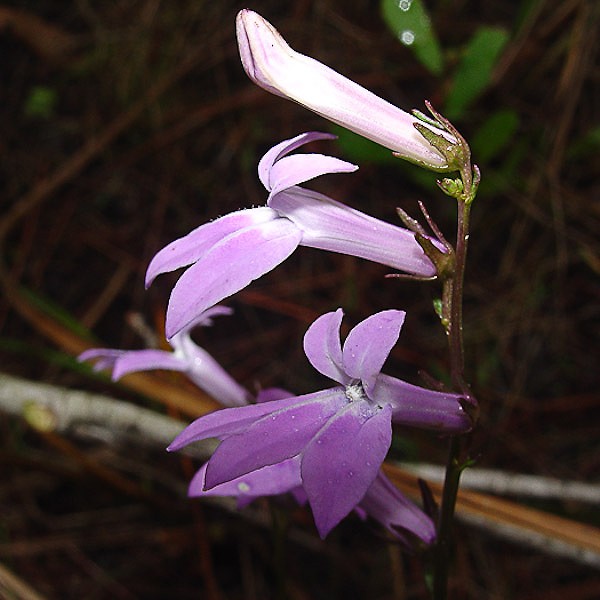
And no garden is completely delightful without a Lobelia, as lobelias are among the most widespread, diverse, colorful wildflowers and cultivated horticultural selections around the garden globe, over 350 species.  Today’s Glade Lobelia is a pretty blue wildflower reminiscent at a glance of last week’s Scutellaria.  And just as Scutellaria had a gimmick, the scute, lobelias have their own odd flower feature.

Lobelia glandulosa (by JB)

Lobelia glandulosa (by JB)

In lobelias, there are two linked oddities:  the flower tube is slit for most of its length, and the five stamens are fused into a tube encasing the style and stigma.   As the flower opens the stigmas are  hidden within the anther tube, making the flower effectively male (pollen producing) at first, then later the stigmas emerge past the end of the tube to render the flower female.    (These features are notably similar to similar structure in the Aster Family.)

This link shows the anther tube removed from a flower.  The style and stigmas are inside the tube  CLICK

Lobelias have hummingbirds, butterflies, and who knows what else, as pollinators, mostly bees no doubt.  In most other flowers the pollinator has to fit within the petal tube, like a car entering the garage.    But in Lobelia, the visitor pulls open the split petal  tube to gain access to inner flower, contacting the anthers or stigmas through the slit.   This link shows a hummingbird probing the slit flower while having its head tapped by the anther-stigma unit.  CLICK

As a student, I remember being wowed at a more northern species, Lobelia inflata, sometimes called Indian Tobacco.  (A dumb name since true tobacco itself was a Native American bad habit.)  The professor said, accurately, that people smoked this species and used it in medicines for the several alkaloid drugs it contains, most interestingly for smoking-cessation and for curbing other addictions.   That was in the 70s, and research has marched on. It turns out the dominant alkaloid, lobeline, interacts with more or less the same brain receptors as nicotine, although they are not similar chemically.  There’s perhaps something potentially useful going on there, and lobeline interferes with the neurotransmitter dopamine.

One of these days I've got to quit smoking!

One of these days I’ve got to quit smoking!

 
6 Comments

Posted by on April 6, 2014 in Glade Lobelia


Tags: , ,

Hydroballochory Happens!

Helmet Skullcap

Scutellaria integrifolia

Lamiaceae

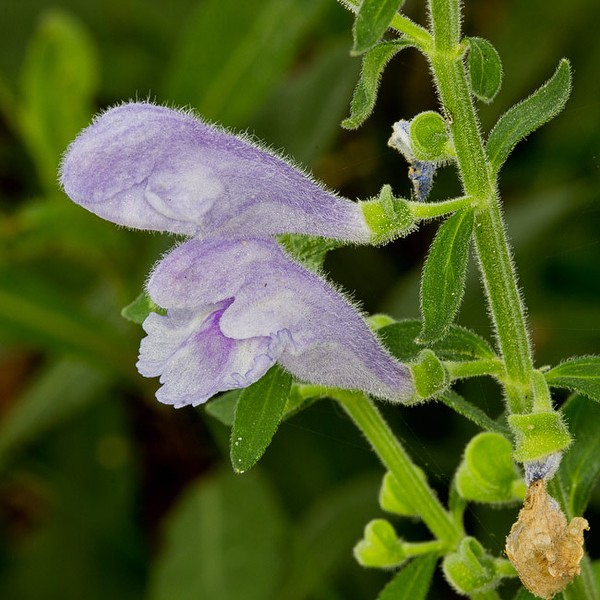
Skullcap 3/28. Today's photos by John Bradford.

Skullcap 3/28. Today’s photos by John Bradford.

In Halpatioke Park in Stuart today (CLICK) John and George encountered a mighty fine mint, Helmet Skullcap, Scutellaria integrifolia.  The species ranges from New England through Florida as one of 350 Skullcap species  all over the world.

Try to find a genus more steeped in medicinal history, homeopathy, alternative remedies, herbal products,  and expensive little bottles, right up to modern scientific medical research.  Skullcaps have served against so many ailments in so many cultures for so many centuries to make a list is as pointless as listing awards won by Elizabeth Taylor.   Just name your favorite malady.   But maybe to curb the fervor for “ingest every wild plant,” Scutellaria extracts cause liver damage, impair membrane functions, and suppress enzymes.

Why name a pretty little wildflower Skullcap?  That stems from the same source as the botanical name Scutellaria.  Let me explain:  The sepals in this and other mints are fused edge-to-edge to make a cup at the flower base.  The proper name for the little cup is the calyx tube.  In this useful link, the tube is labeled, “sepals fused.” CLICK

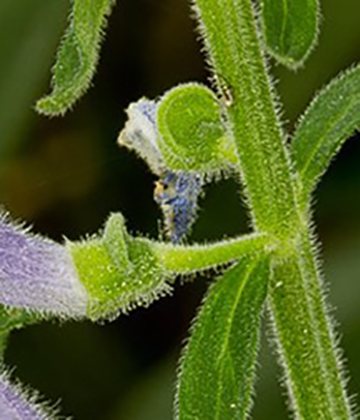
The defining feature of Scutellaria is that on the outer upper surface of those fused sepals (calyx tube) rises a bowl-shaped shield, or scute (plate).   The scute often looks like a beanie, hence the plant name.

The scutes at the flower bases.  Little green "beanies" jutting up from the green cup formed by the fused sepals, the calyx tube.

The scutes at the flower bases. Little green “beanies” jutting up from the green cup formed by the fused sepals, the calyx tube.

But why should that wacky scute exist?  To answer that we need a little general background on the Mint Family flower and fruit structure.  We’ve already met the fused sepals, the calyx tube.  As the flower transitions from the flowering phase to the fruiting phase, the petals fall away, the calyx tube remains in place, its scute enlarges, and the fruits remain as four tiny dry “seeds” inside the calyx tube, which is usually more or less horizontal on the old flower spike.   The sepal cup is spring-loaded at the base, so picture a nearly horizontal cup with four ping pong balls inside, attached to a vertical pole by a spring.   When raindrops strike the scute on the top side of the tipped cup, let’s call it now a splash-cup,  the falling drops bounce the cup. The bounce pops the “seeds” out for dispersal.   That’s  hydroballochory, dude.  This link shows four seeds  ready to bounce. CLICK

skull cap


15 Comments

Posted by on March 29, 2014 in Helmet Skullcap


Tags: , ,