RSS

Author Archives: George Rogers

Unknown's avatar

About George Rogers

Florida botanist

The Long Deteriorating “Fishing Ground of Presidents,” St Lucie River/Indian River Lagoon

This deserves to be distributed.

Jacqui Thurlow-Lippisch's avatarJacqui Thurlow-Lippisch

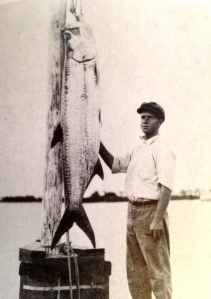
Harold R Johns, posing with a large tarpon, early 19920s, Stuart, St Lucie River. (Photo from Stuart on the St Lucie by Sandra Henderson Thurlow.) Harold R. Johns, posing with a large tarpon, early 1920s, Stuart, Florida, St Lucie River. (Photo from Stuart on the St Lucie by Sandra Henderson Thurlow.)

When the pioneers permanently opened the St Lucie Inlet in 1892, it killed the freshwater grasses that filled the waterways creating a brackish estuary that due to the convergence of tropical and temperate zones, and the nearby warmth of the Gulf Stream, became “the most diverse estuary in North America.” (Gilmore)

After a short period of time, sportfishing thrived in the area, and fishing guides called Stuart the “fishing grounds of presidents” as US president, Grover Cleveland, vacationed and fished the area in 1900 and years after.

In spite of long standing issues with the health of the estuary,  as late as the 1970/80s Dr Grant Gilmore of Harbor Branch documented over 800 species of fish living and breeding in the then healthy seagrasses around…

View original post 598 more words

 
Leave a comment

Posted by on July 14, 2014 in Uncategorized


Willows to the Rescue?

This week John and George sacrificed the usual Friday field work in order to work on our upcoming on-line native plants class to be in play as school starts.  Related to that, I’ve been fretting my second Florida outdoor interest—or let’s say nervous preoccupation—groundwater contamination.  The native plants connection is that millions of landscapers and homeowners who could use native plants with minimal chemical demands, instead spew mind-boggling (perhaps literally) herbicides, fungicides, and insecticides all over the ground, to percolate into the ground-water, which we later call tapwater.  (No, they do not get everything out.)

Salix caroliniana in flower by John Bradford.

Salix caroliniana in flower by John Bradford.

The situation is substantial and worsening, and in my humble opinion is under-publicized.  Somebody ought to start a blog (or a consumer revolution).  It is a joy to see an occasional piece in the PB Post and other Florida papers on this topic.  Yet hardly anybody cares, and a fine chemically tended lawn is a sign of responsibility and solid social status.  Just ask the HOA.  Okay, this paragraph could fill a book.  And such books exist, recently “What’s Gotten Into Us” by McKay Jenkins (2011).

Environmental author Steven Lerner—who has his own books on toxic stinkholes with depressing Florida examples—took a special interest in Tellevast, Florida near Sarasota.  The problems there are not pesticides, but rather defense industry wastes and spills, especially the chlorinated organic solvent called TCE (trichloroethylene) as well as beryllium and varied additional organic solvents.  Chlorinated organics turn up often on lists of carcinogens, for instance, the insecticide DDT, the herbicide 2,4-D, and dioxin.  They are the main rascals in Rachel Carson’s Silent Spring.

TCE is one of the worst U. S. groundwater contaminants.  (The likewise chlorinated herbicide Atrazine is a rival.)   TCE causes mutations and apparently cancers.  It deteriorates into even-more-carcinogenic vinyl chloride.  Sources of TCE pollution include defense-industry factories and aviation facilities.  My first known exposure was in Dayton, Ohio where TCE and additional solvents from Wright Patterson Airbase had visited the local groundwater.  The city erected air-strippers, which are water ventilation towers to transform water pollution to air pollution.

The citizens of Tellevast reportedly suffer disproportionately from cancers and medical troubles ascribed to TCE and other contaminants in the water beneath their feet.  The defense contractor Lockheed Martin owns the facility and is on the hooks for dealing with it.

Well, that’s all nasty, scary, debated, and politicized.  But this is a native plants blog, so, how ‘bout it?   Right!  This all brings us to the Willow Family, the Salicaceae.  The main Florida members of this family are poplars, cottonwoods, and a few willows.  The species in our local area and native to Tellevast is Carolina Willow (Salix caroliniana).

Willow leaves by JB

Willow leaves by JB

How do you oust chlorinated organic chemicals from groundwater without merely redistributing the poison?  There are several approaches but no silver bullet.  The approach of interest in our botanical blog is using poplars and willows for “bioremediation,” to disarm, alter, remove, and sequester the poisons.  It is all experimental, and truly promising at least under controlled conditions.  Poplars and willows are diverse, worldwide, resistant to toxins, easy to propagate, fast-growing, potentially deep-rooted, and able to suck up a lot of water.  They do nuke chlorinated organic pollutants.

Researchers are looking into the comparative efficacy of different species and hybrids.  The cast of species is important because different species flourish in different regions.  One size does not fit all. Poplars outshine willows, yet our own Carolina willow has made the defense team.

Trees detoxify water in multiple ways.  For starters, our green helpers suck up the polluted water through their roots and then alter and imprison the evil molecules in woody tissues.

More remarkable tools in the tree toolbox are enzymes called dehalogenases (dee-HAL-oh-jen-ase) able to clip chlorines off of organic molecules.  That’s almost magic, and to make more useful proteins there’s genetic engineering.  There are already GMO poplars engineered for various growth characteristics, so enzyme enhancement is no huge stretch. In fact, one poplar hybrid is already bioengineered specifically to degrade TCE and other organics.  And get this:  the gene engineered into the trees is a human gene, producing an enzyme to metabolize the carcinogenic molecules.

Risks include the possibility of sequestered toxins re-escaping from products made later from the trees.  Would you want to mulch your veggie garden with their chips?   Surprise chemical breakdown byproducts could emerge, and maybe even ecological misbehavior by the bionic trees.

Similarly armed with dehalogenase enzymes are bacteria, and they are partners in the clean-up and are targets for genetic engineering, which is occurring relevant to TCE.  Bacteria are easier and faster to engineer, incubate, and establish than trees.

Time to wrap this up.  In short, our groundwater is full of bad stuff.  Some of it comes from landscape and turf products where a shift to native species and less lawn would diminish the uckies. Most Florida shallow groundwater and some deep groundwater carries more contaminants than we’d like to know…or drink…even after “purification.”  The solvent TCE is a chlorinated organic goblin.  Tellevast floats 6 feet above TCE-laced water.   We’re not quite ready to plant the town with GMO willows.  But there’s hope for green remediation down the road.  So what the heck, we can load the groundwater up with carcinogens today and let our mutated great-grandchildren plant magic willows.

============================================================

Notes:

For an early in-depth look at the Tellevast situation:

http://www.healthandenvironment.org/articles/homepage/3829

For about bioremediation and TCE: http://clu-in.org/products/intern/phytotce.htm

 
19 Comments

Posted by on July 13, 2014 in Carolina Willows


Tags: , , , ,

Winged Sumac for the Perfect Tan

Winged Sumac

Rhus copallina

Anacardiaceae

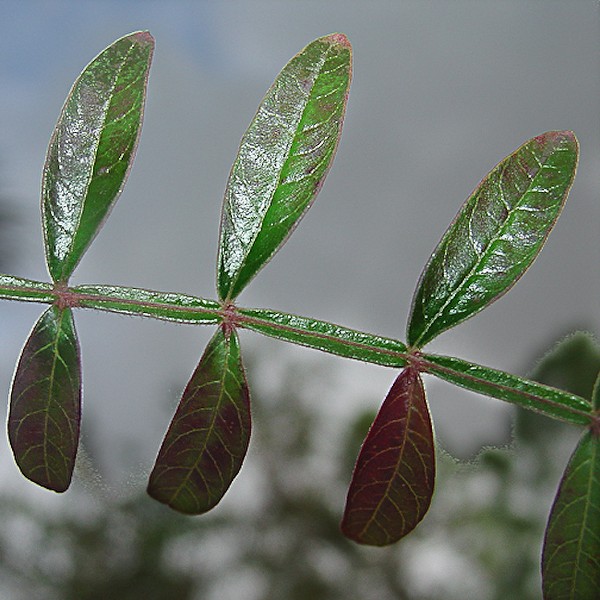
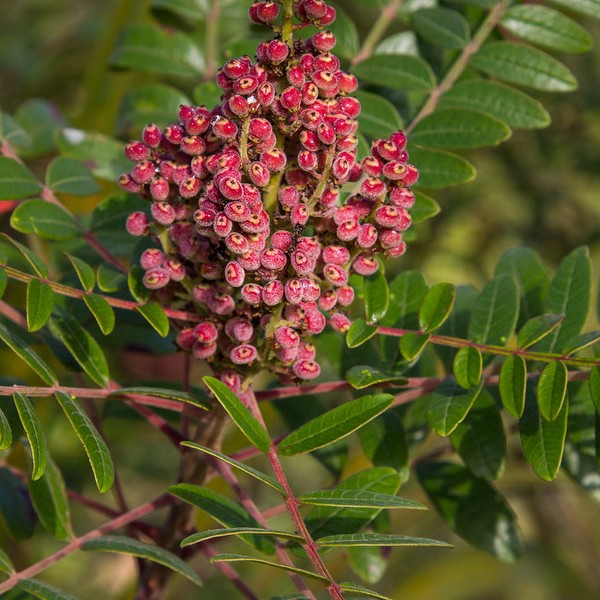
The wing on winged sumac.  All of today's photos are of winged sumac, by John Bradford.

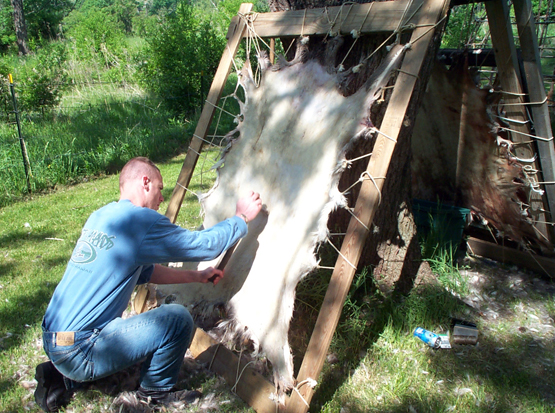
The wing on winged sumac. All of today’s photos except the tanned hide are of winged sumac, by John Bradford.

If you moved to Florida from points north and miss fall color, winged sumac offers a little reminder of North Carolina in October.  Fact is, you could even know winged sumac from northern exposure, as it grows all the way from Cuba (probably cultivated) through Florida into Canada.  Northern plant nurseries sell horticultural cultivars of it.  The species is a small tree or a shrub with distinctive compound leaves having a wing running up the middle.  They make pyramids of small white flowers, usually but not always on separate male and female individuals.   The fruits are small red “berries” for the birds.

Around our area we mostly enjoy winged sumac in sandy areas, often at an interface between grassy meadow and woods, and that may not be entirely coincidental, as sumacs serve as steppingstones in ecological succession: Limited research shows winged sumac to specialize in bullying  low grassy vegetation by poisoning the competition with natural herbicides, and altering the habitat in ways that favor woody plants, especially itself.    Winged sumac can form massive clumps, as it smites its foes and spreads by underground rhizomes.

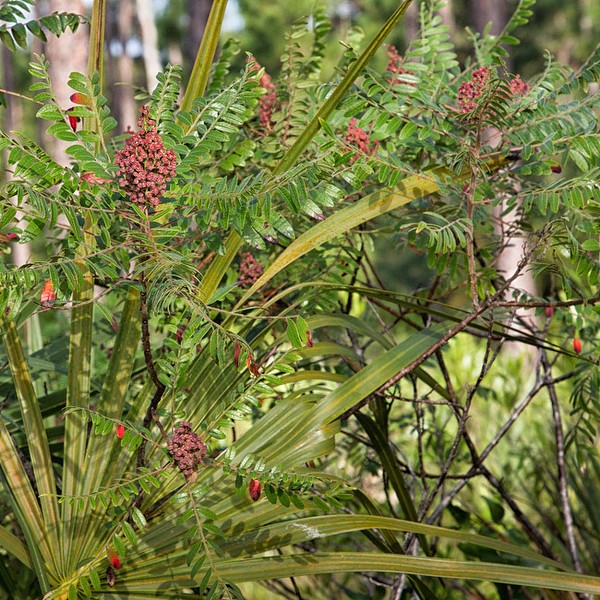
Fruiting tree

Fruiting tree

Sumac bioactivity isn’t limited to squelching weedy competitors.  Species of sumacs around the world have big histories in traditional medicines for more ailments than Uncle Tree could shake a twig at.  And out of that medicinal swirl comes a current point of interest.  Extracts from Sumacs can induce apoptosis (cell suicide) in human cells.  This is the sort of reason I’m no fan of gobbling the wild plants.  Yes, a lot of people in varied cultures make spices and beverages from sumac fruits.  As a Boy Scout, 1960-something, I drank Sumac “lemonade.”  Of course that lemonade comes from the same genus as poison sumac, and some botanists at least historically classified poison ivy in the same genus as Sumac.   I do not know the chemistry but would not be 100% surprised to learn that Winged Sumac might contain a little urushiol, the transdermal irritant so familiar to poison ivy victims.  In the same family, mangoes and Brazilian Peppers are allergenic to some victims.  Here we find also poisonwood.

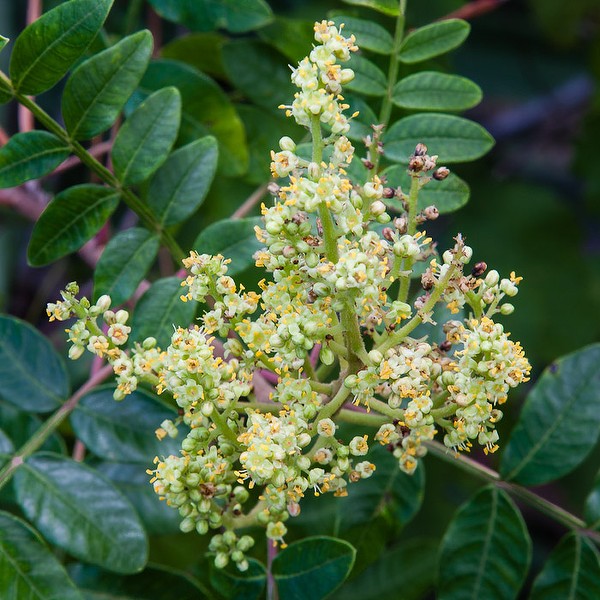
Flowers

Flowers

The most interesting bioactivity of sumacs is their tannins.   Tannins are natural substances present in many or most plants, but some plants are more endowed than others.  Tannins are plant defender compounds that bind up proteins.   If you want to stop a bug from bugging you one approach is to tie their oral-digestive proteins in knots.  You get a taste of that medicine when you bite a green apple—loaded with tannin–and your spit turns to glue.   Plants sometimes produce tannins in response to insect attack, and plants also produce galls in response to attack, or in response to eggs laid by insects into the plant tissues.  Galls are thus sometimes rich in tannins, including the “Chinese Gall” marketed as a medicine and perhaps for leather-tanning. It grows on Chinese sumac in response to aphids.

The fruits

The fruits

Tannins tan leather primarily by binding the collagen proteins in the skin, improving the texture and making the protein resistant to decay.  Sumacs have served or tanning leather in varied cultures from Asia, through Europe and in North America.  Before the day of blogs, sumac-tanned leathers were preferred by bookbinders.  They are still in use, for example CLICK HERE.  I heard a teacher say the name sumac to come from “shoe-make,” which makes fun sense but is probably not the case, as the name more likely dates to ancient Arabic origins.  The species Rhus coriaria owes its name to shoe-makers, as coriaria comes from the Latin term for leather.

 
7 Comments

Posted by on July 5, 2014 in Winged Sumac


Tags: ,

What Do Gilgamesh,  Rachel Ray, and My Yard Have in Common?

Answer: Capers

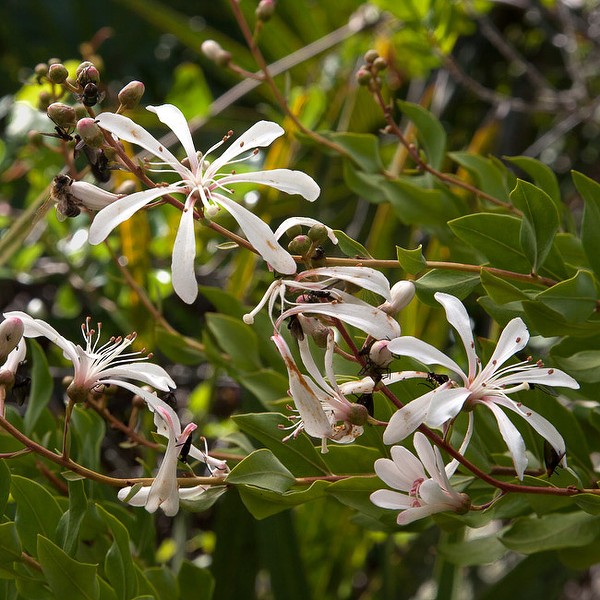
Jamaica Caper Capparis jamaicensis

(Caper nomenclature is a jungle.  Even the family assignment is unstable.  Good luck on “the” definitive names to use for capers.  Jamaica Caper goes also as Quadraella jamaicensis, and is widely mis-dubbed  Capparis cyanophallophora— a similar but separate species in the Caribbean and Bahamas.Those who mine the books and Internet will find even more names.  The taxonomy has been mildly “unsettled.”)

Limber Caper Cynophalla flexuosa (aka Capparis flexuosa)

Spiny Caper Capparis flexuosa

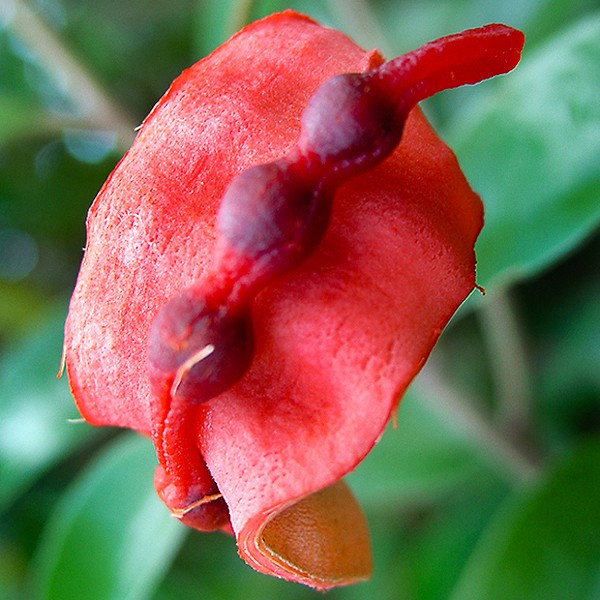
John and George were unable today to undertake our usual Friday wilderness encounter, so, staying home, I spy Jamaica Caper in the front yard.  It is a popular local landscape species, usually encountered as a shrub around here.  In our former carefree lives in the Caribbean John and George, who lived simultaneously on separate heavenly islands known for offshore banking, enjoyed the species as a front yard shade tree up to 15-20 feet tall having a trunk 6 inches or more in diameter.  Anything able to flourish on a  limestone outcrop in the middle of the Caribbean is tough, which is one of the selling points of this species in landscaping: sun yep, shade ok to a point,  drought-tolerant,  hurricane-adapted,  pruning-tolerant, fertilizer-free, pest-shunning, low maintenance, and yet always pretty and with color-changing blossoms in spring or early summer.

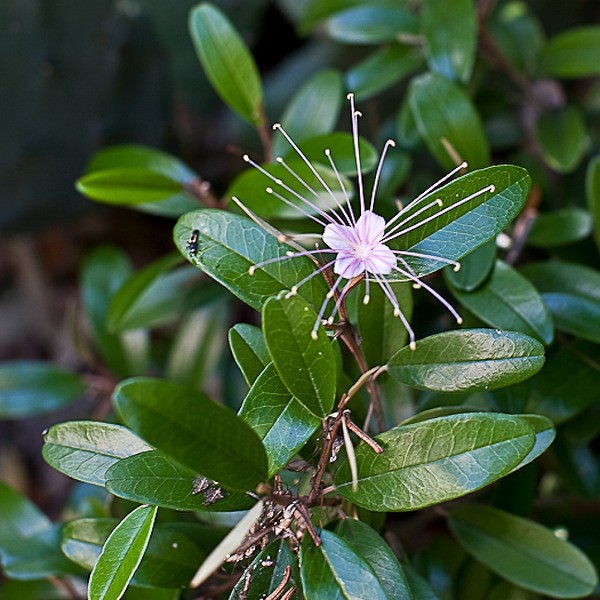
All of today's photos are Jamaica Caper, by John Bradford.

All of today’s photos are Jamaica Caper, by John Bradford.

Changes in flower color are common in the floral world.  The changes are generally interpretable as signals to pollinators concerning nectar availability.

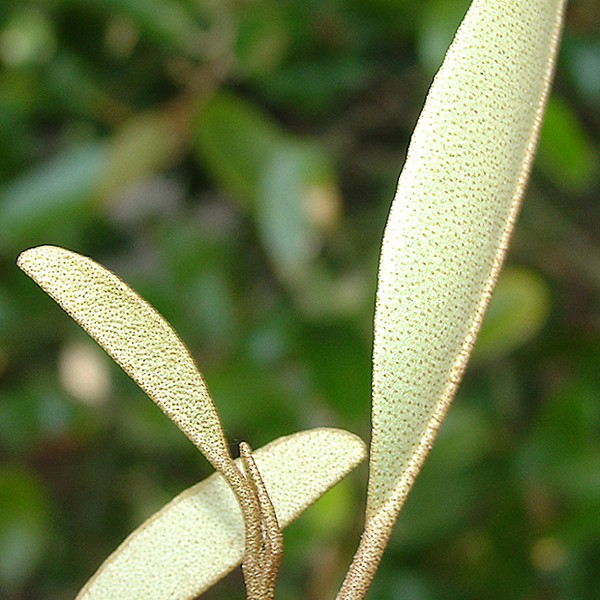
Few shrubs are easier to recognize: The leaves have a brownish-silverish scaly sheen beneath, the leaf buds resemble butter knives, the flowers are pretty big, bowl-shaped, wiskery with long stamens, and transition from white to pale pinky-purple.  The pod looks like a bean, opening to reveal a red interior with blackish seeds.  Hey, that came up recently in this blog.    An added bonus of this species and Limber Caper is hosting  the Florida White Butterfly.  But this is not a how-to-garden blog, horto-info is available in spades by Google, so to avoid reinventing the caper let’s move on to other stuff, after a little geography.

Capparis cyanophallophora close

Jamaica Caper grows naturally from coastal central Florida through the Caribbean and Mexico to Central America.  Limber Caper has a similar distribution, including in Florida.  Limber Caper is, yep, limber-er, sort of a vine-shrub, and its leaves lack that silvery sheen beneath.

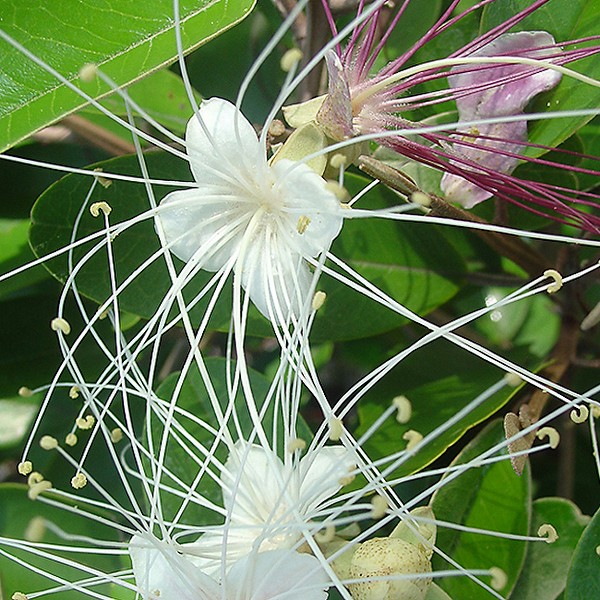
What’s that about the Western Wall?   Plants sprouting from unlikely places are always fun, and the Western Wall in Jerusalem hosts a vertical flora of roughly half a dozen indestructible crack-dwellers.  The prettiest is Spiny Caper,  with flowers remarkably similar to our own Florida species, including the color change, and pod with that trademark red lining.  Spiny Caper is the main pickled caper so heavenly on chicken picatta and salmon with lemon and caper sauce.  My second-favorite food on earth after microwaved tofu is an anchovy wrapped around a caper.

Capparasis cyanophallophora frt

Capers are flower buds, although the Capparis spinosa pod has a culinary life of its own. You can see similar buds on our own Jamaica Caper, but please when whipping up Pasta Puttanesca, visit the Piggly Wiggly and buy a jar of the real McCoy.

Spiny Caper has the confused taxonomy and unclear original distribution standard for plants with histories in prehistoric human commerce,  dating back in archaeology, in ancient records, and in the Bible at least to varied ancient Mediterranean and Mesopotamian civilizations.  It grows from the Mediterranean all the way to Australia and Pacific Islands.  No doubt the earliest boats to criss-cross the Mediterranean had capers aboard.

Butter knife buds on Jamaica Caper

Butter knife buds  ans silvery-browny under-leaf scales on Jamaica Caper

 
11 Comments

Posted by on June 27, 2014 in Capparis


Tags: , , ,

Puncture Vine

Tribulus cistoides

Zygophyllaceae


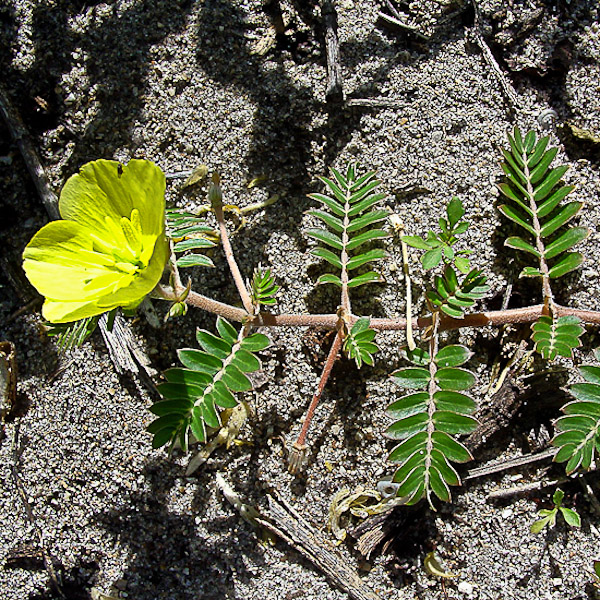
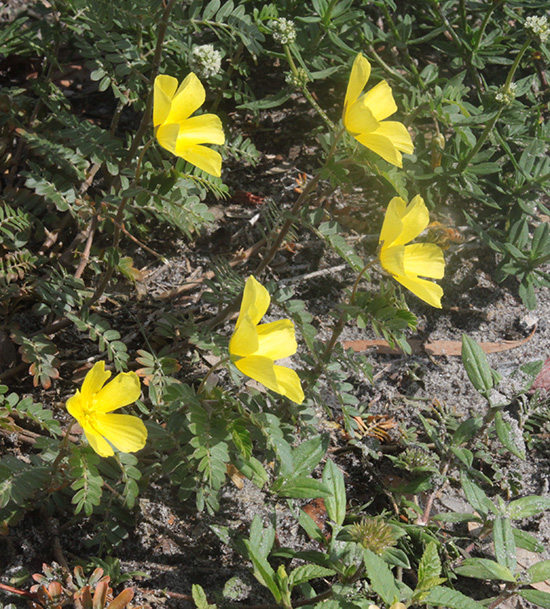
Puncture Vine (by John Bradford). The opposite (paired) compound leaves look ferny.

Puncture Vine (by John Bradford). The opposite (paired) compound leaves look ferny.

Friday John and George searched Halpatioke Park in Stuart Florida for botanical treats. They abound, including the parking lot weeds.  A striking non-native presence on the hottest driest sunbaked weedy sand is the botanical misfit known as puncture vine.  We’ve all seen it sprawling from a pavement crack across the asphalt with opposite ferny leaves and cheery yellow buttercup blossoms.  It is related to Vera Wood trees, similar in flowers and foliage.  Some may know Tribulus (terrestris) as a commercialized botanical “remedy” in a jar.  Others may know puncture vine from a foot stab mishap, the painful burr fruits similar in size, shape, and sensation to those from the sand spur grasses (CLICK).    An example of convergent evolution, as sandspur and puncture vine are unrelated despite superficial burr similarity.

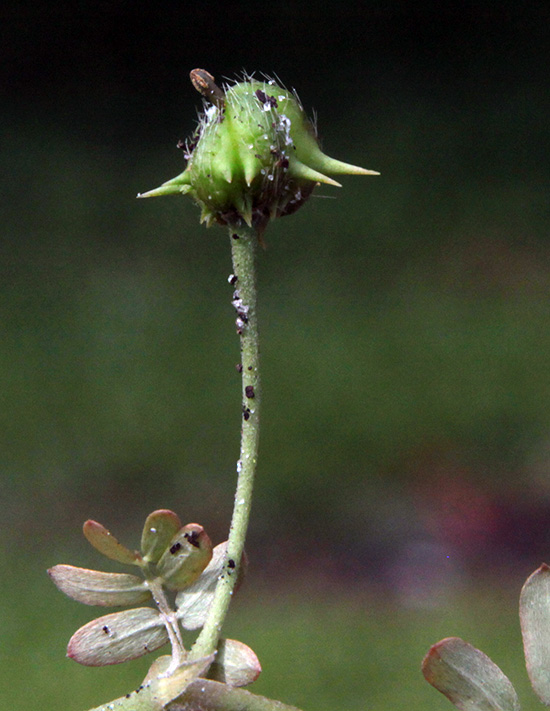
Ouch.  Puncture vine fruit

Ouch. Puncture vine fruit

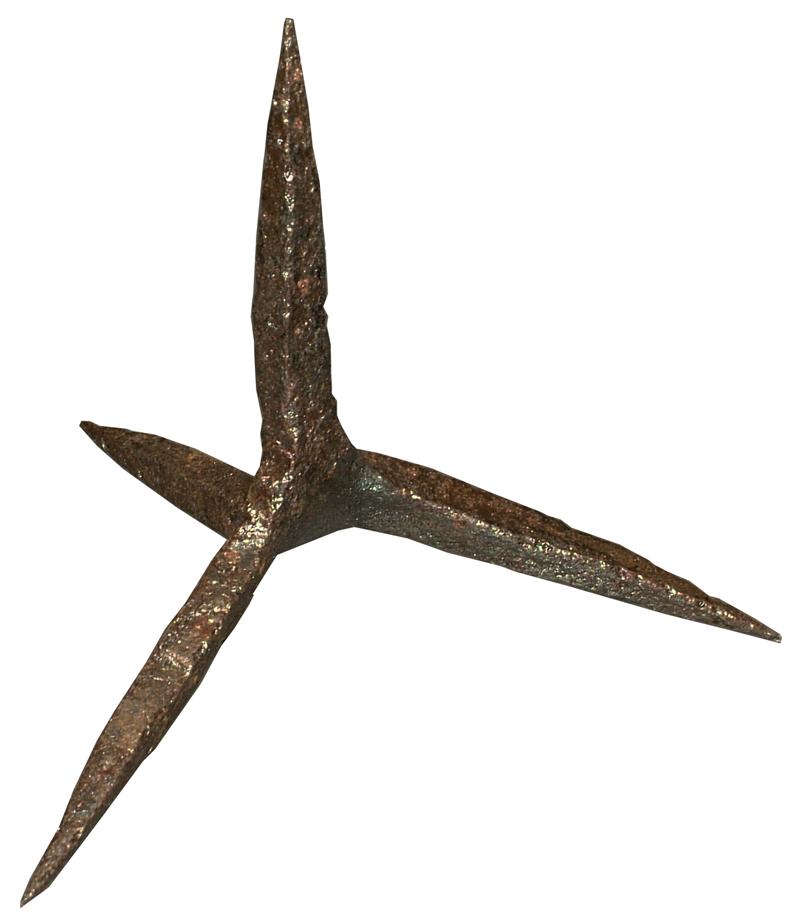
The puncture-prone fruits are armed to the teeth with teeth.  Another an apt name for the plant is caltrop.  A caltrop is an old fashioned device to hobble horses.  Anti-chariot technology. The puncture vine fruit is a little green caltrop.   It can poke a sneaker or a bicycle tire.  Even worse—the things you learn from Wikipedia—some warriors smear lethal arrow poison on the burrs and leave the deadly little booby-traps for unshod foes.

Caltrop (Google Images)

Caltrop (Google Images)


Let’s change the subject to something prettier. The attractive blossoms track the sun, all aligning toward the rays just like digitally coordinated solar collectors.

Sun-trackers

Sun-trackers

Why?  Explanations of floral solar tracking include the heat vaporizing floral fragrances, or to provide an attractive warm haven for pollinators.  Most solar tracking flowers live in cool places where such cozy advantages are obvious.   But why a solar-powered warm-climate weed?  I do not know.  Maybe extra heat helps at times even in warmer climates. It is not always hot year-round 24/7.  And maybe the species evolved in a cooler time or place. Or maybe the direct sunbeams somehow help bees orient to the flowers.   Yellow flowers commonly have UV patterns in the petals; bees see the patterns but we can’t—maybe those sun rays make the patterns pop to a busy bee.

tribulus Solar Dish Systems

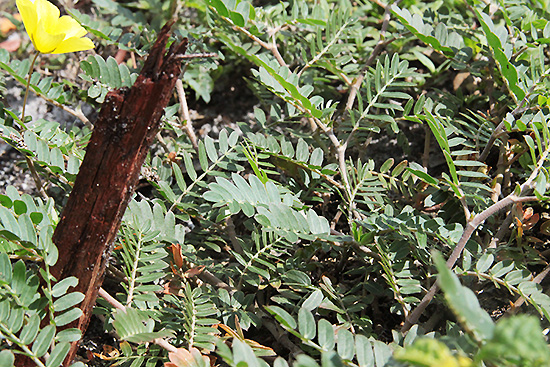
The compound leaves and their leaflets track the sun too, ostensibly to maximize sun exposure for photosynthesis.  The entire ferny leaf orients toward the orb, and as a step further, the individual leaflets “cup” like tiny curved linear sun collectors.  In the image below the brown tilted stick tilts at the sun.  The leaves have the same inclination.

Leaves tracking the sun.  The stick (and leaves) pint to the sun.

The stick, flower, and leaves point to the sun.


The END

tribulus pills

 
15 Comments

Posted by on June 21, 2014 in Puncture Vine, Tribulus


Tags: , ,

Ants in Yer Plants, Ants in Yer Pants

Northern Needleleaf

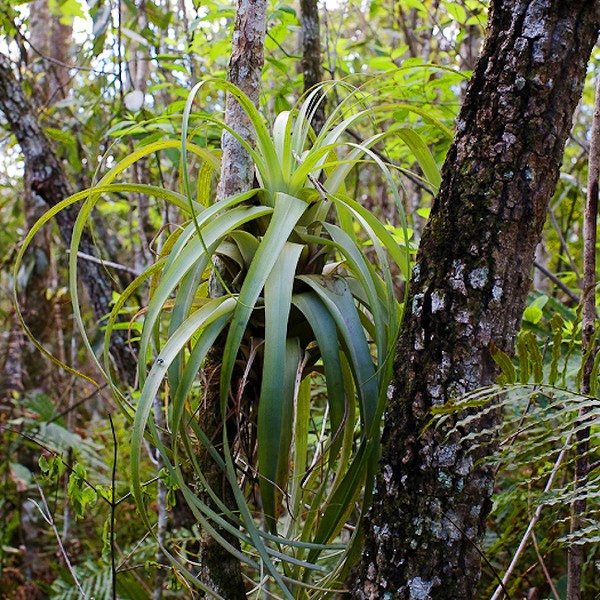
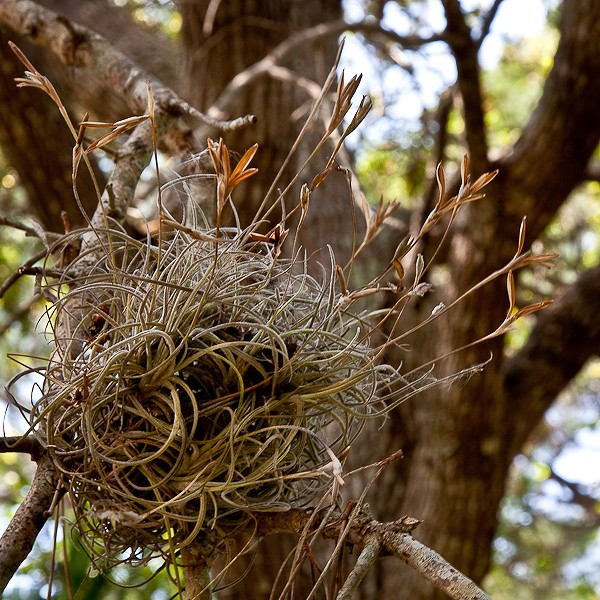
Tillandsia balbisiana and friends

Bromeliaceae

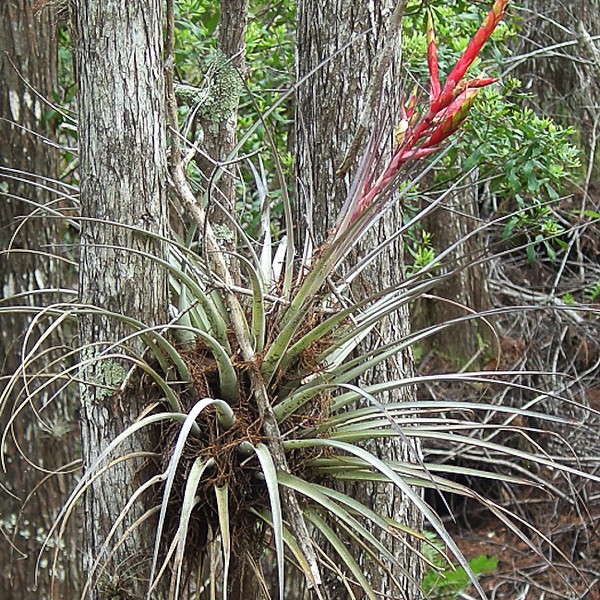
Cardinal Airplant, Tillandsia fasciculata

Cardinal Airplant, Tillandsia fasciculata


Glossary:

Airplant = Epiphyte = Plant living perched on a bigger plant

Local examples:  Ferns, Lichens, Orchids, Mosses, young Ficus, Bromeliads

Bromeliad (bro-MEL-ee-ad) = member of the plant family Bromeliaceae

Local examples:  Lots of garden Bromeliads, Pineapples, wild species of Tillandsia (including Spanish-Moss, Ball-Moss, Cardinal Airplant, Southern Needleleaf and many others)

Note: Today’s photos by John Bradford except for those of the ant-colonized airplant and Potbelly Airplant.  George added those in the Corbett Wildlife Management Area on June 11.


Today John and George sweated through beautiful Jonathan Dickinson State Park, where we greeted a jumbo gator and stumbled through a Bald Cypress swamp, always a fine place to find novel plants.  The Tillandsia epiphytes fascinated both of us, and we enjoyed them in our individual fashions:  John took a panoramic photo, and George got ants in his pants.  (Truly)

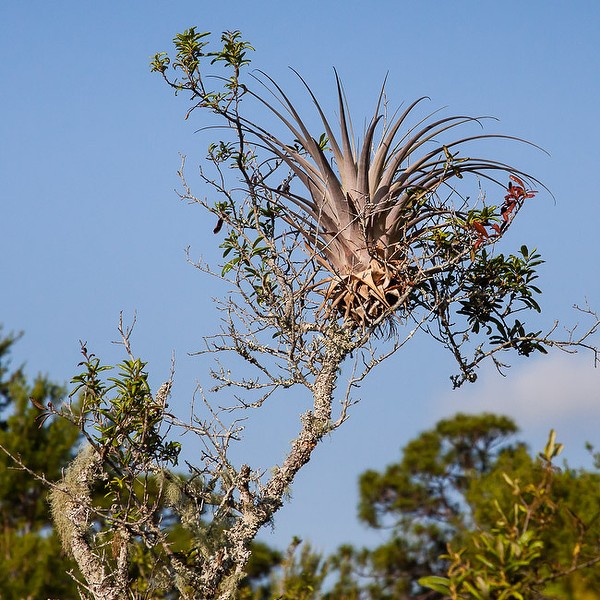
Giant Airplant, Tillandsia utriculata

Giant Airplant, Tillandsia utriculata

Click here, if you will, on John’s Gigapan Interactive Panoramic Image.   John shot this view this week in the Dupuis Management Area near Lake Okeechobee.  He  photoshopped in phew phlowers to phan the phlames of phun.  Zoom in and out, pan around in every direction.  He took this picture to be used!

Life sitting up a tree presents special challenges.  When you don’t have roots in the ground, existence is high and dry.  Plus sun-baked, nutrient-poor, codependent, and stormy.  Epiphytes have an array of special adaptations to cope, to cling to life, and to defend themselves and their tree hosts.  In the Bromeliad Family, most famously many species are tank plants with leaf bases arranged into a water-holding vase.  Let us now ignore boring tank plants.

High, dry, windy, nutrient-poor...yet happy.

High, dry, windy, nutrient-poor…yet happy.

Tillandsias are our main native Bromeliads, and they differ from most other Bromeliads as tankless; instead, they have specialized hairs and coats of tiny scales to secure life’s wet necessities.  You can see the absorptive scales easily on Spanish-Moss, Ball-Moss, and Potbelly Airplant.  Discussed in an earlier blog.

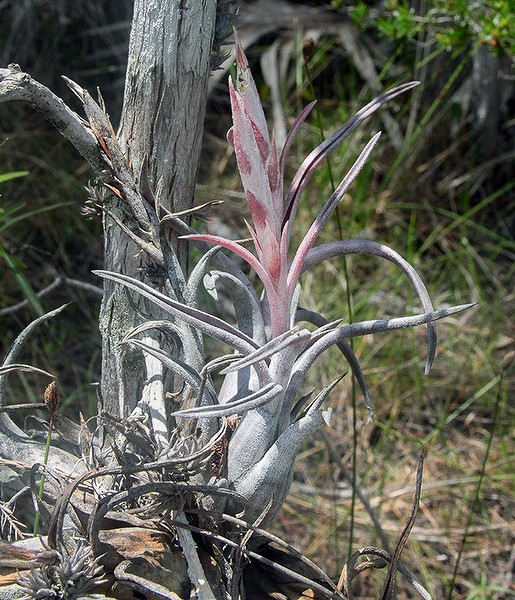
Potbelly Airplant covered with tiny scales

Potbelly Airplant, Tillandsia paucifolia, covered with tiny scales. The potbelly is the potential ant condo.

A less familiar adaptation of some of our local Tillandsias, in particular those with expanded “potbelly” bases, is housing ants.  Varied Tillandsias foster symbiotic relationships with ants, often members of the genus Crematogaster, Acrobat Ants, which typically live in trees.  Let’s see how the happy marriage may work:

Benefits to the ants:  Spaces between the leaf-bases in the potbelly plant base are protected dry nesting sites.  Our local Northern Needleleaf Tillandsia has nectar glands outside the flowers.  These hosts provide room AND board to their guests.

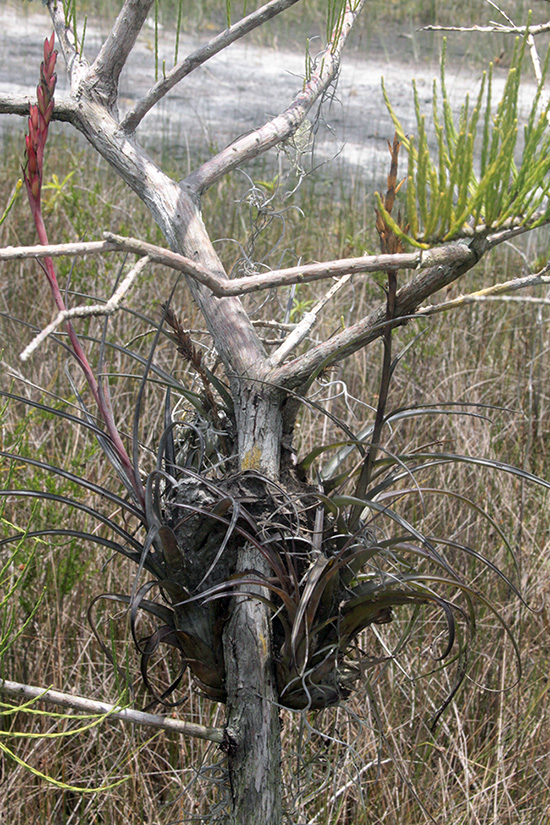
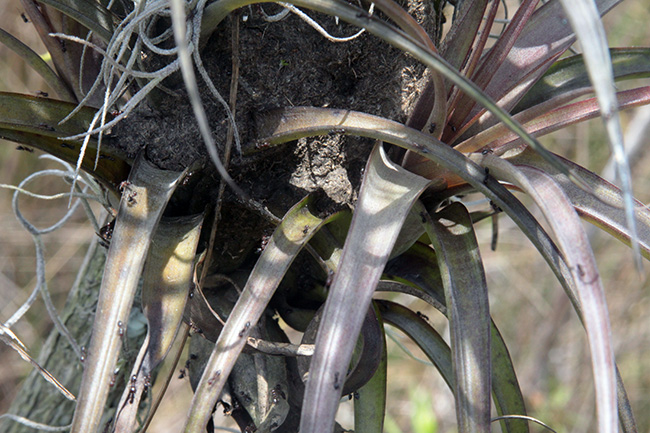
Northern Needleleaf, Tillandsia balbisiana, with ant colony

Northern Needleleaf, Tillandsia balbisiana, with ant colony

Benefits to the Tillandsia:   The ants are belligerent, believe me.  Poke the potbelly and stand back!  Nothing is going to bother that airplant and live.  Sometimes the ants protect the host tree from destructive insects, and may remove pesky vines or competing epiphytes.  Potentially even more important, and in need of more study, researchers think the ants fertilize their hostplant, especially with nitrogen, which is otherwise scarce up in a treehouse.  The ants release nitrogen-rich waste, including uric acid, and they sometimes lug their compostable food and even soil up the treetrunk to the potbelly plant base.  Oh yea, they die and decay too.  The ant-colonized Northern Needleleaf in the photos is bigger and more robust than its antless neighbors.

Northern Needleleaf ant colony at base of plant

Northern Needleleaf ant colony at base of plant

Researchers reported 42% of the Northern Needleleaf specimens to have ants in their plants in Mexico and 25% in the Bahamas.  It is tough to know how common ant colonization is in local populations of Northern Needleleaf, Potbelly Airplant, Banded Airplant, and others.  Interestingly, there is a report of 10-15% of Potbelly Airplants studied in Florida having “weedy” ant colonies.

Ball-Moss, tillandsia recurvata

Ball-Moss, Tillandsia recurvata

 
5 Comments

Posted by on June 13, 2014 in Northern Needleaf


Tags: , , ,

Jeepers Creepers That Sedge Has Peepers

Nutrushes

Scleria species

Cyperaceae (Sedges)

John and George today worked along the Haney Creek Trail near Jensen Beach, a species-rich oasis of wet pine woods, ponds, and scrub.  A dog-walkers mecca it is, and we encountered a jolly Border Collie who, being an eco-friendly pooch, retrieves pinecones.


Tarflower was in bloom today. Photo by John Bradford.

Tarflower was in bloom today. Photo by John Bradford.


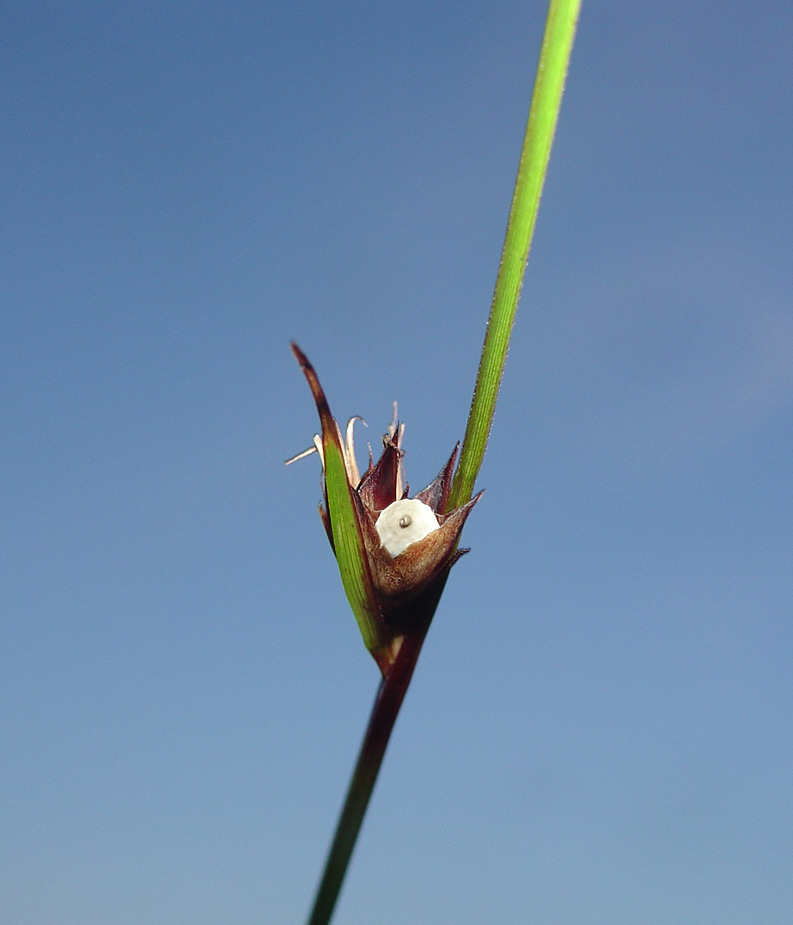
There are big Sweetbay Magnolias, Dahoon Hollies with red berries, and Tarflowers abloom, all very nice, and now cast your big white eyeballs downward, and little white eyeballs in the grass return the stare.  The white of your eye is the sclera.  The white eyeball sedge is Scleria.

Peekaboo! (Scleria baldwinii by JB)

Peekaboo! (Scleria baldwinii by JB)


Scleria is a successful genus of some 250 species peeping from undergrowth worldwide.  Several species live natively in Florida,  and we have some uninvited exotics, too many species for individual attention.   Interested readers, if they exist, check our website floridagrasses.org.

Sedges normally make tiny seedlike fruits, called achenes, which we’ll loosely call seeds; these are brown in thousands of sedge species.  Yet one genus has adopted bright white.  What’s up with that?

Fruits and seeds are all about dispersal.  Duh. So the main point of the glossy eyeball seeds  is most likely to catch the eye.  A plant in the grassy layer is competing with many other seed-makers for creatures to ingest and disperse the seeds.  Scleria seeds are displayed prominently and stand out visually—easily spotted from afar.  Several seed-eating and ground-feeding birds eat Scleria seeds.  One example is the Bobwhite.  The tough cover (sclera is Greek for “hard”) probably helps the seed pass through the bird unscathed.

This species (S. reticularis) has a waffle pattern.

This species (S. reticularis) has a waffle pattern.


Part of the in-flight obstacle course is the gizzard, where some birds collect grit to grind their daily bread.  A Weaver Bird roadkilled in Africa had Scleria seeds apparently serving as gizzard stones according to Mike Bingham of the Zambian Ornithological Society.  Bingham noted also that some of the Scleria seeds seem to have been gathered not directly from the sedge plant, but from the ground where the white color may help with selection.  Bird feed suppliers sell small white Proso Millet seeds for ground-feeding birds.  The millet and Scleria are similar.

To add to the mysteries, the seeds of different Scleria species have varied surface textures: smooth, or pock-marked, waffle, or bumpy, or ribbed like a pumpkin.  Go figure.

Scleria triglomerata, dispersed by ants.  The "hypogynium" is the handy dandy ant handle at the seed base, at the left.

Scleria triglomerata, dispersed by ants. The “hypogynium” is the handy dandy ant handle at the seed base, at the left.


It is not just bird distribution, by the way.  One of our largest local Sclerias, S. triglomerata, has a handle called a hypogynium on the seed. (Many additional Scleria species do too.)   Ants use the hypogynium to drag the achenes to their nests, and probably eat the hypogynium away which could promote germination, as occurs in other ant-dispersed seeds.  An ant nest is a natural garden, with tilled soil, compost, and armed guards with an attitude.

 
4 Comments

Posted by on June 6, 2014 in Scleria


Tags: ,

 Plaid Shirts, Checkerboards, and Bird Food

Lancewood

Nectandra coriacea (Ocotea coriacea)

Lauraceae

Today John and George were not just taking an idle nature stroll.  We scouted images for our upcoming refurbished online course on Native Plants, visiting two neighboring hammocks near Stuart:  Twin Rivers Park and Rocky Point Hammock Park.  Species diversity makes those two small refuges living plant museums. Lancewood perfumed the air from its small white flowers asking to be today’s featured species.  Or at least to lead the parade.

Lancewood blossoms.  (Today's photos mostly by John Bradford, although some of the red and black photos below are from our older collections and who took what is forgotten.)

Lancewood blossoms. (Today’s photos mostly by John Bradford, although some of the red and black photos below are from our older collections and who took what is forgotten.)


Lancewood is a small tree or shrub in the Cinnamon Family, resembling its disease-suffering cousin Red Bay (Persea borbonia).  Red Bay leaves are grayish and usually hairy (or not) beneath instead of green and hairless, and Red Bay foliage stinks nasty when crushed as opposed to a gentle fragrance from smashed Lancewood.  Lancewood ranges from South Florida down through the Caribbean Basin.   Because I occasionally make primitive archery equipment, or used to, it interested me although perhaps not you, that prehistoric Floridians carved archery bows from the wood.  Few species are good for that.

Lancewood fruits on a red "golf tee."

Lancewood fruits on a red “golf tee.”


What Lancewood brought to mind today, although too early for fruits, was its blackish fruit sitting like a tiny golfball on a reddish tee.  This is one of many examples of a pervasive theme in the plant world—fruits and seeds distributed by birds often are compositions in red and black.  The colors can be on different organs depending on the species: variably on fruits, on stalks, or on seeds.  For instance, in pokeweed the berries are black fruits on red stalks.  CLICK  Flowers pollinated by birds are often red too, but this is fruit day.

The world is too full of red-black birdophilic combos to go crazy listing them.  A quick search through our dusty photo collections turned up enough examples to make the point based on local wild species.  If the search were expanded to garden species or to species in other regions we’d be at it all day.  Some pleasing Google-able examples beyond the scope of here and now include the fruits/seeds of some Clerodendrums,  Ochna, and Peonies.

Now please enjoy a little black and red:

blackredelmer


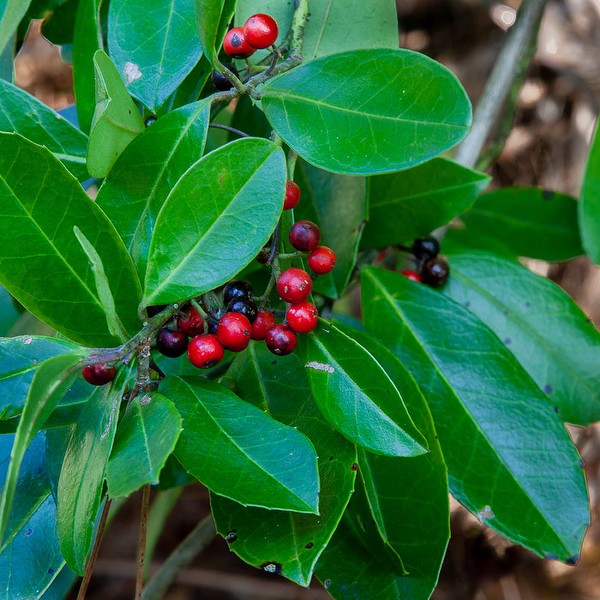
Dahoon Holly.  In many species the red-black combo comes from ripe and unripe fruits.

Dahoon Holly. In many species the red-black combo comes from ripe and unripe fruits.

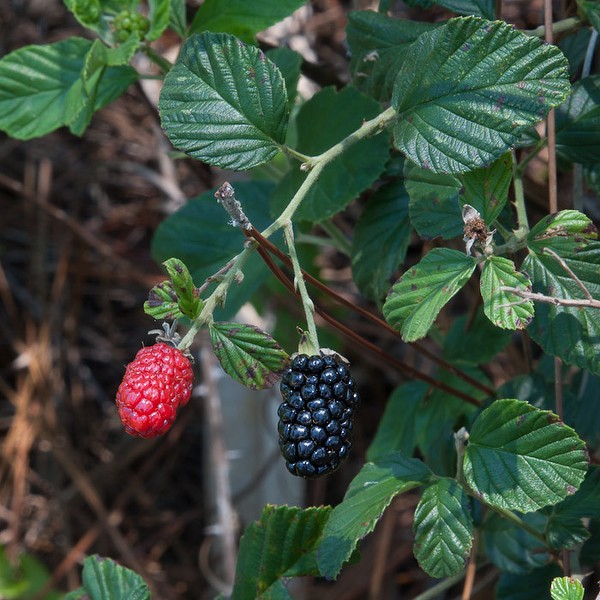
Rubus cuneifolius, unripe and ripe

Rubus cuneifolius, unripe and ripe

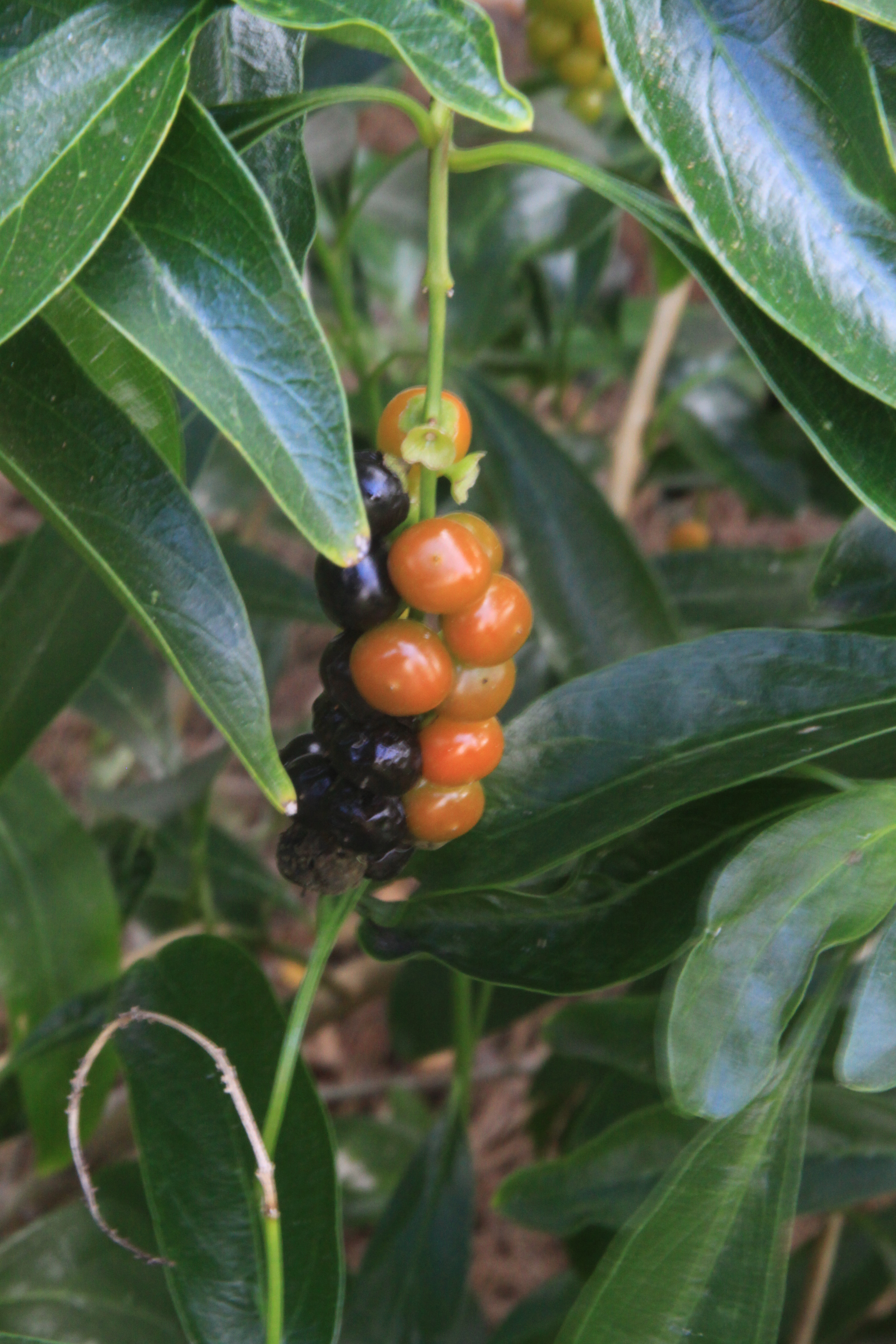
Fiddlewood mixed colors

Fiddlewood mixed colors

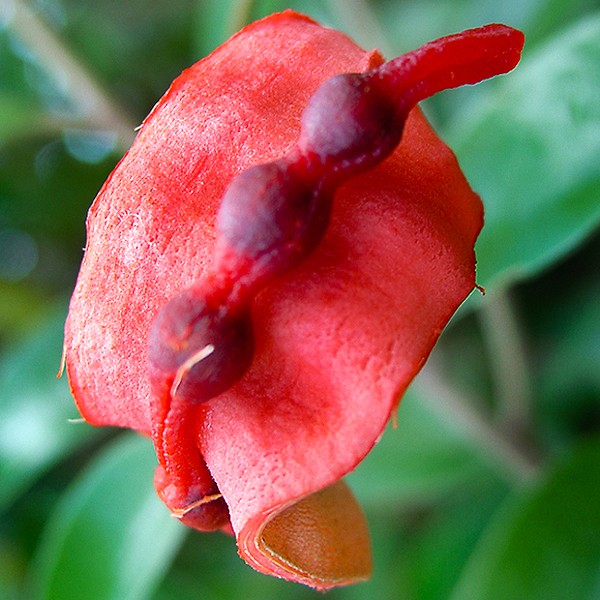
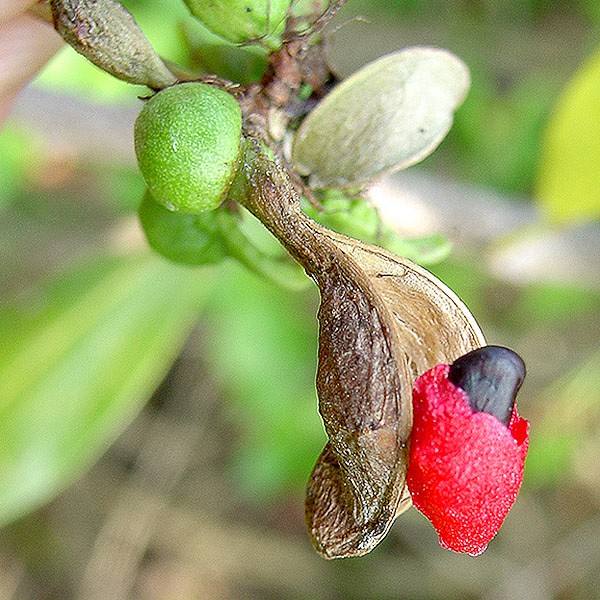
Jamaica Caper. The red inner lining of the pod is a backdrop to black seeds.

Jamaica Caper. The red inner lining of the pod is a backdrop to black seeds.

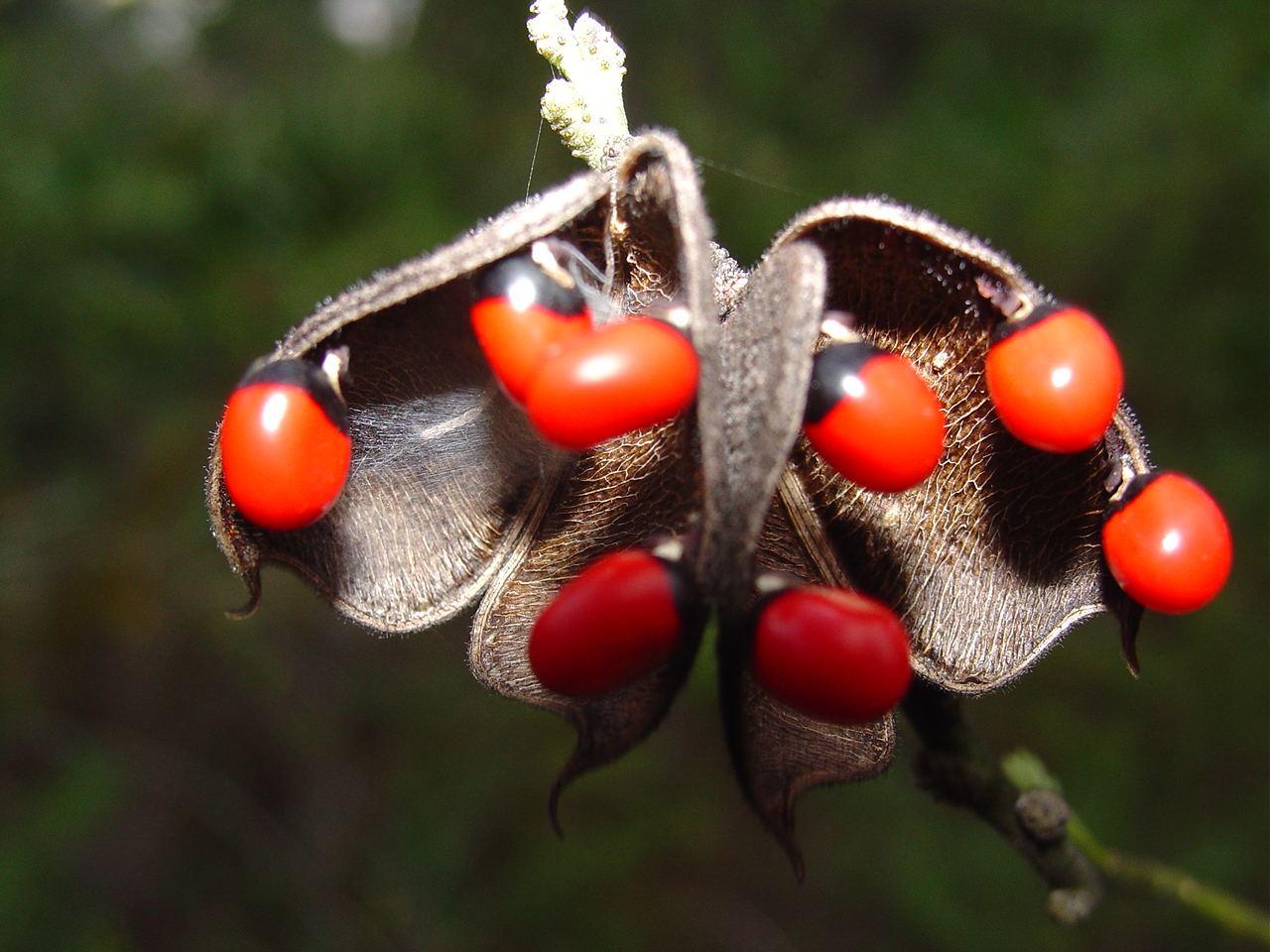
In Rosary Pea, an introduced vine, the seeds are bicolored red and black.

In Rosary Pea, an introduced vine, the seeds are bicolored red and black.


In Blackbead the seed is black with a red partial cloak (called an aril).

In Blackbead the seed is black with a red partial cloak (called an aril).


Hope you enjoyed our visit today.

Hope you enjoyed our visit today.


14 Comments

Posted by on May 30, 2014 in Lancewood, Uncategorized


Tags: , , ,

Stick This in Your Hat and Smoke It

Pipestems, Bogbuttons, Hatpins

Eriocaulon, Syngonanthus, Lachnocaulon

Eriocaulaceae
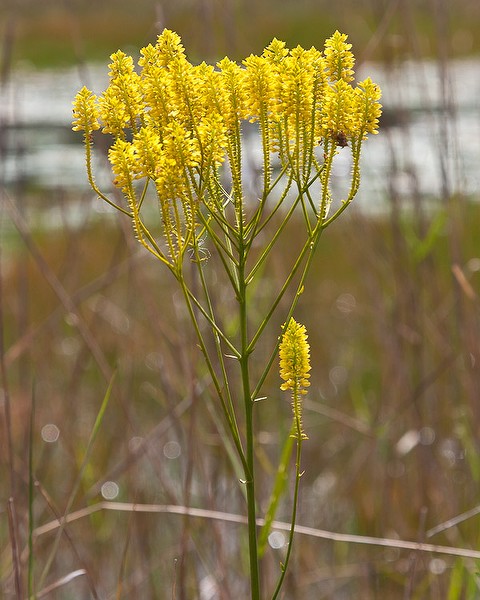
Polygala cymosa was all yellowed-up today (all photos today by John Bradford)

Polygala cymosa was all yellowed-up today (all photos today by John Bradford)


Today under a cloudless sky John and George risked heat exhaustion humping the camera gear required for John’s photo magic down the West Jupiter Wetland Trail near Jupiter, Florida.  It is May and the wet pine savannas and depression ponds are showplaces for the charismatic megaflora:  (pink) Tuberous Grasspink Orchid, (pinker) Bartram’s Rosegentian, Giant White Top Sedges, (white) Sunnybells, (yellow) Colicroot, (yellow) Xyris species, (red) Lanceleaf Milkweed, and the rainbow array of all the Milkwort species.  And wildlife too—a sweaty deer observed us twice, and we passed by a mud turtle laying eggs with turtle-glee in the warm mud.
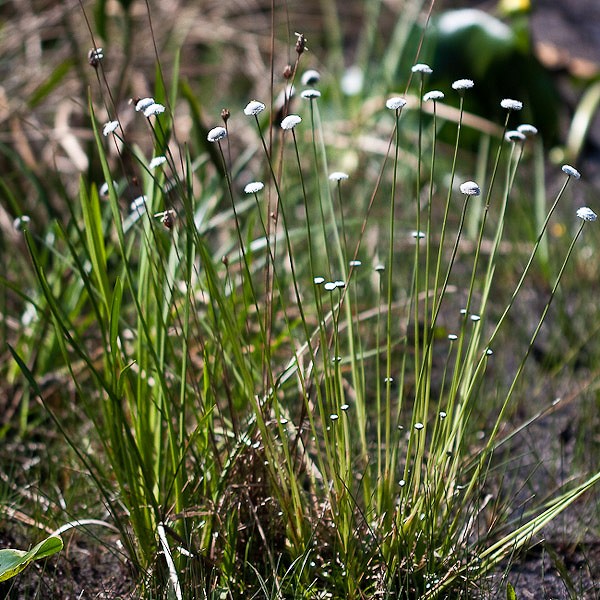
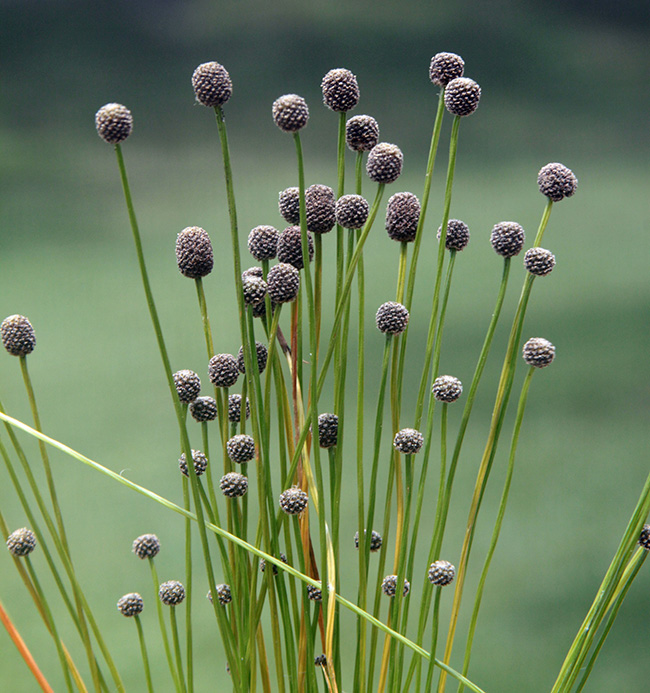
Eriocaulon compressum. Soft head, rounded bractlets beneath.  All Eriocaulons have rectangular air chambers in the leaf and root.

Eriocaulon compressum. Soft head, rounded bractlets beneath. All Eriocaulons have rectangular air chambers in the leaf and root.

So many flowers!  So little time (before heat exhaustion)!  Let’s go with one of the most curious choices:  the species complex variably known as Pipestems, Bogbuttons, and Hatpins.  It is seldom a purpose of our blog to sort out individual species in a related complex, although help with that is added below as a boring appendix for motivated readers.  Within our usual radius of bioactivity, we’re talking about approximately seven lookalike species.  Anyone who wants to apply the various English names pseudo-precisely to individual species is, in my humble opinion, nuts, as most observers see pretty much one “look.”  An uncommon arbitrary common name has low value.

These plants have one of the most sophisticated streamlined looks in the savanna—they look stylish and minimalist like something designed by Apple, the I-Wort.  There are three basic components to the design: 1) a usually white or off-white button on top, 2) a leafless stalk holding the button aloft, and 3) a starburst rosette of tough leaves radiating at ground level from the base of the stalk.
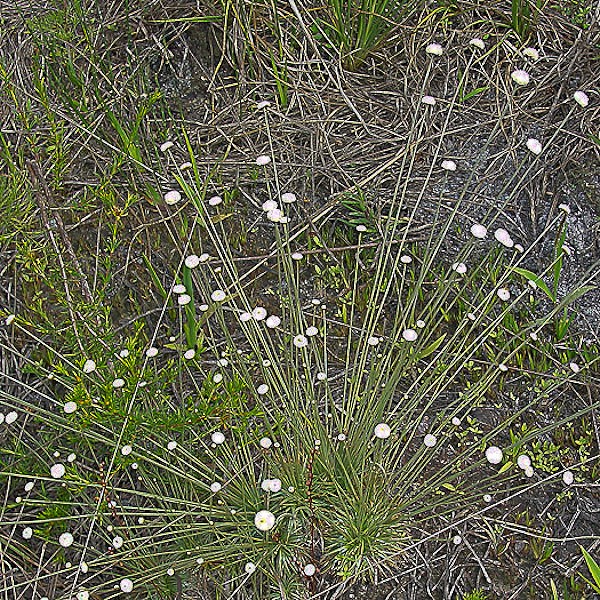
Syngonanthus flavidulus.  The heads have a golden glow beneath, and flower stalk has gland-tipped hairs.

Syngonanthus flavidulus. The heads have a golden glow beneath, and flower stalk has gland-tipped hairs.

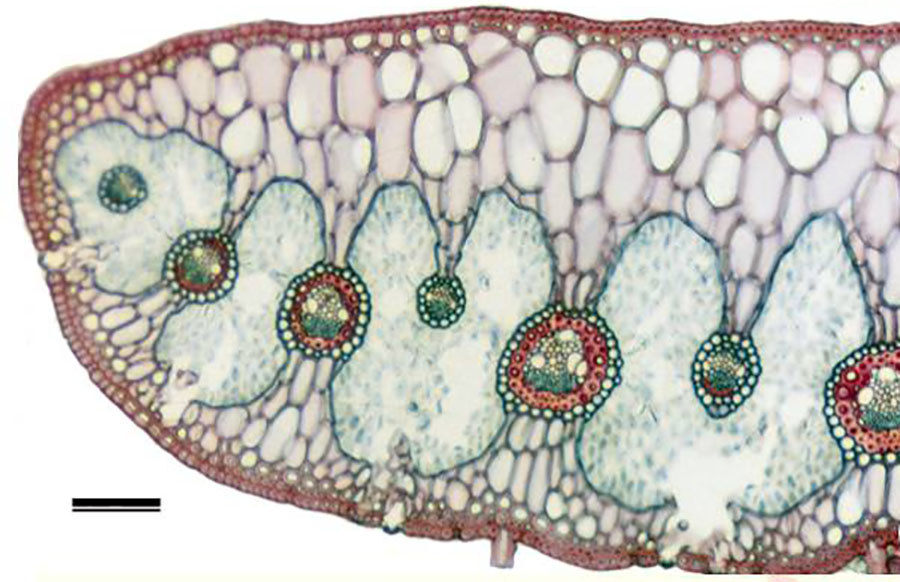
To start at the bottom, the leaves are works of art.  The photo below of a Brazilian Eriocaulaceae by botanist Marcelo Trovó Lopes de Oliveira is elegant.  The photo shows a microscopic cross section of the leaf, that is, a slice, like a slice of salami at Publix.  Here is an indestructible leaf for all occasions.  There’s a tough outer skin made of thick-walled (red) cells covering the photosynthetic layer immediately beneath.  Then comes the good part, with sort of a science fiction cavern look:  vast hollow chambers in the middle of the leaf, with the leaf veins passing though the chambers suspended on one or two narrow vertical braces.   The veins each have their own protective (red) sheath resembling insulation on a wire, and are cushioned, insulated, and air-conditioned from passing fire or beast, and no doubt most importantly blazing sun and heat.  If the plants are inundated or covered by sediments, the leaves have their own ventilation tunnels. Some are so submersion-tolerant as to be aquarium plants. CLICK Look toward the bottom middle of each air chamber—there’s a little tunnel leading to the intake valves, the stomata on the bottoms of the leaves.  They almost seem “engineered.”
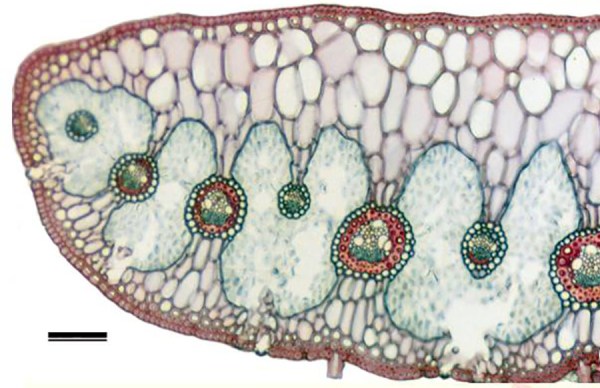
Eriocaulaceae leaf "slice." Microscope view.  Photo credit in text.

Eriocaulaceae leaf “slice.” Microscope view. Photo credit in text.

Now  climb like an ant up the flowering stalk at the center of the plant to the little white button.  That is not a single flower, but rather the Monocot equivalent of the many-tiny-flowered head in the Aster Family.  Beautiful convergent evolution!—two unrelated families “invented” the same flower heads.  And why pack a hundred flowers into a single head resembling a single flower?  Answer (I think):  one insect pollinator visit pollinated 100 flowers instead of just one.  Incidentally, in today’s plants the flowers are mixed male and female in the same heads.

There seem to be indications in the literature of Eriocaulaceae being wind-pollinated.  I (along with most observers) doubt that, at least as being of primary importance, as the flower heads are eye-catchingly attractive, have no apparent wind-pollination adaptations, and most importantly, have glands in the flowers interpretable as nectaries.  The Internet is rich in photos of Pipewort heads with insect visitors.  Here is one of many CLICK.

Although not documented in the U.S., at least one species in Brazil has flower heads able to close up at night, and/or in response to humidity changes.  And speaking of Brazil,  a couple species serve commercially as everlasting cut flowers, which can be dyed in pretty hues, and for their tough wiry stems as “Brazilian Golden Grass.”   Brazilian golden grass is Syngonanthus nitens CLICK.   Visit also CLICK AGAIN.    Whether this heavy harvest is “good” sustainable tropical production, or too destructive remains to be seen, and may depend in part on ecological studies aimed at enhancing the yield.

————————————————————————————————————————————-


Quick and Dirty (and Localized) Identification Guide to Pipestems, Bogbuttons, and Hatpins in our Blog-o-Sphere

(Remember, I’m not even going to try to associate specific English names with individual species…that would be too contrived.)

Eriocaulon

The larger individuals are species of Eriocaulon, mostly Eriocaulon decangulare (2 feet tall, hard flower heads, pointed bracts on the bottoms of the heads) and Eriocaulon compressum (1/2-2’ tall, soft flower head, the bracts rounded).  A third local Eriocaulon is less common, less conspicuous, and less easy to identify.  Eriocaulon ravenalii is usually shorter then about 8 inches, its heads are grayish (vs. bright white), and  small (under 4 mm wide).  This species is confusingly similar tothose below, but it has a giveaway Eriocaulon characteristic:  small cube-shaped or rectangular chambers in the leaves and roots.

Syngonanthus

We have one species of Syngonanthus and its is easy to distinguish:]]]  usually smaller than Eriocaulon, the stalk has glandular hairs, and the button is golden-yellowish beneath.

Lachnocaulon

There are multiple species of Lachnocaulon in Florida.  These are usually the smallest Eriocaulaceae to see locally, but they can overlap in size with Eriocaulon ravenalii or Syngonanthus.    Lachnocaulon species have dark, branched roots, and usually (with important exception, see below)  hairy stalks.   Unlike Syngonantus, the stalk hairs are not tipped with glands.  In our area, three species are particularly likely to cross your path, literally.  The most common, it seems,  is Lachnocaulon anceps.  Its flower heads are fairly globe-shaped, 4-9 mm across, and white or nearly white.  Annoyingly similar is Lachnocaulon minus, which on average is smaller (with overlap), usually has the hairs on the stalk pointing upward (vs. mixed), and has a smaller (4 mm) flower head a dingy brownish color.   A third species, again similar, is Lachnocaulon beyrichyanum.  Its flower head color varies, and is in the size range of L. minus,  from which L. beyrichyanum differs easily by having hairless (or nearly so) flower stalks.  Lachnocaulon engleri has chcolate-brown heads longer then broad, and hairless or nearly hairless stalks. Good luck!
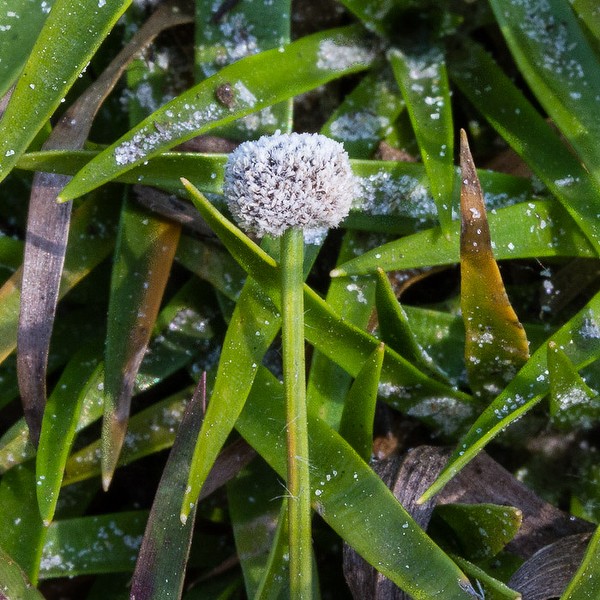
Lachnocaulon anceps.  White head.  Bigger then other local Lachnocaulon species. Disorganized hairs on stalk.

Lachnocaulon anceps. White head. Bigger then other local Lachnocaulon species. Disorganized hairs on stalk.
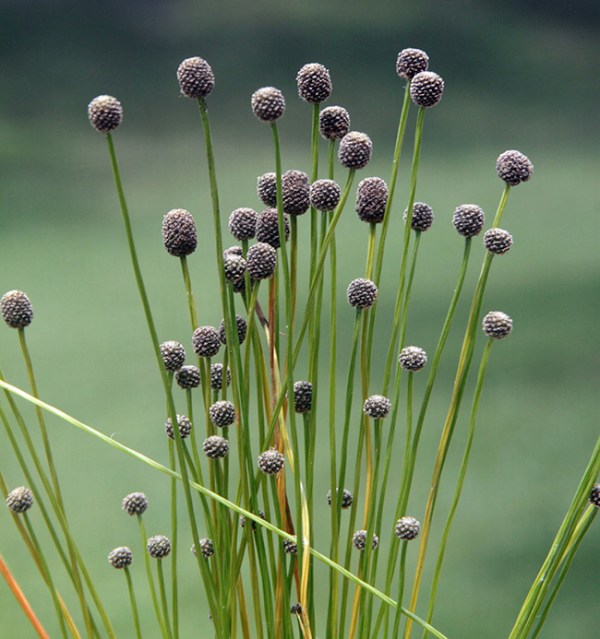
Lachnocaulon engleri.   The stalks are bare, and the elongate heads are chocolate.

Lachnocaulon engleri. The stalks are bare, and the elongate heads are chocolate.

 
10 Comments

Posted by on May 23, 2014 in Bogbutton, Hatpin, Pipestem


Tags: , , , , , ,

Inkberry

Inkberry

Scaevola plumieri

Goodeniaceae

John and George traipsed the dunes on Hutchinson Island near Jensen Beach this overcast morning.  All the beach and dune species were alive with fragrance and color:  Baybean, Beach Sunflower, Coughbush (Ernodea), Railroad Vine, Sea Rocket, Spanish Bayonets, White Indigoberry perfumed like its cousin Gardenia, and more.  One of the showier showoffs was Inkberry,  Scaevola plumieri, a low sprawling shrub of low seaside dunes.

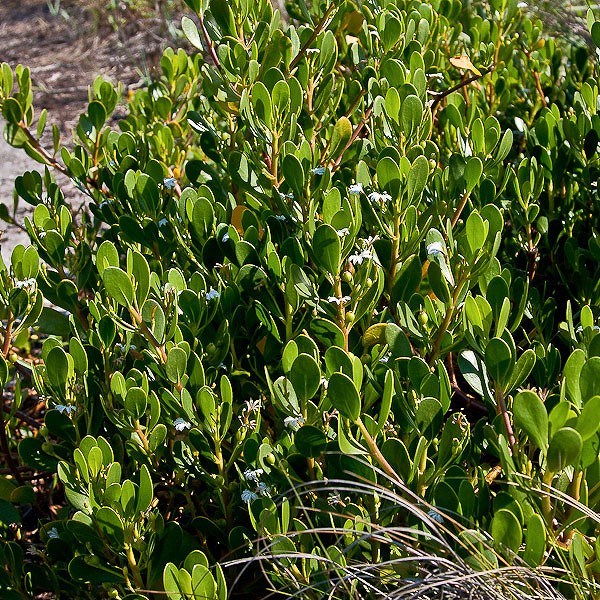
Inkberry on the dunes. All photos today by John Bradford.

Inkberry on the dunes. All photos today by John Bradford.


What’s it doing here!? The vast majority of the 90 species of Scaevola are Australian, with just two species dispersed widely.  An Australian Scaevola encountered in Florida is the garden flower known as Fanflower, Scaevola aemula, and its hybrid derivatives.   We’ll leave Fanflower and it cultivars  to the garden blogs.

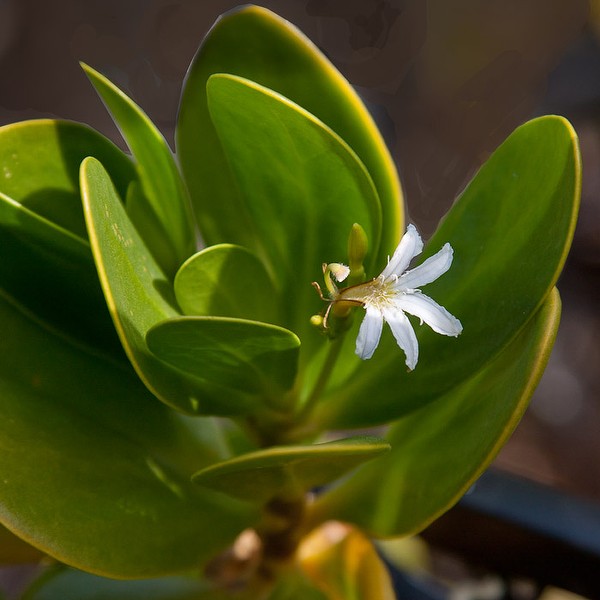
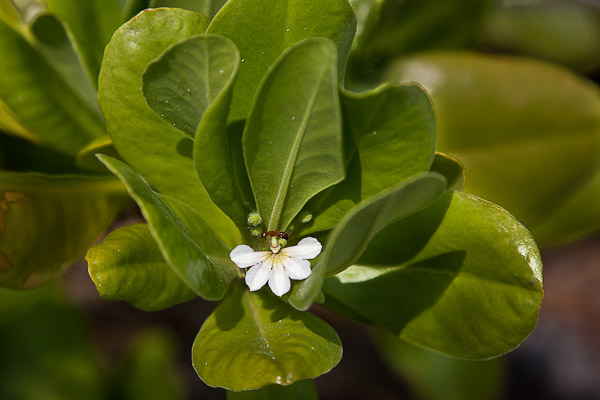
Inkberry flower

Inkberry flower

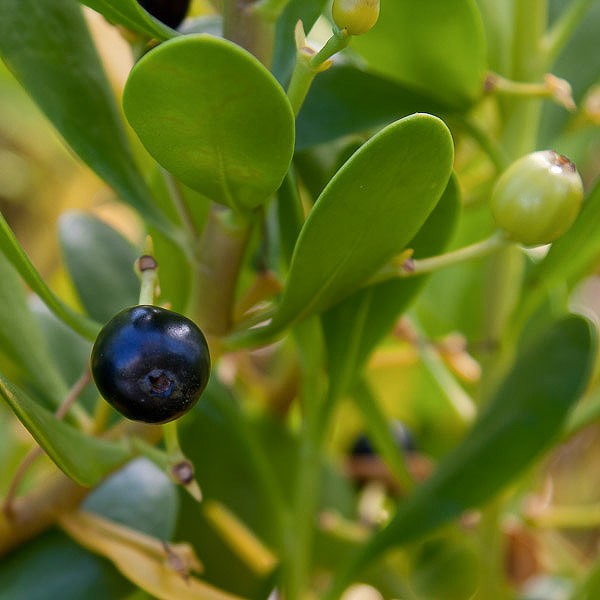
The two widely dispersed species are our own native Scaevola plumieri around the tropical Atlantic from Florida through the Caribbean to Africa, and into the Indian Ocean on Sri Lanka where it reappeared recently after decades of presumed extinction.  The fleshy purple-black inky fruits seem to owe their transoceanic dispersal to flotation and to sea birds.   The lopsided split flowers remind me of Lobelias.

Inky inkberry

Inky inkberry

The other widespread species, Scaevola sericea (aka S taccada), prefers the tropical Pacific, including Hawaii where it is native and important in landscaping.  Scaevola taccada meets S. plumieri in the Indian Ocean.

And the two meet again in Florida where S. taccada (Beach Naupaka) is an invasive exotic escaped probably from landscaping.  It fruits are white, as opposed to the black Inkberries, and its leaves are curled as opposed to the flat leaf blades in Inkberry    Fruits of Beach Naupaka reportedly last at least a year in seawater.
Beach Naupaka, the invasive exotic species, with curled leaves.

Beach Naupaka, the invasive exotic species, with curled leaves.

How plants get their names is always fun to know, especially when rooted in drama.  Scaevola flowers look like half is missing, as I might after removal of an arm.  The original Scaevola (Latin left-handed) was a Roman originally named Gaius Mucius sentenced to death by the nasty Etruscan invaders around 600 BC.  To show a little contempt of court, Gaius thrust his right hand impudently into flames.  Ouch!  And he went down in history as the world’s first famous southpaw.

You may experience a burning sensation

You may experience a burning sensation

 
20 Comments

Posted by on May 16, 2014 in Inkberry


Tags: ,