Winged Sumac
Rhus copallina
Anacardiaceae
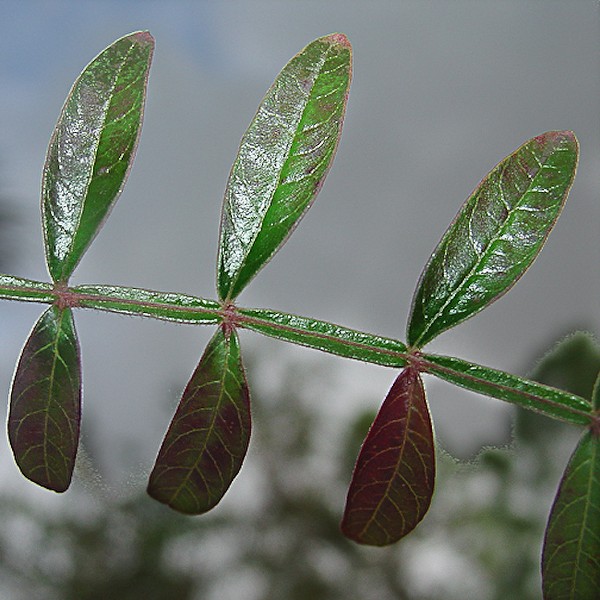
The wing on winged sumac. All of today’s photos except the tanned hide are of winged sumac, by John Bradford.
If you moved to Florida from points north and miss fall color, winged sumac offers a little reminder of North Carolina in October. Fact is, you could even know winged sumac from northern exposure, as it grows all the way from Cuba (probably cultivated) through Florida into Canada. Northern plant nurseries sell horticultural cultivars of it. The species is a small tree or a shrub with distinctive compound leaves having a wing running up the middle. They make pyramids of small white flowers, usually but not always on separate male and female individuals. The fruits are small red “berries” for the birds.
Around our area we mostly enjoy winged sumac in sandy areas, often at an interface between grassy meadow and woods, and that may not be entirely coincidental, as sumacs serve as steppingstones in ecological succession: Limited research shows winged sumac to specialize in bullying low grassy vegetation by poisoning the competition with natural herbicides, and altering the habitat in ways that favor woody plants, especially itself. Winged sumac can form massive clumps, as it smites its foes and spreads by underground rhizomes.
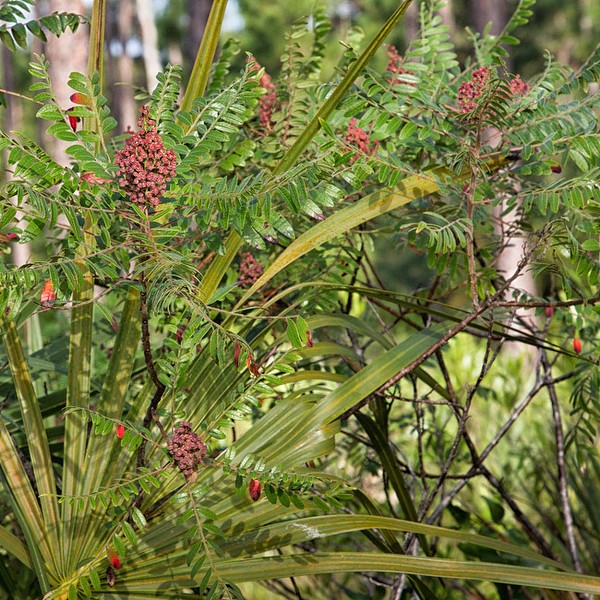
Fruiting tree
Sumac bioactivity isn’t limited to squelching weedy competitors. Species of sumacs around the world have big histories in traditional medicines for more ailments than Uncle Tree could shake a twig at. And out of that medicinal swirl comes a current point of interest. Extracts from Sumacs can induce apoptosis (cell suicide) in human cells. This is the sort of reason I’m no fan of gobbling the wild plants. Yes, a lot of people in varied cultures make spices and beverages from sumac fruits. As a Boy Scout, 1960-something, I drank Sumac “lemonade.” Of course that lemonade comes from the same genus as poison sumac, and some botanists at least historically classified poison ivy in the same genus as Sumac. I do not know the chemistry but would not be 100% surprised to learn that Winged Sumac might contain a little urushiol, the transdermal irritant so familiar to poison ivy victims. In the same family, mangoes and Brazilian Peppers are allergenic to some victims. Here we find also poisonwood.
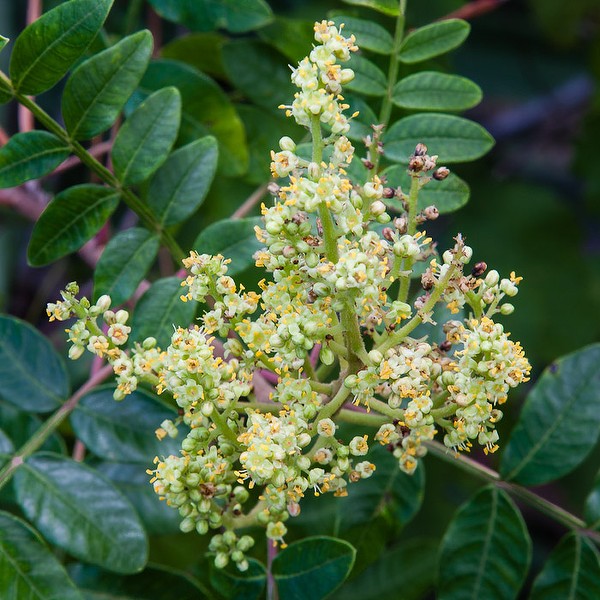
Flowers
The most interesting bioactivity of sumacs is their tannins. Tannins are natural substances present in many or most plants, but some plants are more endowed than others. Tannins are plant defender compounds that bind up proteins. If you want to stop a bug from bugging you one approach is to tie their oral-digestive proteins in knots. You get a taste of that medicine when you bite a green apple—loaded with tannin–and your spit turns to glue. Plants sometimes produce tannins in response to insect attack, and plants also produce galls in response to attack, or in response to eggs laid by insects into the plant tissues. Galls are thus sometimes rich in tannins, including the “Chinese Gall” marketed as a medicine and perhaps for leather-tanning. It grows on Chinese sumac in response to aphids.
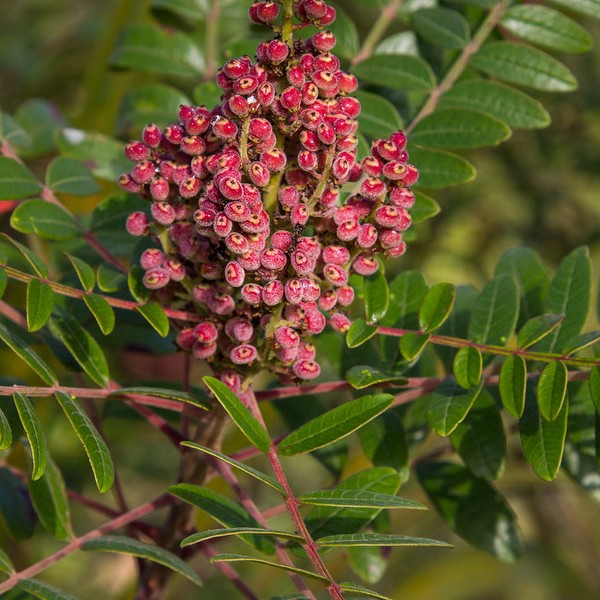
The fruits
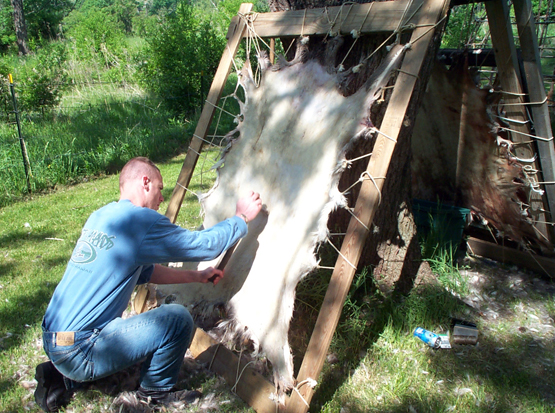
Tannins tan leather primarily by binding the collagen proteins in the skin, improving the texture and making the protein resistant to decay. Sumacs have served or tanning leather in varied cultures from Asia, through Europe and in North America. Before the day of blogs, sumac-tanned leathers were preferred by bookbinders. They are still in use, for example CLICK HERE. I heard a teacher say the name sumac to come from “shoe-make,” which makes fun sense but is probably not the case, as the name more likely dates to ancient Arabic origins. The species Rhus coriaria owes its name to shoe-makers, as coriaria comes from the Latin term for leather.
 John Bradford
 George Rogers
 George Rogers
 Dee Staley
 Treasure Coast Natives
