RSS

Tag Archives: grass

The Wonderful Images of Grass

Grass Family

Poaceae

A number of years ago George and John started taking a close look at the some 200 species of grasses  which are found in our neck of the woods.  This project led to spending many hours in the field collecting specimens and many hours in the lab studying the specimens.  A lot of this work was done with a loupe (hand lens) and/or a microscope since the key to a positive ID is close examination of the spikelet – the smallest readily identifiable part of the flowering part of the grass.  As the work progressed, I started photographing the spikelets.  And the more I photographed them, the more I came to love their many shapes and textures.

Some grasses have diverse “bristly” coverings and protrusions.  Perhaps most familiar to any beach goer are the nasty “sand spurs” formed by Cenchrus.  These burrs are spikelet clusters provided with wicked barbed spines.  The spine impales your toe and your toe disperses the species.  They also protect the fruit from predators, as no right-minded creature would eat these seed coverings.
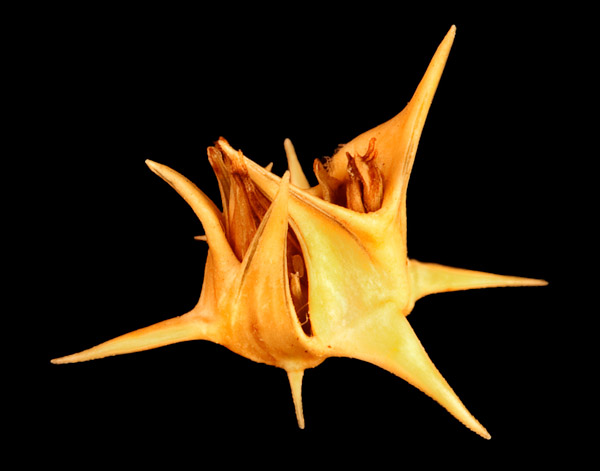
Coastal Sandbur (Cenchrus spinifex)

More diverse are awns.  These are needles attached to the tips of glumes or lemmas (or occasionally to other structures).  Awns range from microscopically small to multiple inches long.  They are common in a large number of species.  The functions are diverse.  They help break the spikelet apart by catching wind, rain, or creatures.   They can help orient, lodge or embed (plant) fallen spikelets.  Some awns twist and move in responses to humidity changes, suggesting limited ability to “screw” into the sandy soil.
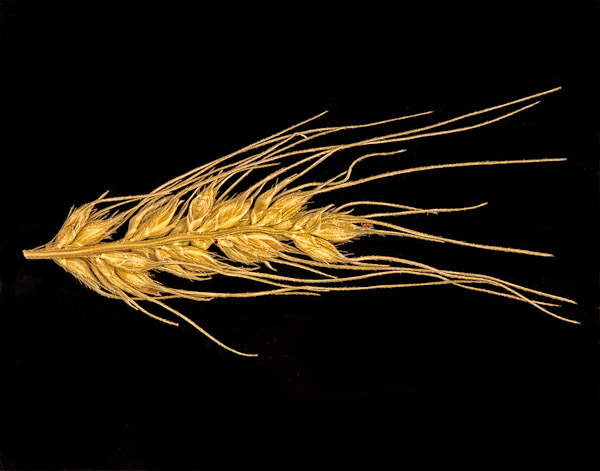
Coast Cockspur (Echinochloa walteri)
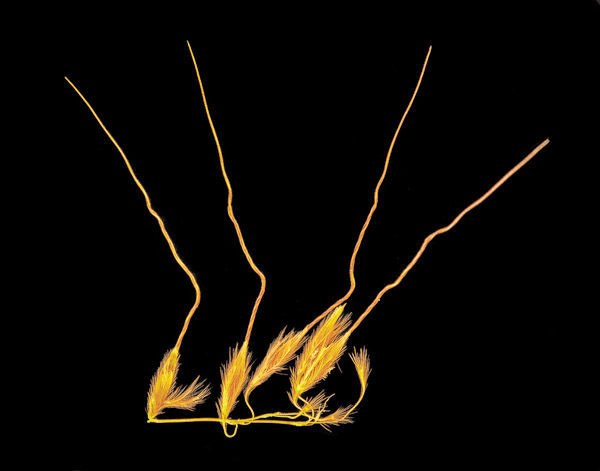
 

Lopsided Indian Grass (Sorghastrum secundum)


The plant world is full of seeds on parachutes, and  grasses are no exception.  Several species have fuzzy or cottony parachutes on their spikelets.
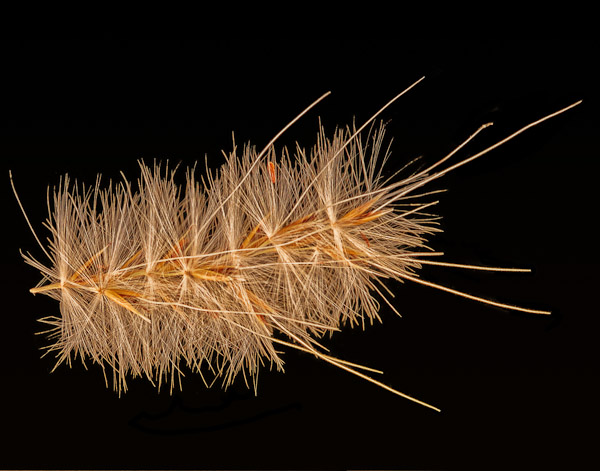
Sugarcane Plume Grass (Saccharum giganteum)


And finally one that large and flat so that it can be carried by the wind or ocean currents.
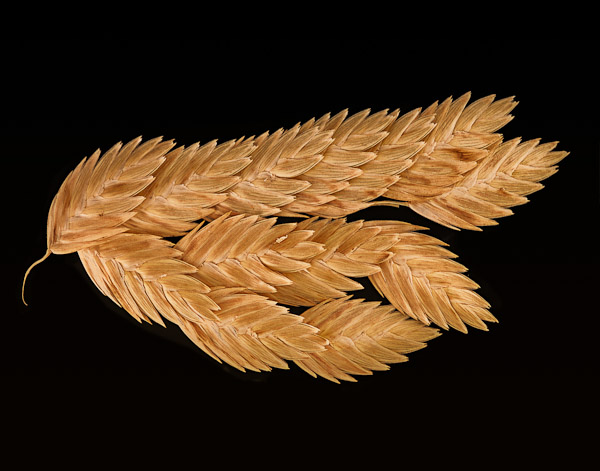
Sea Oats (Uniolata paniculata)


If you liked seeing these images you may enjoy this short video on the shape and texture of more grass spikelets.  http://vimeo.com/36310464

For more information on grasses, sedge, and rushes visit our website: http://floridagrasses.org/
 
Leave a comment

Posted by on February 8, 2012 in Grass


Tags: , , , , , ,

Underground Botany: Hidden Flowers and Buried Fruits

What do Innocence, Blue Maidencane Grass, Bog White Violet, and Beach-Peanut have in common? Hint: Look at the title of the post. They all have “funny” flowers and fruits doing things you don’t expect where you don’t expect them.

Houstonia procumbens 2

Innocence

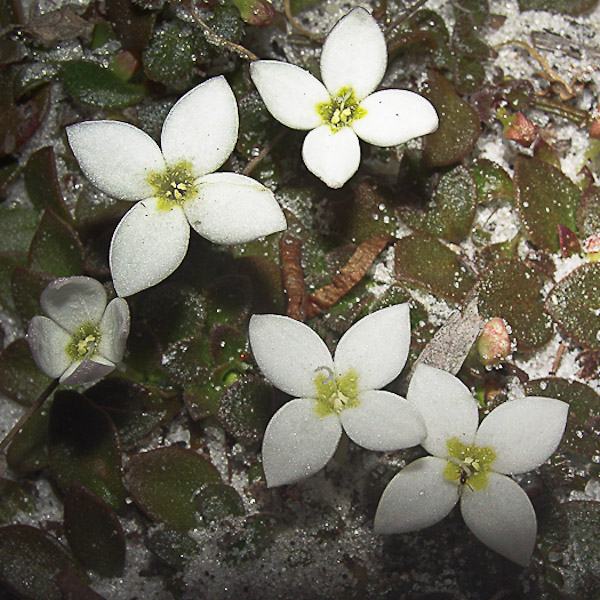
Innocence (Hedyotis procumbens) is a petite member of the Coffee Family (Rubiaceae) related to the Bluets familiar to readers with more northern exposures. In South Florida the species turns up on sun-baked dry sugar sand in scrub or near-scrub habitats. The small white flowers often appear to spawn directly on the sand, as the vegetative plant body is low, trailing, and frequently more or less covered with sand. After flowering, the flower stalk bends earthward burying the developing fruit protectively for subterranean maturation. To be speculative, it looks like ants might disperse the resulting fruits and seeds. And there is more to the story: Innocence is not so innocent. In addition to the showy flowers, it hides secret inconspicuous flowers underground. These either self-pollinate or do not require pollination, and they produce fruits without seeing light of day. Such flowers are a “back-up” on the sexual process and are called cleistogamous (kleist-OG-ah-mus) flowers. Cleistogamous comes from Greek for, roughly speaking, “hidden husband.”

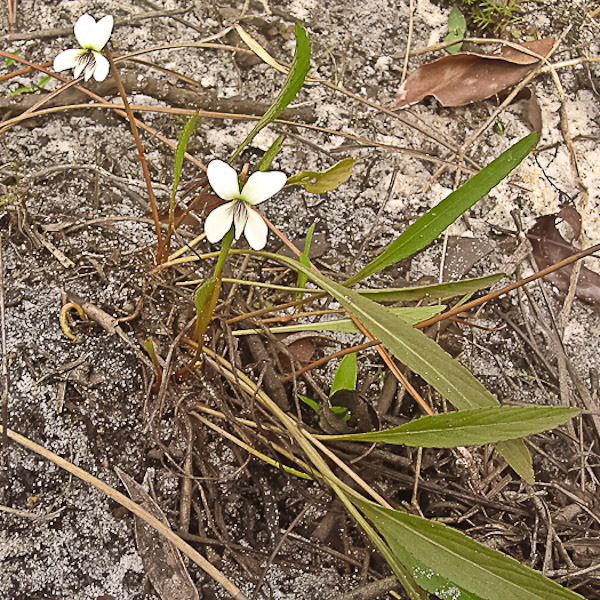
The most famous owners of cleistogamous flowers are violets, and our native Bog White Violet (Viola lanceolata) is no exception. Look for the hidden flowers or the resulting fruits near the base of the plant.

Bog White Violet

Bog White Violet

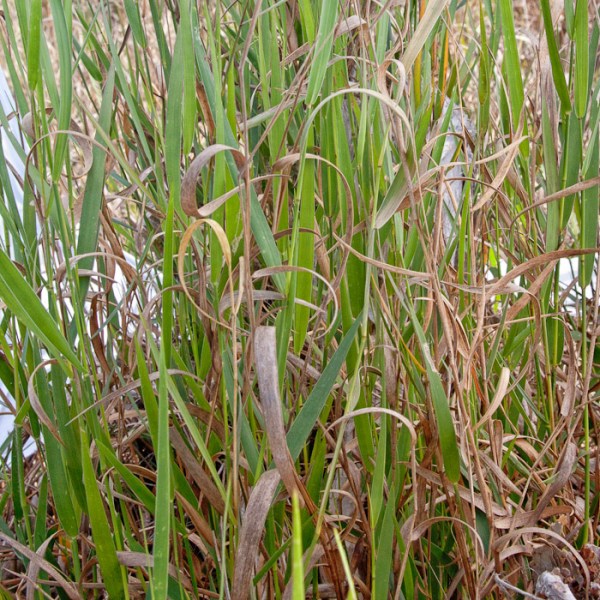
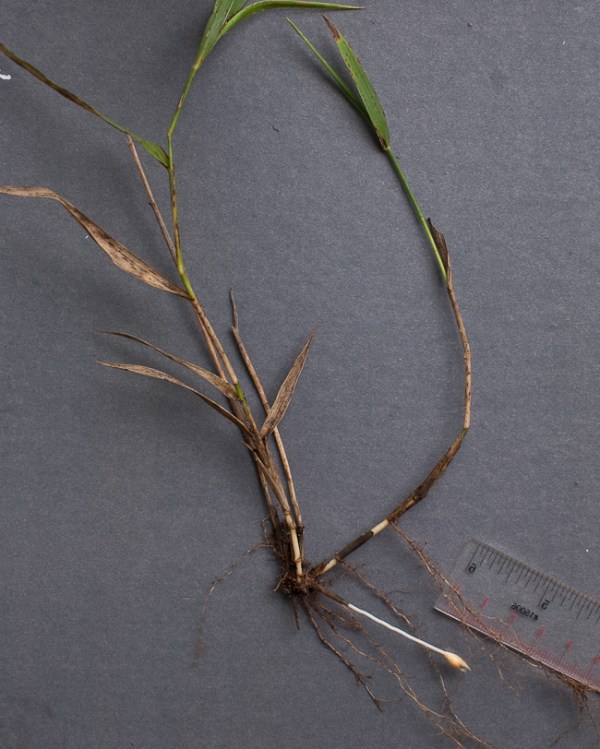
A more surprising case is the grass Blue Maidencane (Amphicarpum muhlenbergianum, see http://www.floridagrasses.org). Amphicarpum translates as “fruits on both sides“, in this case, both sides of the ground surface. In addition to normal (chasmogamous) flowers and fruits in the sunshine, cleistogamous flowers in the rhizome make buried fruits. John and I saw these first and most easily in an area rooted up by feral hogs.

Blue Maidencane

Blue Maidencane

Blue Maidencane Buried Fruit

Blue Maidencane Buried Fruit

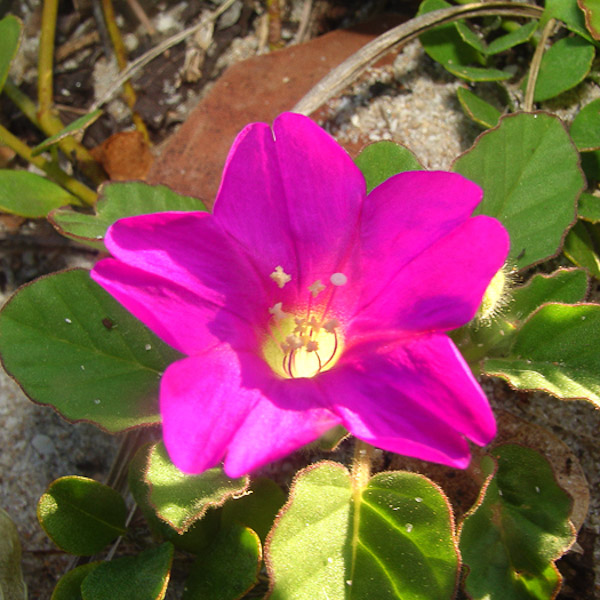
Buried fruits are hidden from some menace, and what could be more menacing than clinging to life on Florida seashores and seaside dunes. You can guess now how Beach-Peanut (Okenia hypogaea) got its name. Not for being a type of goober. The Beach-Peanut is no legume, but rather a member of the Four O’Clock Family (Nyctaginaceae), as you might guess from its vibrant floral display. The prettiest flower on the beach buries its fruits in the sand on a downward peg potentially mistaken for a root. It too produces cleistogamous flowers, but the relative roles of the cleistogamous flowers and showy flowers remain poorly studied.

Beach-Peanut

Beach-Peanut


Tags: , , , , , ,