Wild Rice (unrelated to true Rice)
Zizania species
Poaceae
Thanksgiving weekend so field trip deferred, but no loss; our blog friend Sally Brodie suggested filling the gap with the seasonal topic of wild rice. That is a wonderful idea, having grown up with a Minnesota-native grandfather and wild rice served with memories of harvest by canoe. Moreover, within the spirit of our native plants blog, one species is native to Florida, although north of our usual explora-zone which is why the only picture is a link CLICK.
Most classifications recognize four WR species. The whole quartet winds up served with gravy, and the main grain is Zizania palustris, a native blessing to the Great Lakes Region and much of Canada. The historical harvest is centered in Minnesota, although California has become the national cultivational epicenter, at least if the Big Drought has not changed things. Scattered other countries have their own WR farms.
Southern Wild Rice, Zizania aquatica, ranges from the Great Lakes Region southward to the Atlantic and Gulf coasts. This is the Florida representative.
Ho-hum, no surprises so far, but here come two Zizania zingers:
Surprise #1: Zizania texana is a federally listed endangered species surviving only on the San Marcos River in one Texas county. Preliminary research suggests this isolated population oddly to be more closely related to the Asian species—stay tuned—than to the other two North American species. It seems to have two survival challenges…ecotourists on inner tubes and hungry non-native Nutria, both drawn to the spring-fed habitat.
Surprise #2: The fourth species, Zizania latifolia, resides oceans apart from its three American cousins. Manchurian Wild Rice extends from Russia and India to Japan and Korea. This big ornamental grass has become an invasive pest in New Zealand. Having a gourmet factor, Manchurian WR is tempting to cultivate in favorable climates, including in the U.S., but is banned with prejudice due to a fungal partner potentially able to render American wild rice populations sterile. After all, imported Chestnuts brought us the Chestnut Blight.
Although historically important as a grain, especially in China, Manchurian WR has become rare outside of cultivation and has lost its favored-grain status. Down on the farm it is a stem vegetable happily infected with a smut fungus known as Ustilago esculenta. (Esculenta means edible.) The fungus softens and thickens the stem to a rotted tasty treat, and makes the plants sterile, propagated by rhizome segments. Wild Rice is not the only grass gourmets like to eat infested. Corn plants stinko with the closely related Corn Smut Ustilago maydis become ruined crops or become the Mexican delicacy huitlacoche, depending on your outlook.
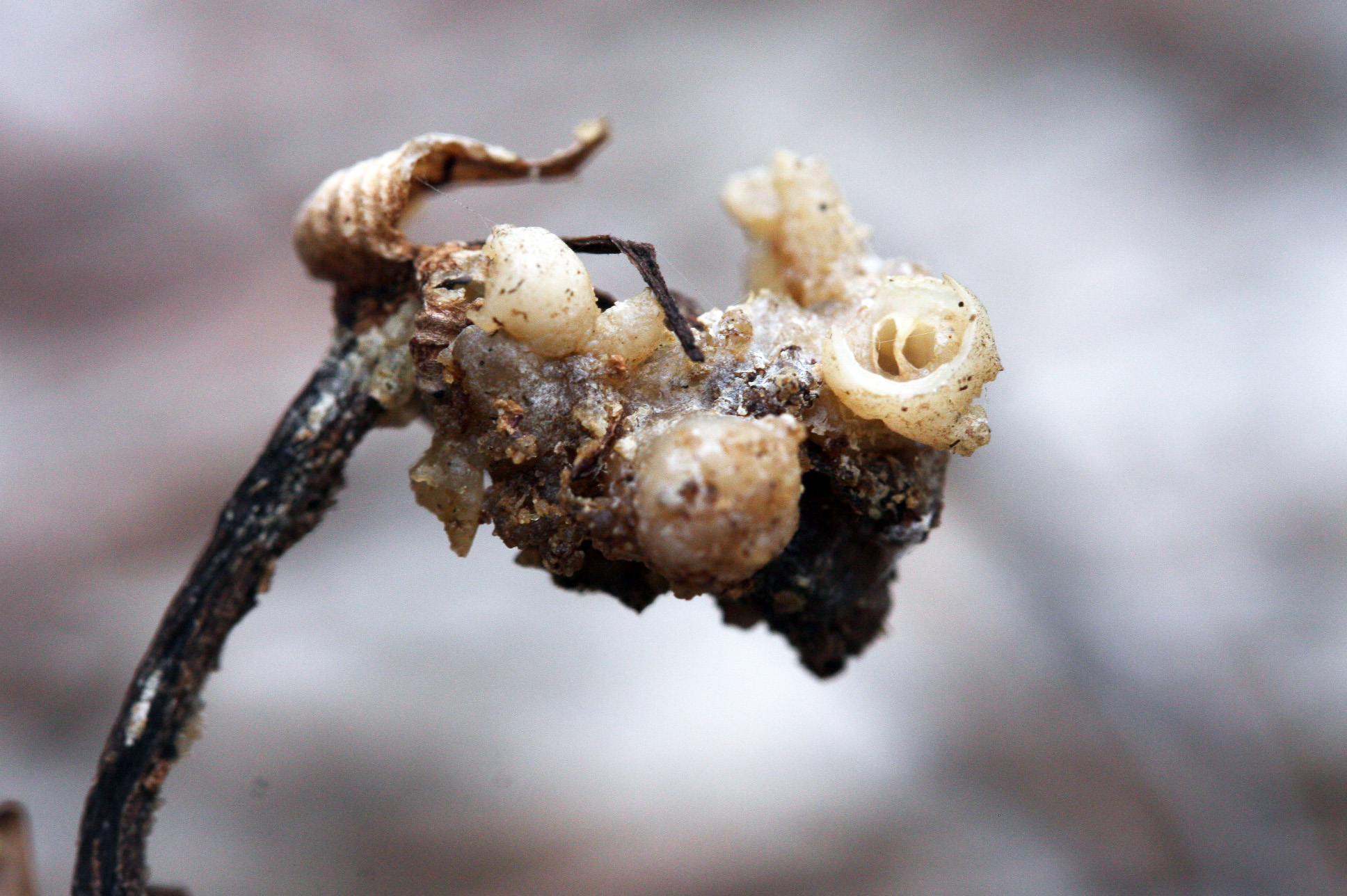
Infected flower head on Sagittaria. Sagittarias suffer from smuts, although I am not sure if this infection qualifies. Like a good smut, it “goes for” the ovaries.
To extend the smuttiness to other local species: Smuts specialize on Monocots, most famously grains, often invading the ovaries and seeds. Some turn up conspicuously on local wildflowers such as on Inundated Beak Sedge (Testicularia cyperi, see end-note), and on Sagittaria.
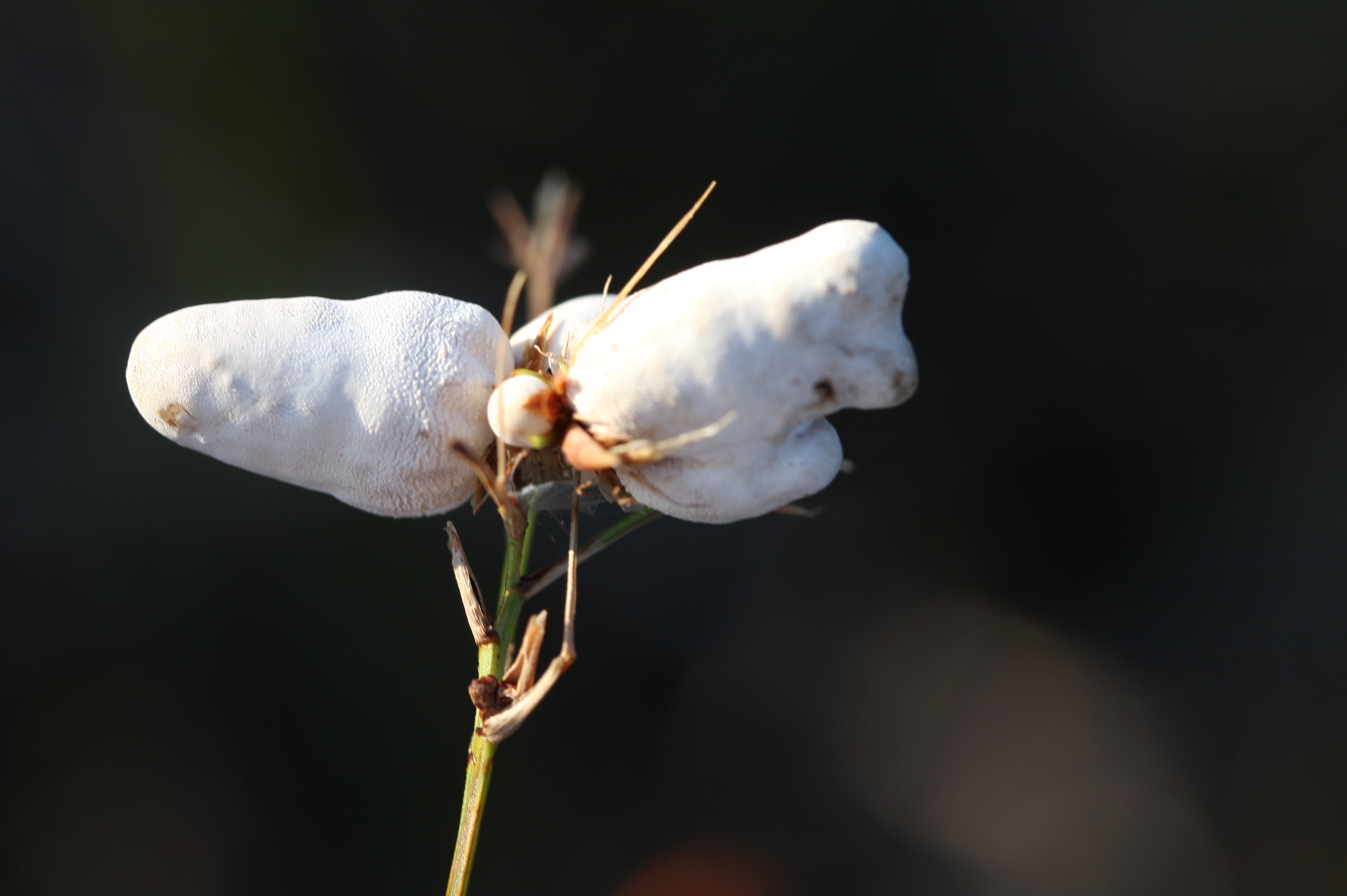
Testicularia cyperi smut on Inundated Beaksedge.
A big invasive African grass in our area, Guinea Grass, has its own Ustilago, most studied in South Africa as a suspect in the sheep disease “Dikoor.” An apparent smut disfigures Guinea Grass here too, perhaps the same fungus among us?
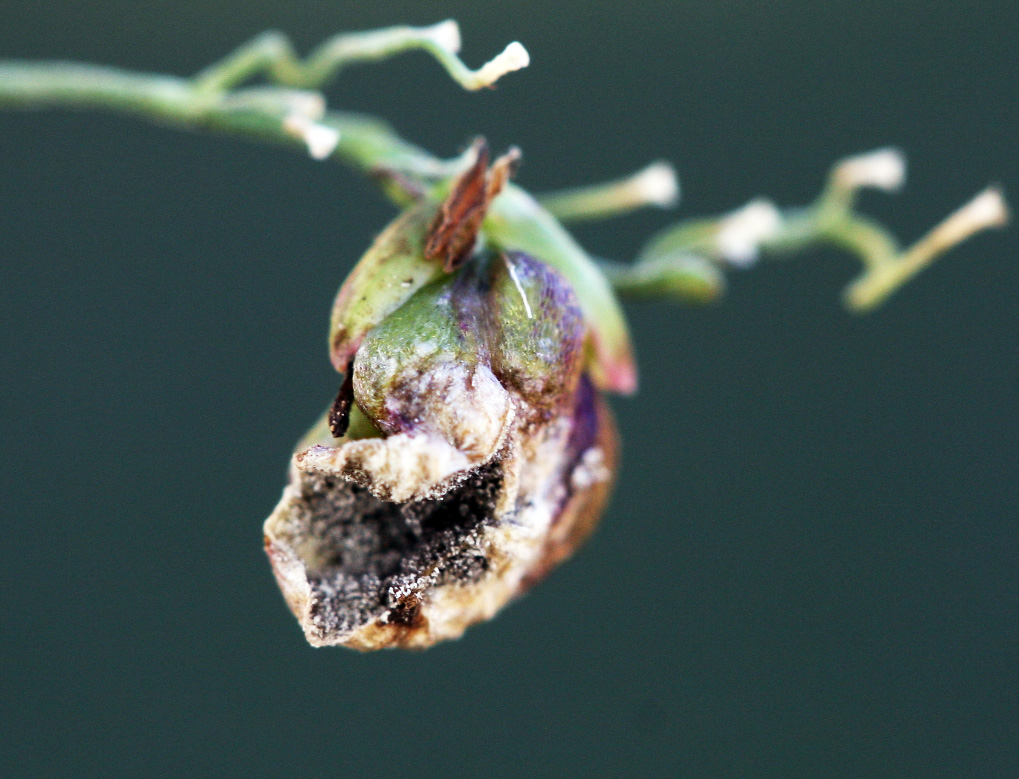
Guinea Grass seed head with apparent Smut fungus. Could this be the Ustilago responsible for the veterinary problem Dikoor?
Note: John B. took a convincing look into the Rhynchospora smut ID, but the Sagittaria and Guinea Grass infection identifications are inexpert quick suspicions added for decoration and for interest.
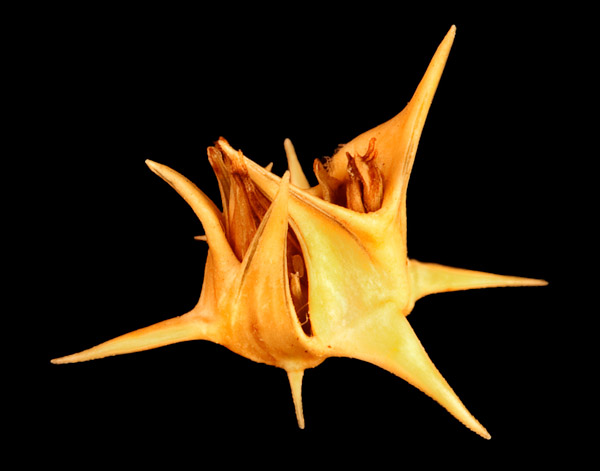
 John Bradford
 George Rogers
 George Rogers
 Dee Staley
 Treasure Coast Natives
