Sabatia decandra (S. bartramii)
(Sabatia honors Liberato Sabbati, an Italian botanist. Decandra refers to 10 stamens. William Bartram was a brilliant 18th Century plant explorer in Florida and other states, artist, and eloquent writer whose (father’s) garden you can still visit in Philadelphia.)
Gentianaceae
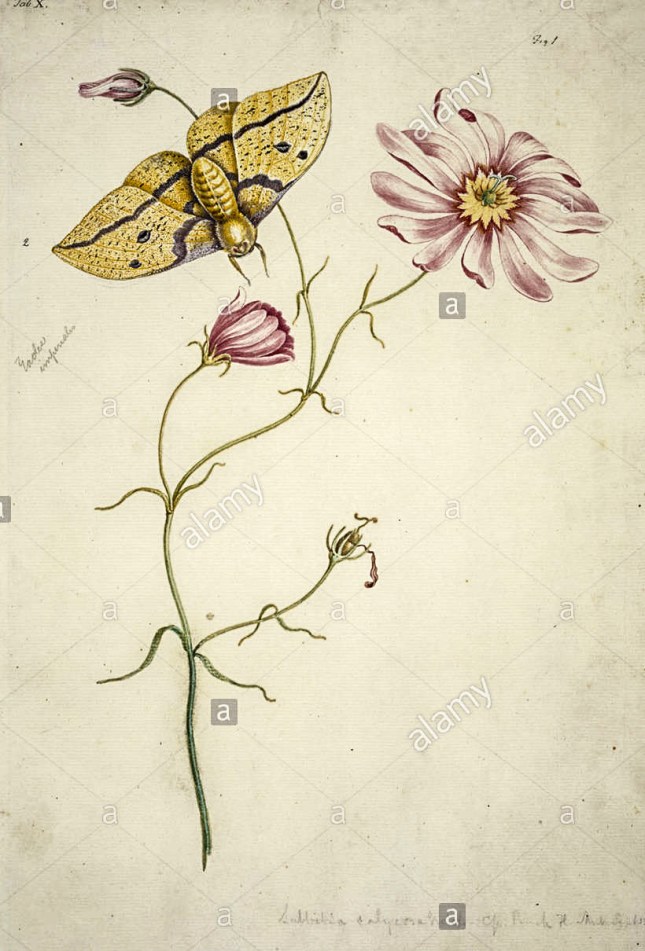
By William Bartram
Sometimes all it takes is good looks. Try to find a more magnificent wildflower than this. Shocking pink with a yellow star! Anyone need a logo? What pollinator could resist? This floral celebrity has a web presence bigger than Beyonce!…with the same info over and over, so the trick here is to find something new. Will do.
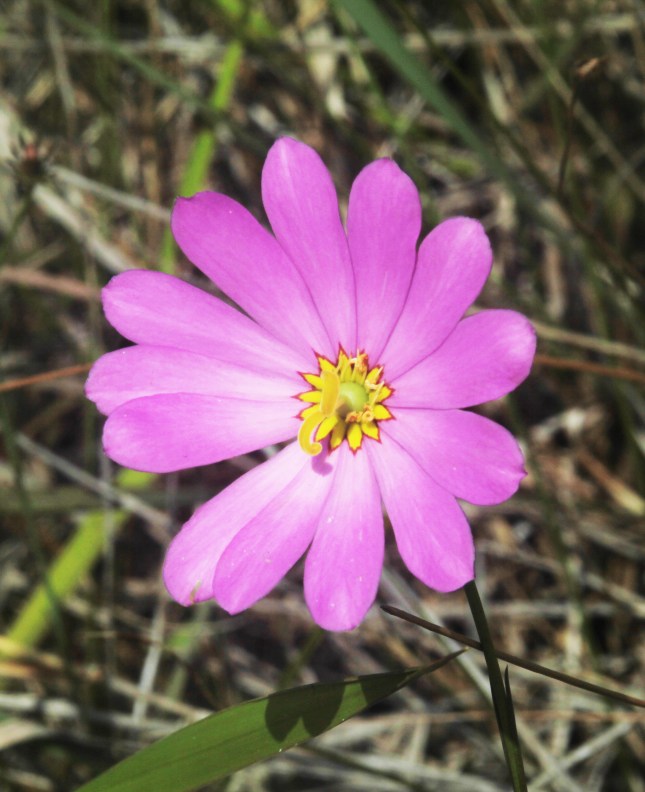
By John Bradford
Sabatia is a genus well represented in Florida by a dozen species, all of them pretty, generally not cultivated however, probably due to finicky habitat requirements. Today’s species beautifies wetlands in the Southeastern corner of the U.S. Descriptions call it a biennial, and I’m not saying it isn’t, but I’m not sure that is the whole truth and nothing but the truth.
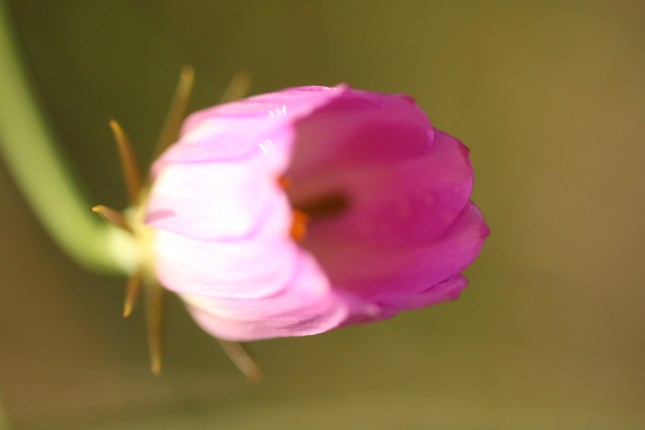
It looks like a biennial in the sense that it rises from a basal rosette like a standard backyard weed biennial. However, the species grows in seasonally inundated places so if the rosette sits around a year, it is sitting underwater half the year. I think the rosette and the flowering top can rise in the same year. Another wet-dry plant with a similar slightly succulent rosette is Brookweed, Samolus ebracteatus.
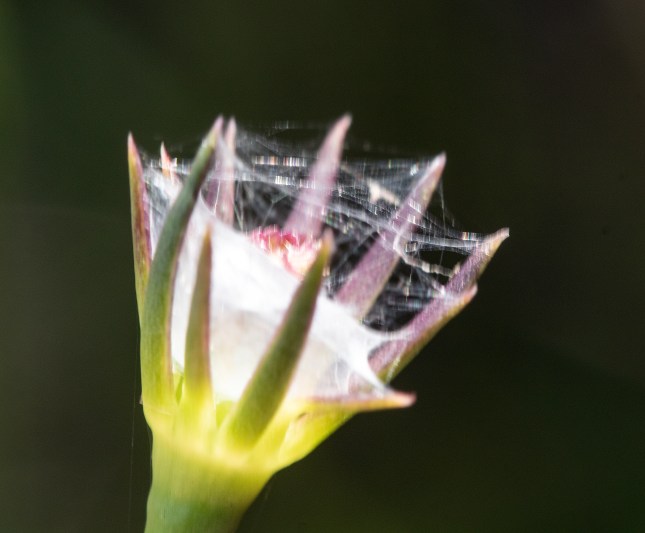
The bud is a perfect frame for a web. Many of the buds are inhabited. I wonder if that helps protect the flower.
I promised something new and here it is. Species of Sabatia, and dramatically S. decandra, have a system to force cross-pollination, first functioning as male then later becoming female. As the flower opens, the pollen-producing (male) stamens get busy dusting pollen onto floral visitors. At the same time, the pollen-receptive (female) stigma is twisted and flattened horizontally as removed from the pollinator action as possible.
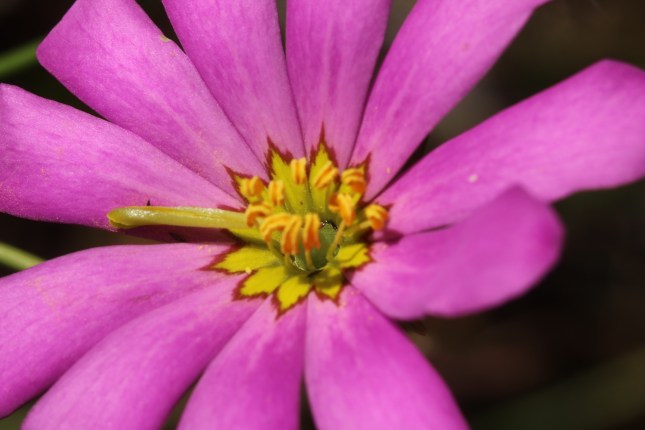
Male phase…the female stigma and style are flattened out of the way on the left.
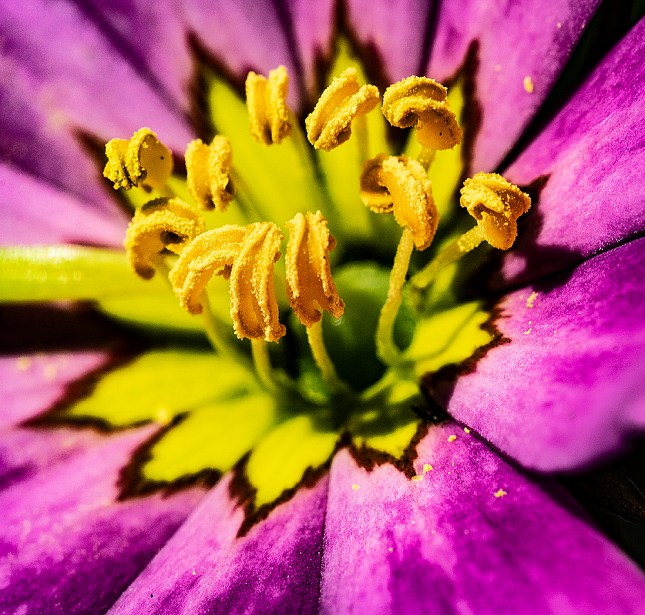
Stamens…male phase
After the pollen release time, the stamens commence senescence. Then the patient stigma untwists, rises upright, and takes on a Y-shape to celebrate pollen-reception time as the stamens fall apart..
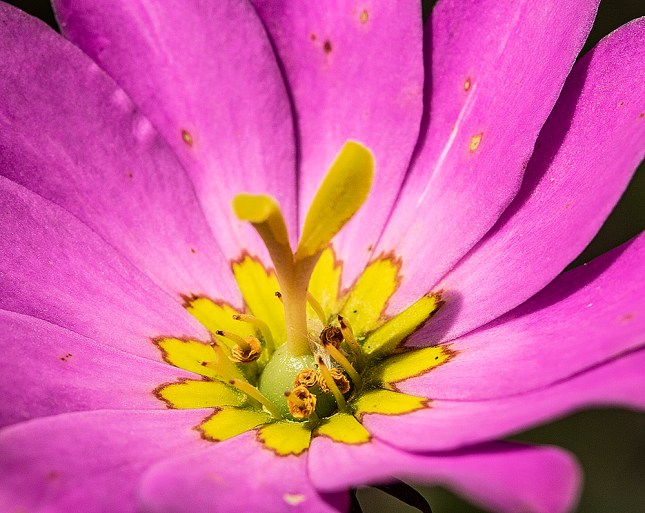
Female phase…the stigma now upright looking like a Y, the stamens falling away.
 John Bradford
 George Rogers
 George Rogers
 Dee Staley
 Treasure Coast Natives
theshrubqueen
May 24, 2020 at 4:20 pm
Gorgeous images and exciting pollination news. What is this male female thing called??
George Rogers
May 24, 2020 at 6:48 pm
male = stamens female = pistil (style and stigma)
theshrubqueen
May 24, 2020 at 8:11 pm
Not even hermaphordite??
George Rogers
May 25, 2020 at 3:22 pm
yes…in botanyspeak, perfect” flower
theshrubqueen
May 25, 2020 at 4:59 pm
Last botany class 1980! been scratching my head over the Papaya flowers for a while..
Jenifer
May 25, 2020 at 8:05 am
Another great presentation!
George Rogers
May 25, 2020 at 3:23 pm
Thanks!!
Annie Hite
May 30, 2020 at 10:11 am
Bartram’s book about his travels is fairly easy to read (given the century in which it was written!), fascinating and, just in case your followers aren’t aware of it, it’s available at the library.
George Rogers
June 3, 2020 at 7:25 am
Thanks Annie…sometimes I forget to try the library! It is available to read online as well,
https://docsouth.unc.edu/nc/bartram/bartram.html
Sabrina Carle
May 30, 2020 at 3:16 pm
Interesting! Thank you! They are so beautiful right now!