Cirsium horridulum
Asteraceae
John and George last week explored a low pine woods with marshes, ponds, and Sandhill Cranes in the West Jupiter Wetland. The site was a floral showplace of White Violets, Pineland Daisies, Yellow Sneezeweeds, Orange Milkworts, and more in colorful bloom. The trailside all-stars were native Purple Thistles, Cirsium horridulum.
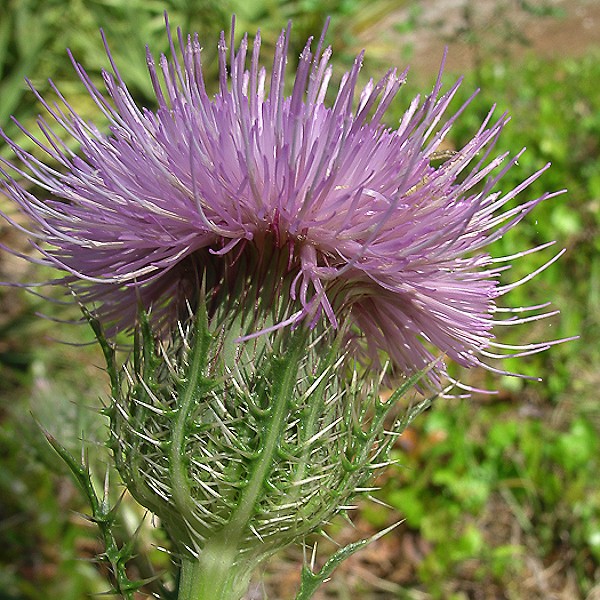
Cirsium horridulum (by JB)
Nothing could be less horrid than this proud wildflower. (The “horridulum” presumably relates to the thorns on the foliage and on the bracts under the flower head.) Thistles are especially happy plants for me, evoking childhood memories of bike rides, railroad tracks, and cows in the pasture.
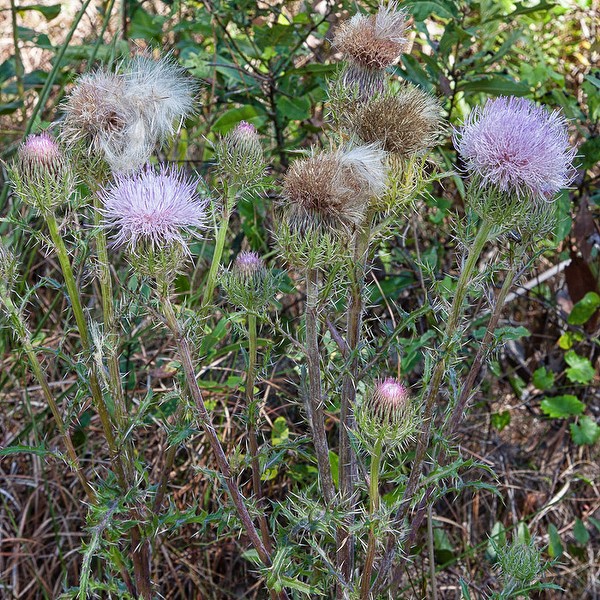
Purple Thistle (by JB)
The broad term “thistle” embraces several thorny members of the Composite Family. The name is ancient, as are writings about thistles. They’re the symbol of Scotland, according to lesson, due to the painful spines tipping the fate of battle. You can scarcely find a plant group applied medicinally in more ways. Uses include treating swollen veins, controlling blood sugar, and relieving gastrointestinal discomforts.
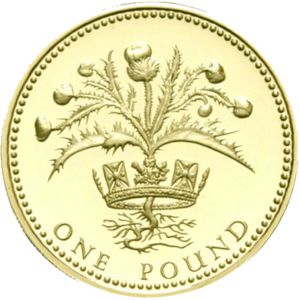
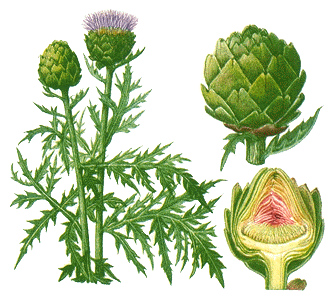
Thistle uses extend beyond medicine. Thistles solidify cheese as a vegetable rennet. And there’s nothing cozier than a goldfinch nest lined with thistledown. Thistledown provides the poofy end for blowgun darts. CLICK Ever notice the similarity between artichokes and thistles? Artichokes are thistles of sorts, and weedy thistles, including C. horridulum, have had their soft inner regions served in foods.
What do you do if your pastures invaded by exotic thistles? Find a natural enemy of course and introduce it to smite those uninvited botanical guests. But watch out…that can backfire if the pest plant has native relatives. A weevil introduced from the Old World to control Old World Thistles in American pastures broadened its palette to native thistles, including our own Cirsium horridulum. The full extent of the problem remains to be seen.
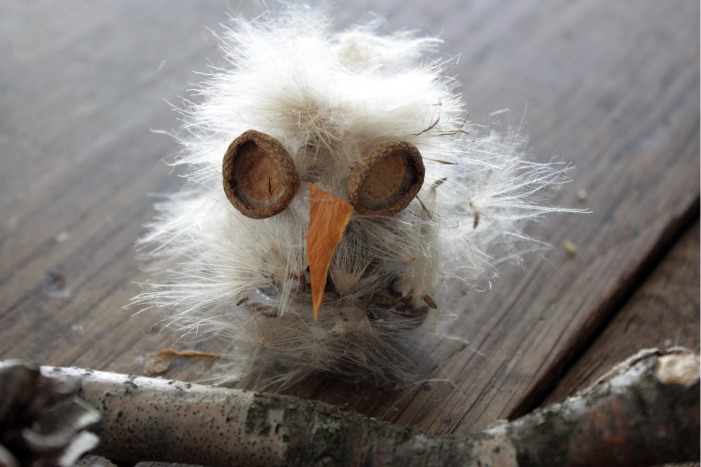
Thistle weevil
(From 5 orange potatoes ETSY site)
 John Bradford
 George Rogers
 George Rogers
 Dee Staley
 Treasure Coast Natives