Acer rubrum (Acer is an old name of unclear origin. Rubrum means red.)
Sapindaceaeae (Aceraceae)
Today John and I achieved an unwitnessed triumph. In the Kiplinger Nature Preserve we crossed a swamp sufficiently forbidding to hide my retirement-plan meth lab. Upon achieving the distant shore we entered a vast yet hidden scrubby flatwoods “island” surrounded by swamp and river, about as remote and inaccessible as it gets in Martin County, Florida. Lost in the swamp an explorer becomes friendly with Red Maples, the obvious species choice for today.
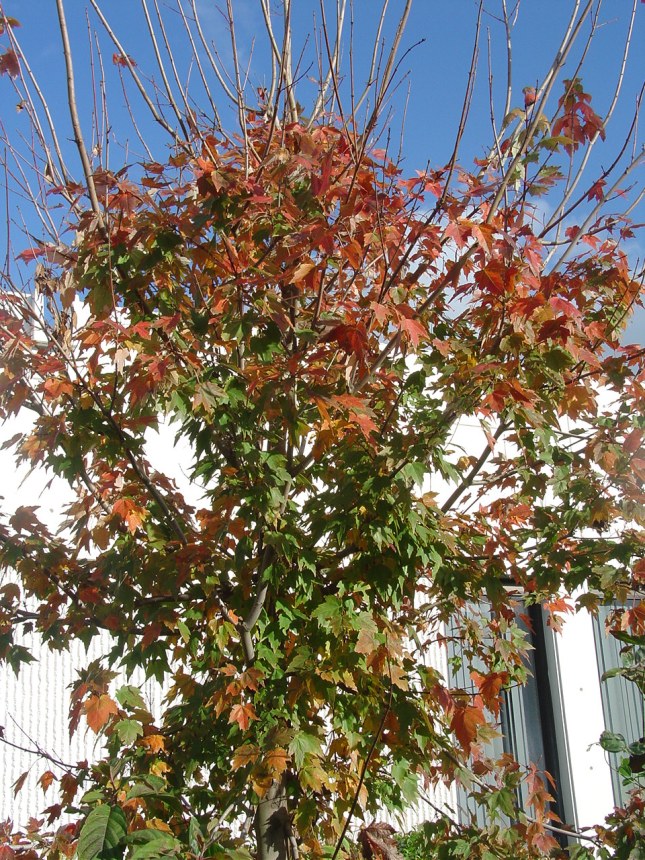
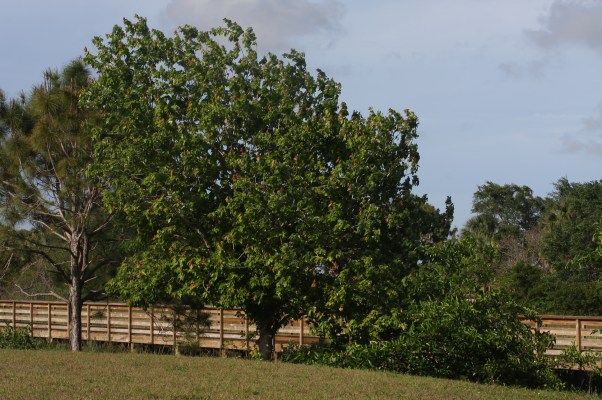
Fall color on the Palm Beach State College campus
Ranging down to us from northern Canada, Red Maple gives Florida a little nostalgic fall color. Right now the Maples are nearly leafless with their mid winter flowers nearly due.
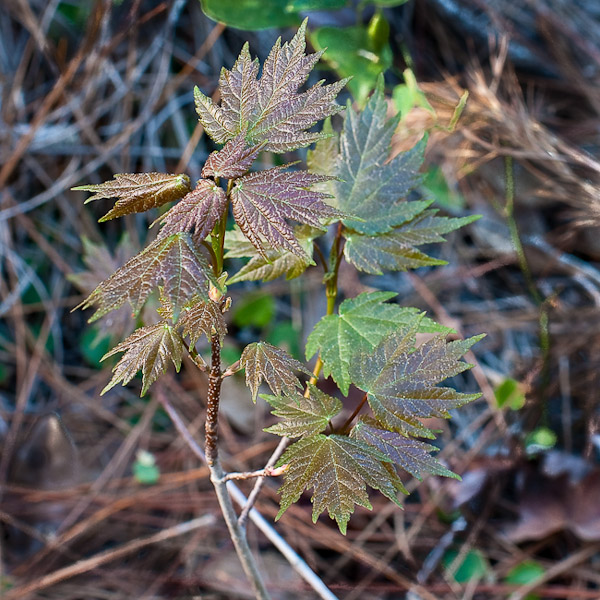
Red Maples are about as adaptable as can be, and grow anywhere from high and dry to soggy. They are predominantly swamp dwellers, especially here in South Florida. Weirdly, the leaves on those from uplands differ from the lowland foliage.
Whenever you get around trees in a suffocating swampy morass the question must arise: how do the roots breathe? Every swamp-tree has its gimmick, and in today’s species the root system is exceptionally widespread, shallow, and responsive to changing conditions. According to one study, most of the woody roots snake 40 feet from the trunk within 10 inches of the surface. From those radiating woody roots millions of clustered non-woody feeder roots rise to 3 inches below the surface able to exchange gases and compete for falling nutrients. If the soil dries, the tree can “suspend operations” and drop leaves until wetness returns, and then produce a new flush of leaves.
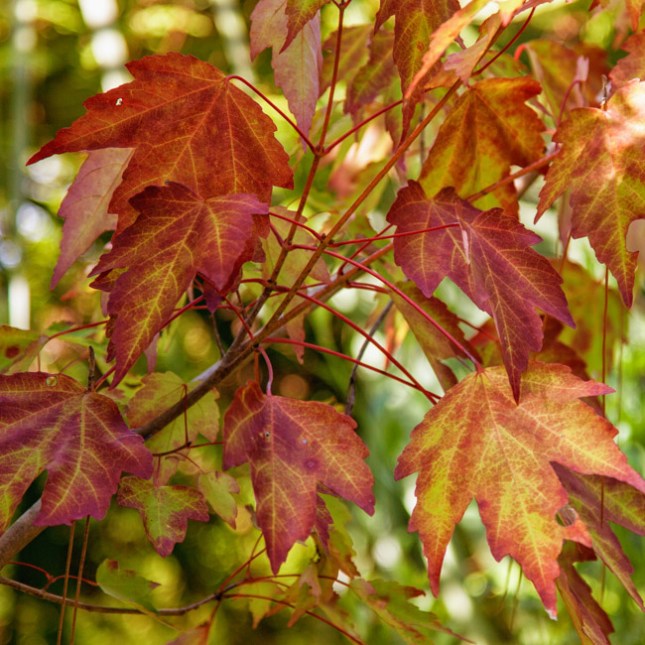
Looks like Michigan in Florida, by John Bradford
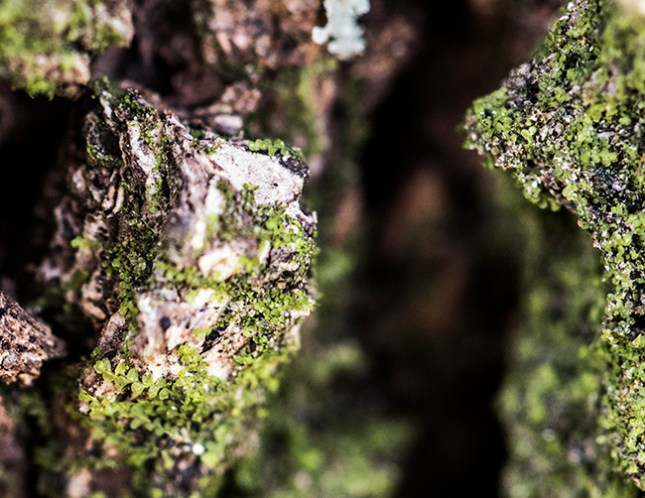
Any tree so shallowly rooted is tippy, and they topple plenty, with interesting consequences. Falling maples leave craters for water-loving swamp life, and the up-tipped muddy root masses becomes decorated by ferns, mosses, liverworts, and pretty green things. The diehard fallen trunk sprouts several new vertical “trunks” turning one fallen tree into a clonal population all in a neat row. The more you knock down the more you get!
By JB
The tree’s flexibility extends to the tiny red flowers. Some individual Red Maples are strictly male. Others are strictly female. Some have a mix of male and female flowers. We’ll let somebody else figure out that pattern.
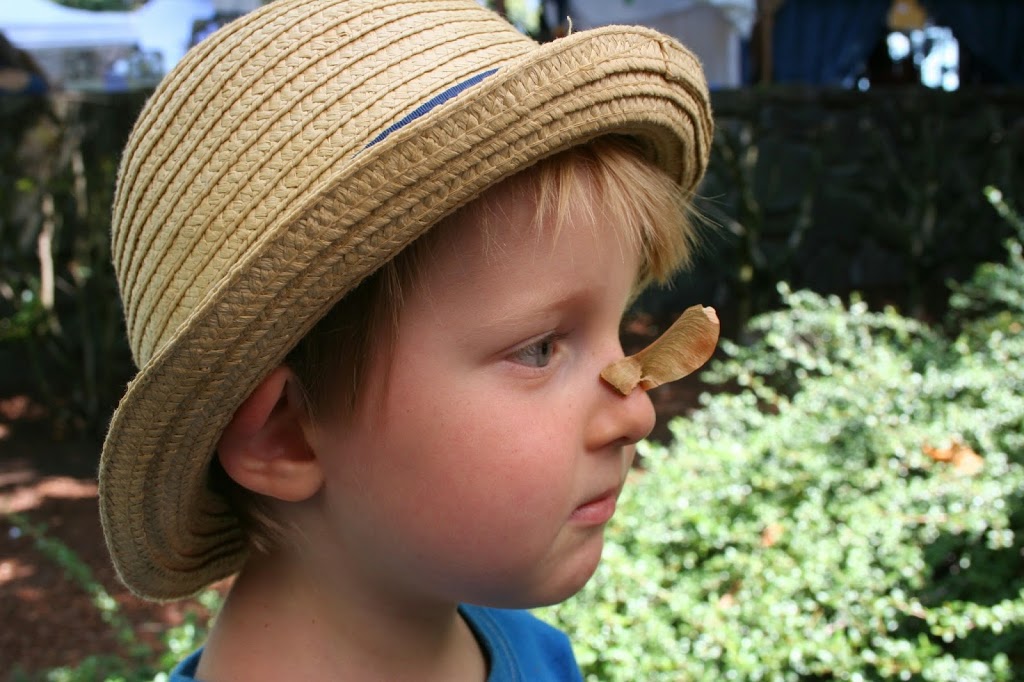
The biwinged whirligig fruits known as samaras flutter in the breeze, and you can accessorize them as a nasal extension. As is true with some other trees, up north the fruits are smaller and heavier than in warm climates. Here is a guess: Where the growing season is short perhaps the tree has to provision each fruit with more baby food to establish robust seedlings before Jack Frost returns.
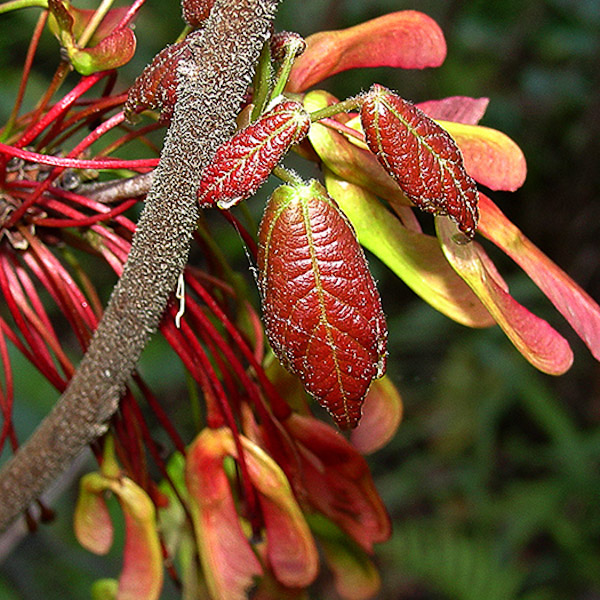
The fruits by JB
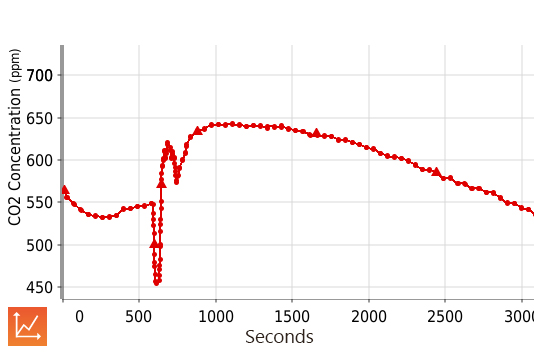
We environmentalists frown on Global Warming. But Red Maples feel otherwise. A study at Duke University showed them to benefit from elevated carbon dioxide. The foliage suffers from a fungal infection. The fungus enters via the tiny pores (stomates) on the leaves. Leaves exposed to elevated carbon dioxide constrict the portals and block fungal incursions. As a degrading environment has bred eastern forest decline, Red Maples have the ecological plasticity to fill the void vacated by oaks, ash, and other besieged trees, and are increasing in prevalence across eastern North America.
By JB
Of course, ecologically speaking that transition is bad, but let’s end sweetly. Red Maples make good maple syrup, so maybe as we destroy the environment we can live on Brazilian Pepper berry bars sweetened with Red Maple syrup. But don’t jump on GoFundMe to launch the Florida syrup industry. Freezing nights are necessary.




 John Bradford
 George Rogers
 George Rogers
 Dee Staley
 Treasure Coast Natives