Today I went a’wandering around a small neglected urban scrubby remnant under power lines along a railroad track. What distinguishes the site is an exceptionally high population of gopher tortoises, perhaps with somebody officially and/or unofficially relocating them there, or concentrating them by habitat reduction. (A weedy ditch seems to keep them away from the lethal tracks.) A place to study tortoise crowding. (I saw a dead youngster.)
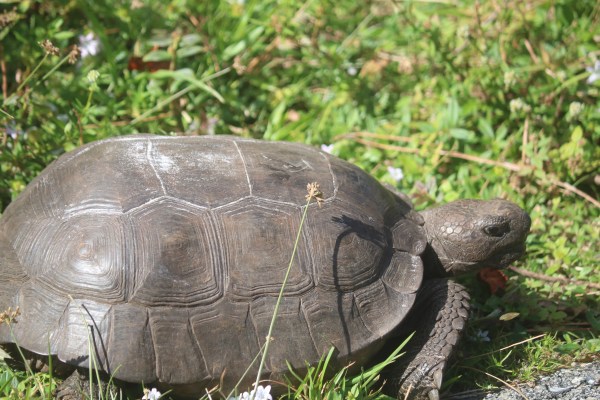
But being a plant blog, let us cross the fence from zoology to botany. . Today’s main plant, as plentiful as the tortoises, could be native having moved northward from the American Tropics, or quite possibly introduced, or both; hard to say, and unimportant for now. What seems interesting is some form of apparent relationship between Yellow-Alder (Turnera ulmifolia) and the Gophers.
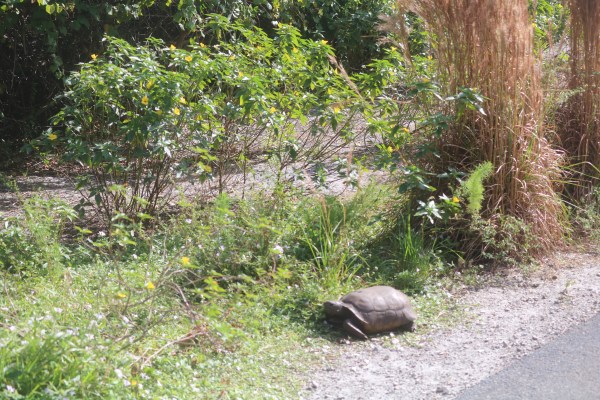
The shrubs are Yellow-Alder.
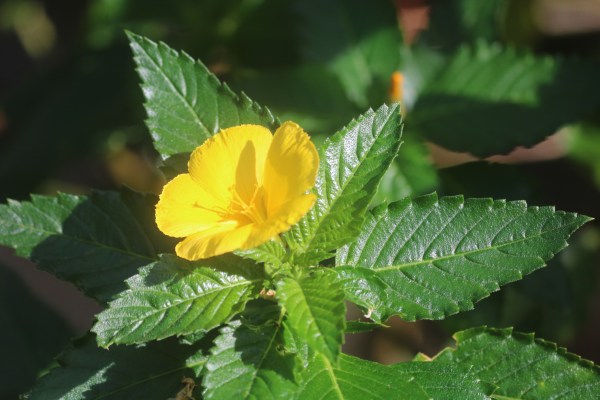
Is the super-abundance of the Yellow-Alder and likewise of the tortoises merely coincidental…mutually preferring the same conditions? Or is there more to it? The Alder and the Tortoises seem to have overlapping microdistributions , the plant along the Tortoises thoroughfares and decorating some of the burrows. So let’s say for the sake of fun that the correspondence is real. Do Tortoises somehow eat Yellow Alder and disperse it through their digestive systems? Possible, but I doubt that’s important. Do the the Tortoises eat everything else but avoid the Alder, allowing it to survive like untouched thistles in a cowpasture? Seems so to a point. But the interesting answer might tie in vaguely with other features of the plant.
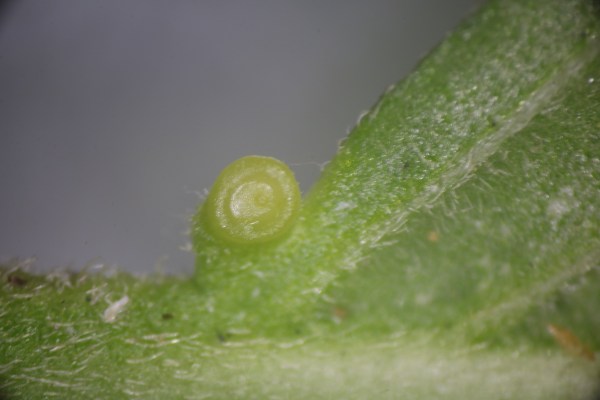
Nectar gland on leaf.
Yellow-Alder leaves have nectar glands. These nectaries attract ants. Although the ants no doubt defend the plant from herbivores, biologist Mariana Cuautle and collaborators in 2004 found the nectar glands to draw ants for a second benefit—to spread the seeds. Each seed has an edible wrapper (called an elaiosome) which ants drag back to their nest, spreading the seeds about.
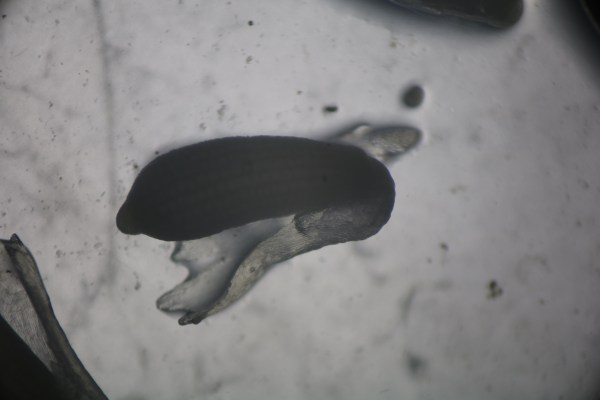
Candy wrapper (elaiosome) on seed.
Funny thing though, today every Yellow-Alder pod I examined had the candy wrappers removed prematurely by some tiny non-ant insect thieves before release from the fruits. Seems the early larva gets the elaiosomes.
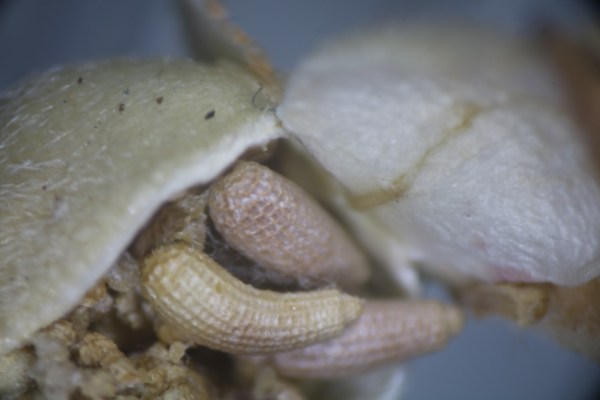
Pitted surfaces on Yellow-Alder seeds in pod. Frass from insect seed-pests on left.
Do gophers behave like enormous lumbering ants and seek Alder nectar and food bodies? Naw, but the seed coats have pitted “waffle” (‘aveolate’) coats. In the plant world in general, botanists tend to regard such coats as helping small seeds cling to mud on birds and other dispersers, you know, such as Tortoise shells. The honeycomb seed coats might be rendered even stickier (or more likely to Gopher-snag) by the starchy elaiosomes. So it seems Tortoises waddling through Yellow-Alder probably spread its seeds along the path of life. Moreover, Gopher Tortoises have a lot of camp followers animals who use their burrows, and those associates too may snag and drag seeds.
The Yellow-Alders tolerate turtle-munching-&-tromping, but most other plants there do not seem to, so smashing and eating competitors may be another way tortoises facilitate the Alders. The limited number of species on the menu poses a problem for the crowded Tortoises. One plant that is abundant where the Tortoises roam is Mexican-Clover, aka “Florida Snow” (Richardia grandiflora) in the Coffee Family. As anyone around here knows, that introduced groundcover grows like gangbusters. The Tortoises eat it. Looks like a case of an aggressive invasive exotic helping to sustain a Threatened native Keystone Species crowded into a urban postage stamp habitat.
Tortoise enjoying Florida-Snow, the movie CLICK
 John Bradford
 George Rogers
 George Rogers
 Dee Staley
 Treasure Coast Natives
Greg Braun
November 17, 2024 at 10:40 pm
Thanks George. Likely also a couple of add’l factors; dry sandy soils, lack of enclosed canopy…
Laure
November 26, 2024 at 8:02 am
I always plant Yellow Elder as the everyday flower color can’t be beat. Thanks for sharing such interesting info.
😊