Okenia hypogaea
Nyctaginaceae, the 4 o’clock family
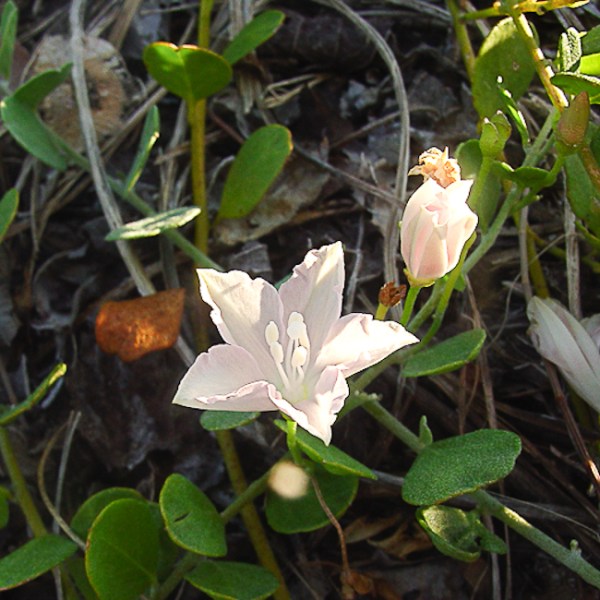
While beachcombing a few days ago for flowering nickerbean (found a couple), a stunning blossom surprised me directly on the beach sand glowing purple and yellow between my flip-flops: Beach-Peanut. Misnomer alert: not a peanut. What this species has in common with a peanut is it buries its fruit, pretty dang deep, generally between 4 inches and a foot. Then it somehow manages the miracle of sprouting way down there and penetrating to the surface, or the buried seed may wash away during beach erosion to find itself under shifting sands on a different beach. Perhaps Nicole relocated a few. As the “peanut” is pushed down through the abrasive sand, it forms a thick protective “helmet” on its downward end.
Look at this crazy plant burying its fruit!
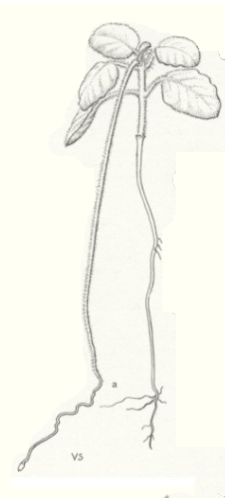
The buried “nut” is in the lower left.
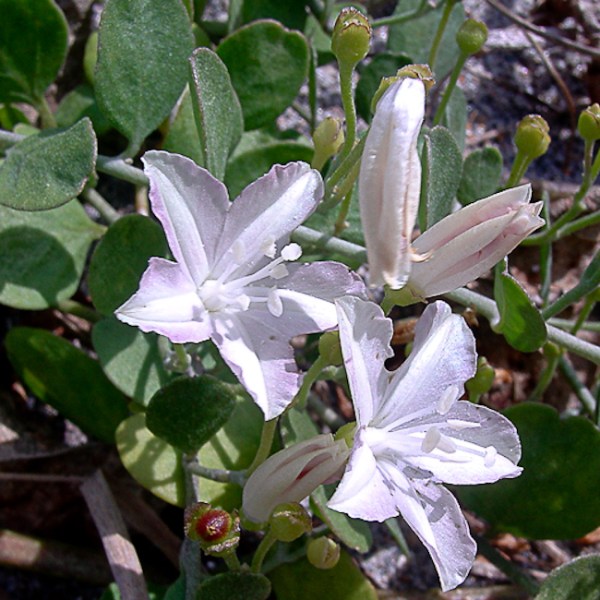
The species is rare in Florida, on a short stretch of the coastal East Coast, and extends southward onto tropical beaches beyond the Sunshine State. You don’t see it often, and never would if not for that eye-popping magenta flower. Oddly those purple petals are not petals, but rather fancy sepals.
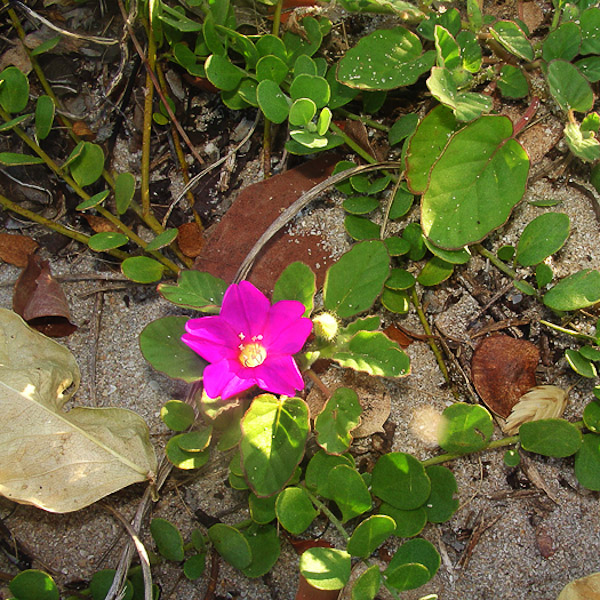
By John Bradford
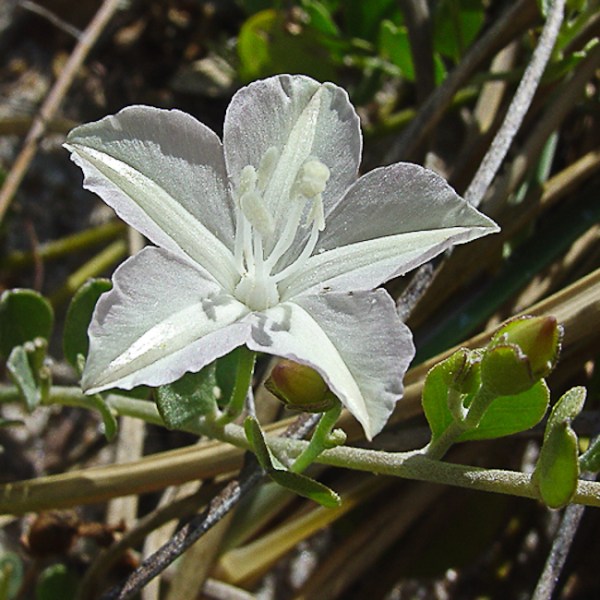
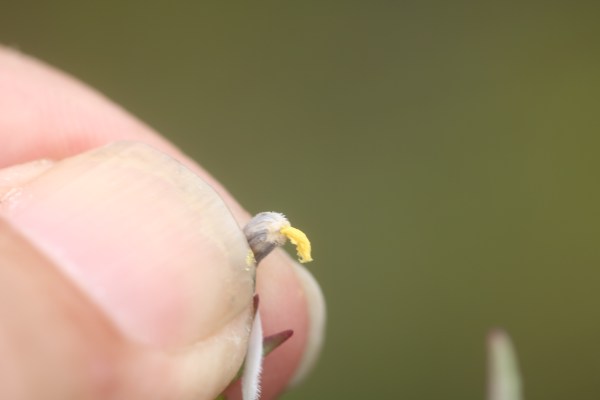
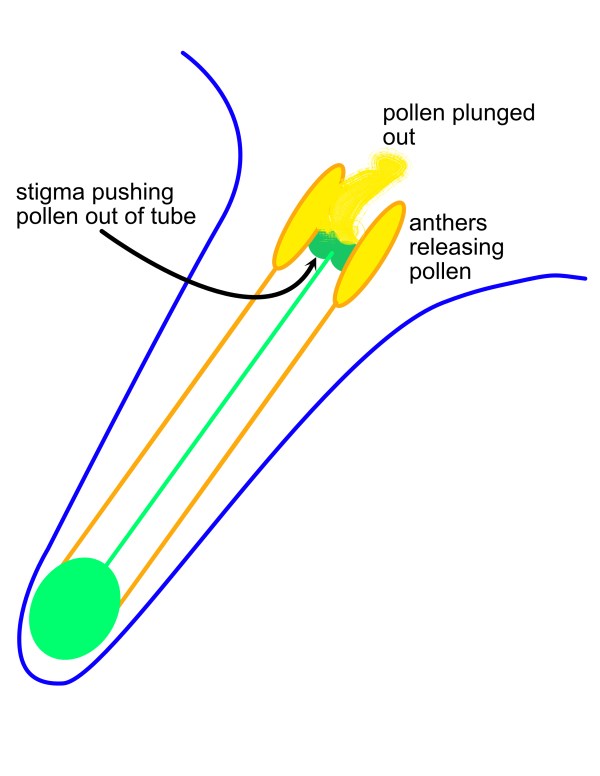
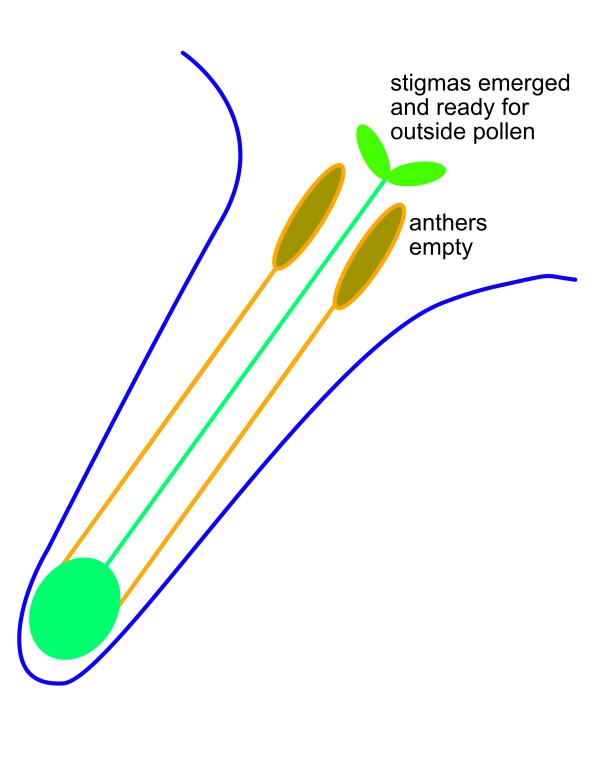
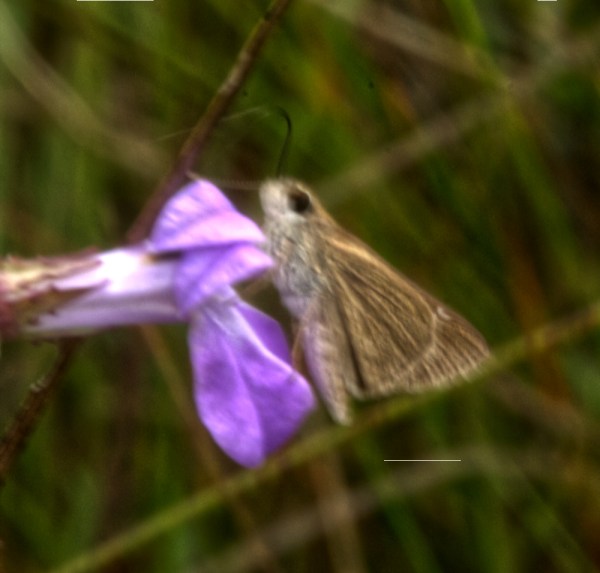
I wonder what pollinator visits it. Maybe nobody, because the tiny bit of study devoted to the biology of this species, in the 1970s, found two types of flowers: 1. The showy ones seem to be strictly functionally male, oddly having no recipient for their pollen because there seem to be no pollen-receptive female (or mixed sex) flowers. (They may have a stigma but it does not work.) 2. The second type of flower never fully opens. Instead, it self-pollinates while remaining shuttered and buries the baby.
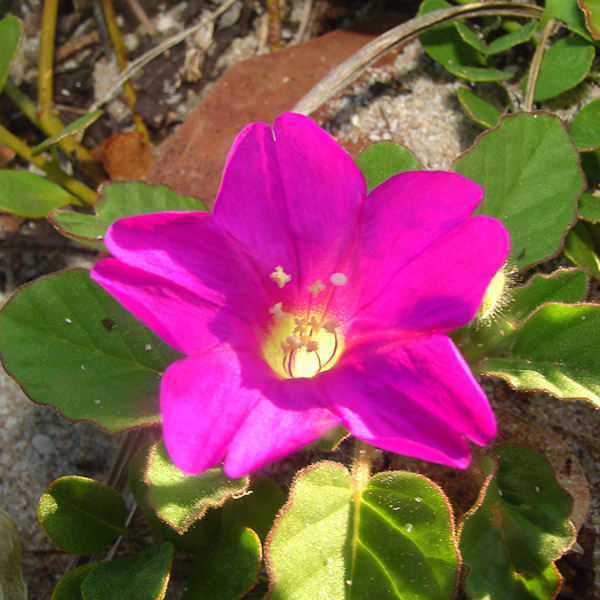
This flower is functionally male-only. By JB.
So why make those big showy pointless male blossoms? I don’t know. Somewhere along the line something must have changed. Perhaps pollen-receptive flowers do (or once did) exist in the less-explored parts of the range on some remote Gilligan’s Island beyond Florida. If so, the seeds most likely to go forth and successfully colonize a new beach would be those that mature into self-pollinated individuals with assured solo reproduction. No partner from a second seed required. So then maybe Florida is home to a line of mutated self-pollinated diaspora escaped from a proper but undiscovered male-female population. As the last botanist who studied Beach-Peanut said, “this interesting genus requires further study.” Ya think?

 John Bradford
 George Rogers
 George Rogers
 Dee Staley

